
Film Tourism and the Price of the Perfect Shot
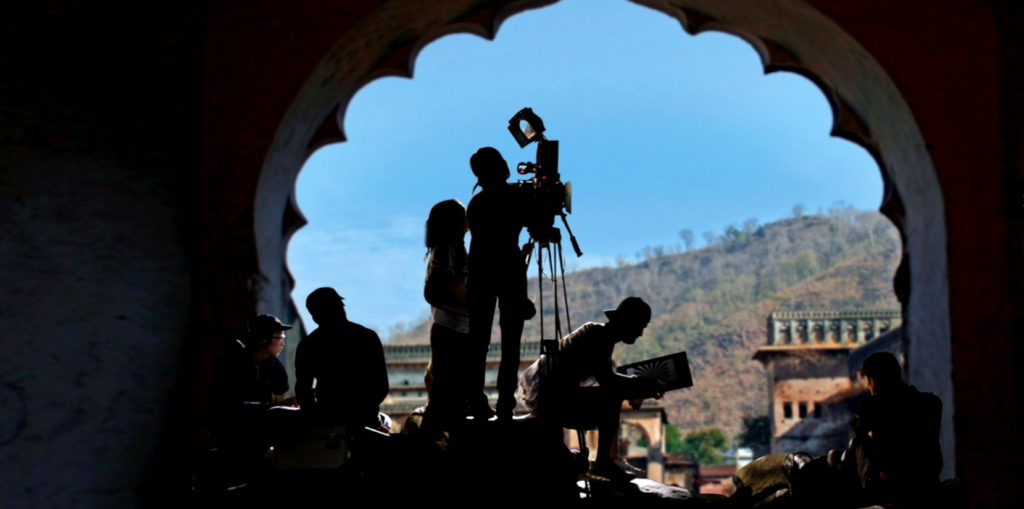
Film tourism is a landscape seen on screen or a place linked to a series which turn an ordinary destination into something memorable. That raises questions about authenticity, pressure on locations, and environmental impact.
Film tourism in numbers
The numbers suggest the trend is only getting bigger. According to Future Market Insights, the global film tourism sector is expected to grow from USD 71.6 billion in 2026 to USD 157.5 billion by 2036. That growth reflects a major shift in how destinations are promoted. Films and series no longer simply entertain. They now act as travel marketing on a global scale.
Right now film tourism is one of the most effective tools to promote a destination.
A screen image does not just sell a location. It sells emotion, memory, and atmosphere. People do not only want to visit a place. They want to step inside a world they already know.
Streaming platforms are changing travel
Streaming platforms have made film tourism more accessible than ever. Series and films are no longer occasional inspirations, they are constant. New locations appear on screens every week, and audiences respond almost immediately.This changes how travel decisions are made. Destinations are no longer chosen only for their history or culture, but also for their visibility on screen.
I saw it on Netflix and added it to my list the same day…, It didn’t matter where it was exactly. I just wanted to see it in real life.
Environmental impact vs personal experience
From an ecological perspective, this pattern is becoming a serious challenge for local authorities. Reports on Sustainable Travel indicate that film tourists are more likely to cause soil erosion compared to traditional hikers. The temporary presence of one person seems harmless, but the cumulative effect of thousands is permanent. Interestingly, many people feel a conflict between their environmental values and their actions. They recognise the beauty of the place, yet the desire for a social media trophy often wins.
You see the grass is stepped on and you feel a bit guilty, but then you think: I’m only here once, I won’t change much.
The reality of overcrowding
Another major issue is the expectation gap. Films use editing to create an atmosphere of isolation. When tourists arrive and find a queue, the emotional value drops. Similar issues which showing how social media and AI change traveling was discussed in previous article. This overcrowding also affects how tourists interact. Instead of appreciation, there is competition for space in front of the camera.
It didn’t feel like the film at all…. The magic disappears when you have to wait twenty minutes just to stand on a specific rock.
A shift toward responsible tourism
Despite these trends, there is a visible shift in how visitors view the future. Many of them now agree that without strict management, film tourism will ruin the places it celebrates. There is a growing acceptance of entry fees or booking systems, similar to trends seen in modern social changes.
I’d rather pay for a ticket if it means the place stays beautiful.
If we don’t protect it now, there will be nothing left for the next fans to see.
