
Worth Every Mile: How semester abroad changes students?
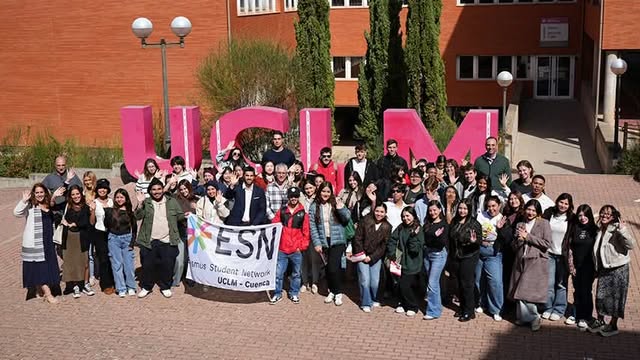
As the academic year draws to an end, the primary focus for students at the UCLM shifts toward completing projects and preparing for final examinations. In this regard, Erasmus participants are no different from their local peers. However, as the exchange period concludes, a profound moment of reflection occurs among those who gathered from across the globe in the historic city of Cuenca. This raises an essential question: what did these individuals gain from the experience, and was it truly worth it?
Language leap
Relocating across the world is a formidable challenge. Consequently, it is vital to evaluate the insights gained during these memorable five months. Regarding the academic environment in Spain, a significant percentage of surveyed participants noted that studying in a foreign language was both a rigorous challenge and a rewarding lesson.
While many improved their existing Spanish, even those who arrived with no prior knowledge acquired basic proficiency. Mexican students, who represent a large portion of the annual intake, particularly valued interacting with Spaniards to navigate the nuances of different dialects. Beyond linguistics, many participants noted that the Spanish system offered a more practical approach compared to the theoretical frameworks of their home countries. Noemi, a student from Italy, observed:
«The approach here is far more vocational. In addition to theory, there is a strong focus on hands-on activities, group work, and concrete projects. This allowed me to develop tangible technical skills.»
Connections for life
The academic value of Erasmus is significant, yet one could argue it is secondary to the conections thet gain thanks to the program. This exchange allows young adults to engage with diverse cultures and forge lifelong friendships that transcend geographical boundaries. Participants are exposed to new languages, cuisines, and perspectives, often traveling to places they previously only imagined. This cultural synergy benefits erasmus students and the local Spaniards, fostering a mutual understanding that enriches the entire community.
Real-world ready
Furthermore, many participants reported tremendous personal growth. Learning to navigate life independently in a foreign country fosters self-reliance and adaptability. By stepping out of their comfort zones, students improved their communication skills and broadened their horizons.
Adopting a new lifestyle often leads to ashift in mindset, with many reporting increased empathy and global awareness. Between the ages of 19 and 25, these formative experiences help individuals explore their identities andseek answers about their future paths. Tibor Navracsics, the former European Commissioner for Education, Culture, Youth and Sport, famously stated:
“Erasmus+ graduates are more willing to take on new challenges and have better career prospects.”
A begining of professional success
Data supports this claim, showing that the program provides a clearer professional vision. For 72% of participants, their Erasmus background was instrumental in securing their first job. Employers increasingly prioritize candidates with international experience, valuing theirproblem-solving capabilities, global outlook, and ability to collaborate in multicultural teams. Consequently, most graduates recommend the program, noting its profound impact on both their current lives and future careers.
Unforgettable imprint
Though leaving behind family and familiar surroundings for five months is one of the most difficult decisions a young adult can make, it is rare to find a participant who regrets the journey. While it is bittersweet that these students will soon return to their home countries, the skills and memories acquired in Cuenca will remain with them indefinitely. Despite its modest size, Cuenca has served as a global crossroads, leaving a lasting mark on all who passed through its gates.
