
Likes, Filters and Comparison: How Social Media Is Shaping Youth Confidence
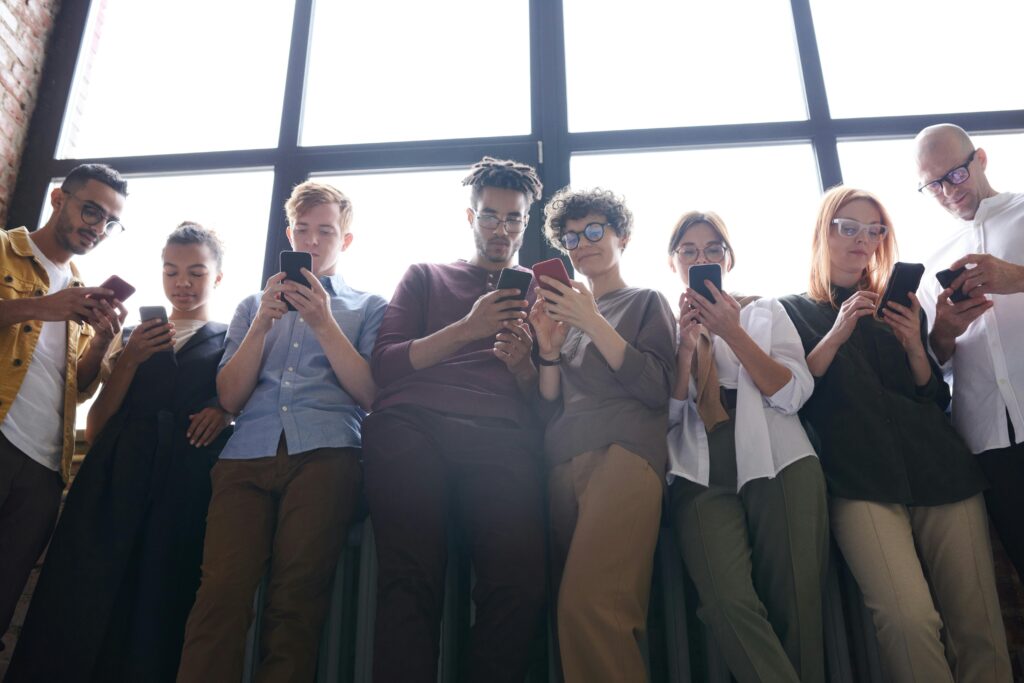
Social media has become one of the biggest influences on how young people see themselves, with many saying that platforms such as Instagram, TikTok, Snapchat, and X affect their confidence, appearance, and sense of self-worth.
A student-led survey of 30 young people aged 16 to 24 found that social media plays a major role in how young people judge themselves and compare their lives with others. The research showed that social media is not viewed as completely harmful or completely positive. Instead, many young people described it as a place that can entertain and connect them, while also creating pressure to look better, seem happier, and appear more successful.
According to the survey, 22 out of 30 respondents, or 73%, said social media affects their confidence at least sometimes. Meanwhile, 20 respondents, or 67%, said they compare their appearance to people they see online, and 18 respondents, or 60%, said likes, comments, views, or followers can affect how confident they feel.
These results suggest that the issue is not only how much time young people spend online. The bigger issue is what they see, how they compare themselves, and how much importance they give to online reactions.
One participant said:
“I know people only post their best moments, but I still compare myself. It makes me feel like everyone is doing better than me.”
Another respondent said the pressure does not only come from influencers:
“It is not even celebrities most of the time. It is people my age. If they look better, go out more, or seem happier, I start questioning myself.”
Survey Data Shows Strong Links Between Social Media and Confidence
The survey showed that comparison, filters, and online feedback were the most common factors affecting self-image.
| Social media affects their confidence at least sometimes | 22 out of 30 | 73% |
| Compare their appearance to people online | 20 out of 30 | 67% |
| Likes, comments, views, or followers affect confidence | 18 out of 30 | 60% |
| Filters and edited photos create unrealistic beauty standards | 23 out of 30 | 77% |
| Social media sometimes makes them feel worse about their appearance | 15 out of 30 | 50% |
| Social media can make them feel inspired or supported | 13 out of 30 | 43% |
| Have taken a break from social media because of mood or confidence | 9 out of 30 | 30% |
The strongest result was about filters and edited photos. 77% of respondents said edited images create unrealistic beauty standards. This suggests that many young people are aware that online images are not always realistic, but they are still affected by them.
One participant said:
“Filters make you look better, but then you get used to that version of yourself. After that, the normal camera feels worse.”
Another said:
“Sometimes I do not even want to post unless the lighting is perfect or I have edited the photo.”
These comments show how edited images can create pressure. Young people may use filters to feel more confident, but over time, filtered photos can make natural appearance feel less acceptable.
Likes and Comments Can Become a Measure of Self-Worth
The survey also found that 60% of respondents said likes, comments, views, or followers can affect their confidence. For some young people, online feedback gives a short-term confidence boost. However, low engagement can also lead to insecurity.
One participant explained:
“If I post something and it gets fewer likes than usual, I start thinking something is wrong with the picture or with me.”
This shows how social media can turn confidence into something measured by numbers. Likes and views may seem small, but for young people, they can feel like public approval or rejection.
Several respondents said they check how their posts perform soon after uploading them. This suggests that social media feedback can become a habit. Instead of simply posting and moving on, users may keep checking notifications to see how others are reacting.
Comparison Emerges as the Biggest Pressure
Comparison appeared to be one of the strongest pressures linked to social media use among young people. In the survey, 67% of respondents said they compare their appearance to people they see online, including influencers, celebrities, friends, classmates and strangers.
But the pressure is not limited to physical appearance. Respondents also said they compare their clothes, body shape, lifestyle, popularity, relationships and success with what they see on social media. This suggests that platforms such as TikTok, Instagram and Snapchat can influence not only body image, but also how young people judge their social lives and future.
Social media can make other people’s lives appear more successful, exciting or attractive than they really are. For young people who are still developing their identity and confidence, this can create a constant feeling of pressure and make them feel as if they are falling behind.
Social Media Is Not Always Negative
Despite these concerns, the survey also showed that social media can have positive effects. 13 out of 30 respondents, or 43%, said social media can make them feel inspired, supported or more confident.
Some young people said they follow accounts that help them feel better, including body-positive pages, mental health accounts, fashion inspiration, gym motivation, study advice, comedy videos and creative communities. For these respondents, social media was not only a source of pressure, but also a place for motivation and connection.
This shows that the impact of social media depends heavily on the type of content young people consume. A feed full of edited photos, luxury lifestyles and unrealistic beauty standards may damage confidence. However, a feed based on humour, honesty, support and realistic content can help young people feel more connected and understood.
Young People Are Rethinking Their Online Habits
The survey also found that some young people are becoming more aware of how social media affects their mood. 9 out of 30 respondents, or 30%, said they had taken a break from social media because of its effect on their confidence or mental wellbeing.
Others said they had unfollowed certain accounts, reduced how often they post, or tried to spend less time scrolling. These changes suggest that young people are not passive users. Many are actively trying to control their online environment when it starts to affect them negatively.
This highlights another important issue: social media is not only something young people watch. It is also a place where they perform. Many users carefully choose photos, edit posts, think about captions and monitor reactions. This can make online life feel less like simple communication and more like public judgment.
What the Survey Shows About Social Media and Self-Image
The survey and research were based on 30 young people aged 16 to 24, so the findings should not be treated as representative of all young people. However, the responses still show a clear pattern among the group studied.
Most participants said social media affects confidence, comparison and self-image in some way. The strongest concerns were linked to appearance pressure, edited images, online popularity and the emotional impact of likes, comments, views and followers.
At the same time, the research also showed that young people do not see social media as completely harmful. Many said it can provide entertainment, support, motivation and connection when used in a healthier way.
This makes the issue more complex than simply saying social media is good or bad. The real question is what kind of content young people are exposed to, how often they compare themselves, and how much power they give to online feedback.
Conclusion
The survey suggests that social media and self-image are closely connected among young people aged 16 to 24. Most respondents said social media affects their confidence at least sometimes, while many said they compare themselves to people they see online.
The biggest risks appear to come from comparison, filters, edited images and dependence on likes, comments, views and followers. These features can make self-worth feel measurable and public.
However, the findings also show that social media can have positive effects when young people follow realistic, supportive and inspiring content. For some, social media can provide motivation, creativity, humour and a sense of belonging.
The main issue is not simply whether young people use social media. It is how they use it, what they see, and how much they allow online feedback to shape their confidence.
For young people, social media can either support confidence or damage it. The difference often depends on whether it becomes a space for connection or a place where self-worth is constantly judged.
