
Why Space Changes Your Brain?
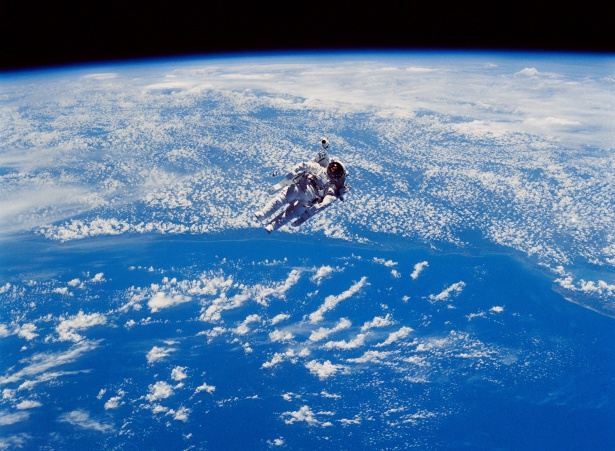
Despite thousands of studies conducted, space still surprises. Every now and then, new evidence is published showing how enormous an impact it has on the human organism. This time, scientists from t Washington University School of Medicine have proven that long-term stays in outer space physically change the structure of the brain.
The Physical Shift
Scientists noticed that the brain physically moves within the skull upwards and downwards. Furthermore, rotation of the brain along the transverse axis was observed. In addition to this, non-linear deformations occurred, and the sensory and motor regions show the greatest upward shifts. But what does this mean in practice?
The High Price of Zero Gravity
Such brain changes directly affect the performance of the body. The most significant change is problems with balance after returning to Earth, which lasted the longest among those astronauts staying in outer space for a year.
A significant effect of staying outside Earth was also the redistribution of cerebrospinal fluid, which changes the pressure in the skull. This is very dangerous, as it can lead to permanent neurological damage.
The study was conducted on 26 astronauts who stayed in space for periods ranging from 2 weeks to a year. And in line with expectations, it was noticed that the changes have more serious consequences for the astronauts staying in space the longest.
They were examined 6 months after the mission, at which point results indicated that most changes, had reversed, especially the up-down displacement. However, some deformations persisted even after this time.
Protecting the astronaut
These findings are of key importance for planning future interplanetary travel. It is necessary to precisely determine the safe duration of stay in space to minimize the damage to the crew’s health. New data requires the development of more effective protection strategies, such as specialized exercises or artificial gravity systems, which will prevent permanent neurological changes during multi-year missions.
A Risk Too Great?
Ultimately, these results prove that the human brain is not adapted to long-term lack of gravity. Physical displacements of structures inside the skull force space agencies to develop new methods of neurological protection. Without effective strategies to prevent these deformations, multi-year interplanetary missions may prove to be too great a risk for the health of future explorers.
