
Student–Professor Relations in Turkey and Spain: Different Styles, Similar Warmth
The Stereotype Does Not Fully Reflect Reality
Before coming to Spain, I expected a huge cultural difference between universities in Turkey and Spain. The stereotype was obvious: Turkish universities would be formal and distant, while Spanish universities would feel open and relaxed.
After experiencing both, I honestly think this comparison is exaggerated.
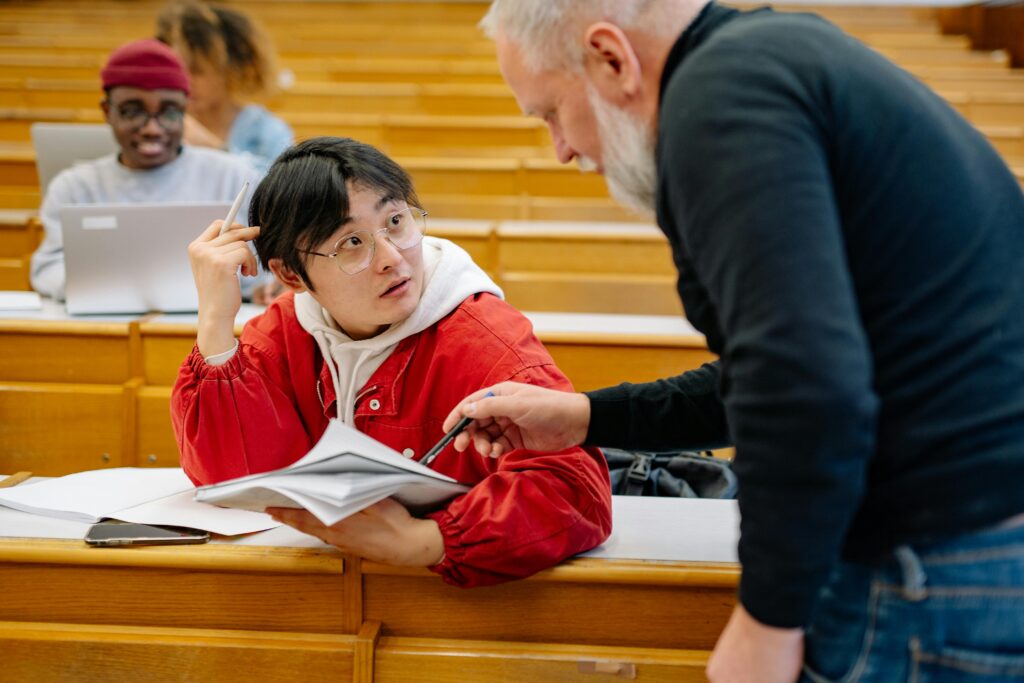
At my university in Turkey, communication between students and professors is already very comfortable. Many professors are approachable, easy to talk to and genuinely supportive. Students can ask questions freely, discuss career plans or simply have normal conversations after class. The atmosphere does not feel cold or authoritarian at all.
At the same time, my experience in Spain has also been positive. Professors are accessible, students participate actively and communication feels natural. During a problem we experienced here, even the dean directly met with students to discuss the issue. That kind of accessibility creates trust and makes students feel taken seriously. In my opinion, this is one of the healthiest aspects of university culture.
So after seeing both systems closely, I do not think the real story is “strict Turkey versus relaxed Spain.” Both environments can actually build strong human relationships between students and academics.
Different Communication Styles, Not Opposite Worlds
The real difference is more about communication style and classroom habits.
In Spain, classroom interaction often feels more spontaneous. Students interrupt lectures more comfortably, debate ideas openly and participate without overthinking every sentence. Discussions can become emotional, loud or highly opinionated, especially in communication and social science courses.
In Turkey, students may sometimes speak more carefully or wait longer before participating, but this does not automatically mean the relationship with professors is distant. In many departments, especially among younger academics, professors actively encourage discussion and maintain close contact with students.
Honestly, I think social media and generational change transformed universities in both countries. Professors today are generally more reachable than before. Students can send emails easily, ask for feedback quickly and communicate outside formal office hours. The old image of the unreachable professor sitting behind a wall of hierarchy feels increasingly outdated.

The Education System Shapes Student Behavior
In my opinion, one major difference comes from the education systems themselves.
Turkey’s exam-centered structure teaches students to be careful and accuracy-oriented from a young age. Students become used to searching for the “correct answer.” This can sometimes make classrooms feel more controlled or academically disciplined.
Spain seems to place more emphasis on discussion and participation, especially during university education. Students appear more comfortable expressing incomplete ideas or debating openly during class.
Personally, I think both systems have strengths. Turkish universities often provide strong theoretical structure and seriousness, while Spanish classrooms can feel more socially dynamic and discussion-oriented. The ideal model probably combines both approaches: discipline without fear and freedom without chaos.
Universities Should Feel Human
One thing I appreciated in both countries is when professors treat students like real people rather than just numbers or exam results.
Moments like a dean directly speaking with students during a problem may seem small, but they actually shape how students perceive university life. They create a feeling that the institution listens and cares.
I think this matters especially today, when many students already struggle with stress, uncertainty and pressure about the future. A university should not only provide academic knowledge. It should also create an environment where students feel respected enough to speak openly and seriously.
Beyond National Comparisons
After experiencing both Turkey and Spain, I think the debate is less about which country is “better” and more about how universities adapt to modern academic culture.
Good universities are not defined only by prestige, rankings or buildings. They are defined by whether students feel comfortable learning, questioning and communicating.
And honestly, when professors, students and even administrators can sit down and talk directly during a problem, that already says something positive about the academic culture itself.
