
Price Tags on Education: How much it costs to study in Poland and Spain?

I was studying in Spain for one semester and this experience was significantly different from studying in Poland. Even though I’m only in my second year, I’ve already had a taste of student life. It made the contrast between the academic realities in Silesia and Cuenca even more striking. As my time at UCLM is coming to an end now it’s a good time to compare all the costs of studying in comparison to determine the cost of studying at both universities.
Is education priceless?
My first surprise upon arriving at UCLM was the fact that this university—like all others in Spain—charges tuition. Even though it is a public institution and the costs are lower than at private universities, local students have told me that these fees are still a significant burden. For some, their parents have had to save money for an entire lifetime just to afford to send their child to university.
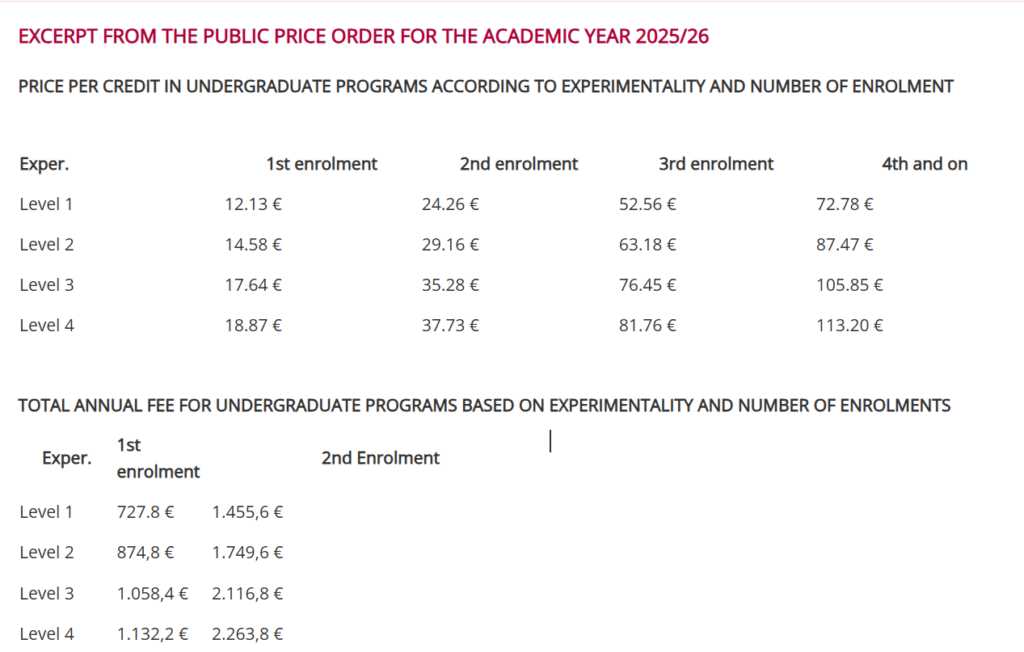
According to official data from the University of Castilla-La Mancha, annual tuition fees range from €727.80 to as much as €2,263.80. It all depends on the field of study, the level of laboratory usage and the number of credits registered. In addition to this, there are administrative fees, such as €88.99 for opening an academic record for new undergraduate students and €9.34 for ID duplication insurance. Together, these extra charges amount to an additional €181.50 that students must cover.
It is worth highlighting that I did not have to pay any of these costs thanks to the Erasmus+ program. This makes the figures even more shocking to me, as—compared to Spain—full-time public education in Poland is completely free. The only standard cost there is an application fee of approximately €15. The exceptions are private universities and part-time weekend programs, though even their costs tend to be lower than studying in Spain.
Housing and Transport Realities
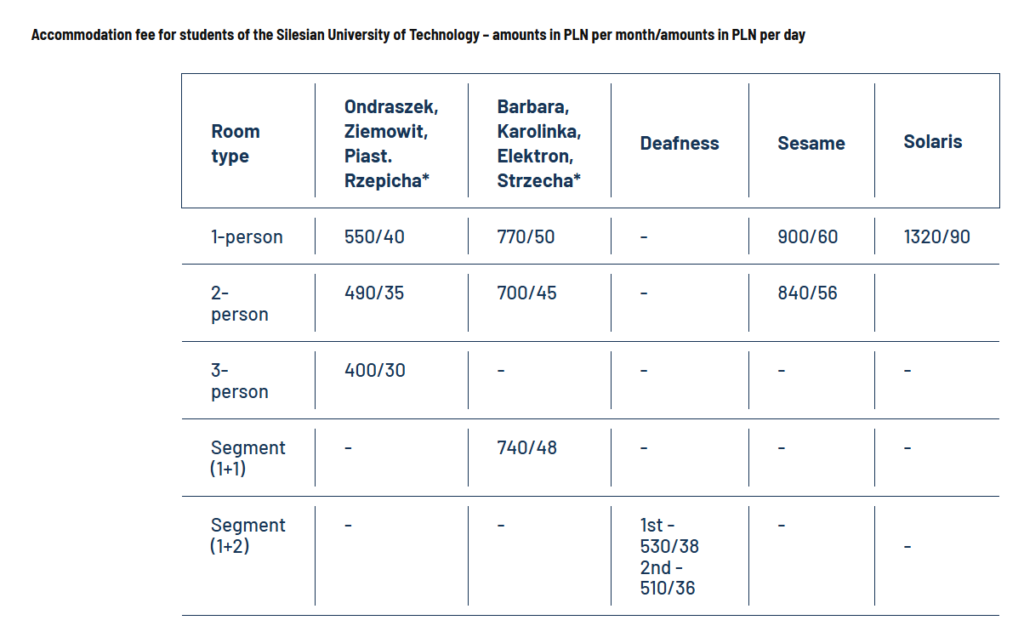
Another major difference lies in housing. In both countries, student dormitories are naturally the most advantageous option, offering both prime locations and affordable prices. At the Juan Giménez Aguilar residence in Cuenca, where I am staying, the monthly fee is €210.47, plus an electricity surcharge shared among the flatmates. In my home city, the cost for a similar double room ranges from €110 to €200, so the prices are not vastly different.
Back home I live and study in a much larger, densely populated, and highly urbanized region. Because of this, the vast majority of University of Silesia students—myself included—still have the option to live in their family homes. The public transport system is efficient and distances between cities are small. As a result, many people are able to save a significant portion of their money that would otherwise be spent on rent.
In the Castilla-La Mancha region, such an alternative is difficult to implement. There are vast distances between cities because the region is less affluent and more sparsely populated. Although public transport exists and allows for travel in a reasonable amount of time, the ticket costs are significantly higher, making daily commuting simply impractical.
To put it in perspective, amonthly transport pass in my home region costs about €20, which is equivalent to just two discounted bus tickets here. Furthermore, buses and trains stop running after 11:00 PM and only resume at 7:00 AM, making it impossible to return home during the night. These differences make students live in Cuenca, whether they want to or not.
Daily Bread and costs of food
The final cost—though highly individual and difficult to quantify—is food. Since everyone has different dietary habits and the number of meals varies from person to person, determining an exact figure is nearly impossible. There is also a significant difference between those who cook for themselves, those who share meals with others, and those who eat at the university canteen.
On average, my food expenses in Cuenca amounted to approximately €120–€150 per month. For comparison, full board in the dormitories costs around €200 monthly. Meanwhile, an average student in Poland has to spend between €160 and €220 on food, as the cost of groceries is higher there.
A Safety Net for Students
However, we must not forget that both the university and the Ministry of Education offer scholarships and financial aid to help cover some of the major expenses. At my home university, the amount of social aid depends on income, with a threshold designed to support students in difficult financial situations.
This benefit can range from €203 to €430 per month. Additionally, there is a merit-based scholarship for top academic performance, which can reach up to €282 per month and is awarded to the top 6% of students.
Scholarship costs
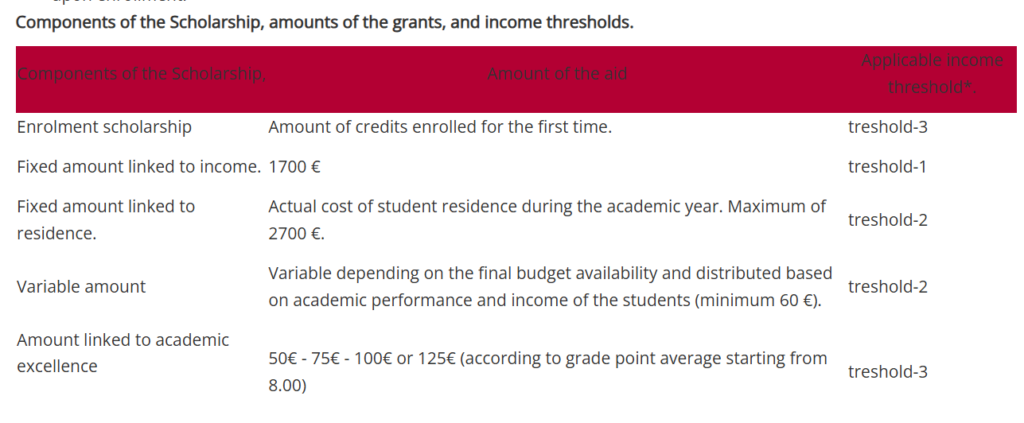
As for UCLM, there are even more scholarship options available. These range from tuition grants, where the university covers the cost of first-time enrollment credits, to housing allowances and social aid similar to the income-based support in Poland.
There is also a merit scholarship here, but it is granted only to those who exceed a certain grade point average (8.00 and above), and it ranges from €50 to €125.I am not in a position to determine which scholarship system is truly more effective or provides greater support, as I do not personally utilize either of them.
I would like to emphasize that, both here and in my home country, providing such support to students is crucial for societal development and for eliminating educational disparities caused by income inequality.
Beyond the Price Tag
Studying abroad has been an incredibly valuable experience for me. Living in Cuenca has taught me to appreciate certain aspects of my home country that I previously took for granted. Such as free education and the convenient transport system that allowed me to live at home. My time at UCLM also opened my eyes to the ongoing issue of educational inequality. It persists even in our developed world and remains a difficult challenge to solve.
It is impossible to say in which country a student is ‘better off. There are countless factors I haven’t even had the chance to mention that would be necessary for such a judgment. It is simply different. Undoubtedly, university remains a vital chapter in a young person’s life, and living independently certainly allows one to take thosefirst steps toward autonomy and adulthood.
While the costs of studying are undeniably a burden everywhere—whether in Poland or Spain—I hope this is only the beginning of changes that will help ensure access to higher education for everyone who desires it, regardless of their income.
