
Ancient cave bacteria resistant to modern antibiotics raise new concerns for medicine and environment

Ancient bacteria found in a Romanian ice cave show resistance to modern antibiotics despite being isolated for millennia. This discovery proves that drug-resistant traits can develop naturally without human influence. Scientists believe these findings could fundamentally change our understanding of microbial evolution and future health risks.
Modern Drug Resistance Genes
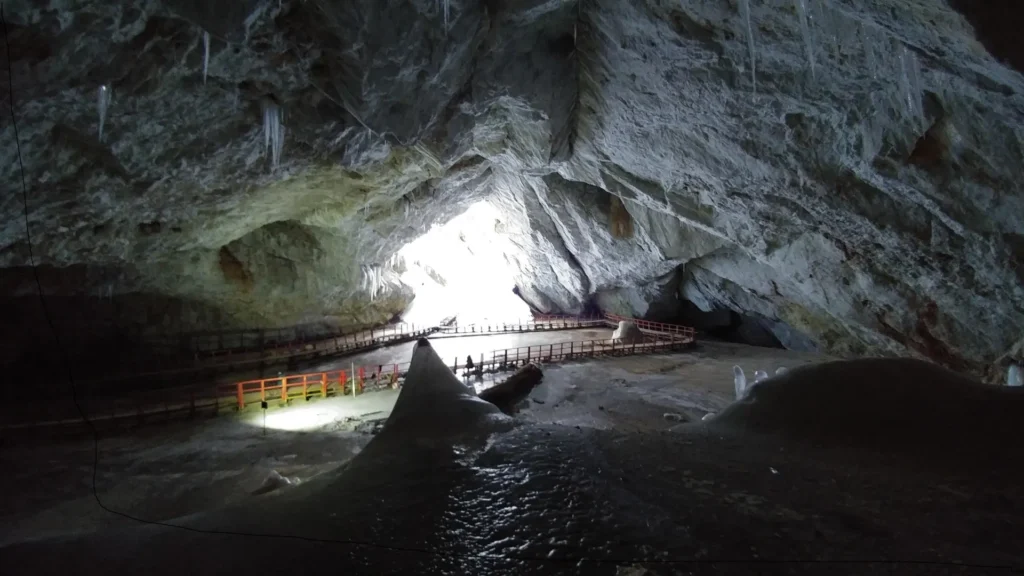
The bacteria were retrieved from the Scarisoara Ice Cave in Romania, where layers of ice have preserved microorganisms for millennia. According to research published in Frontiers in Microbiology, scientists extracted samples from a 25-meter ice core and identified a strain known as Psychrobacter SC65A.3. The study found that the bacterium carries over 100 genes linked to antibiotic resistance, despite predating human use of such medicines.
Laboratory testing showed that the strain was resistant to 10 commonly used antibiotics, including drugs used to treat serious infections such as tuberculosis and urinary tract diseases. Researchers also noted that the bacterium survives in extreme cold conditions, which may contribute to its resilience. Scientists emphasize that this does not mean ancient caves are “creating” resistance, but rather that such traits exist naturally in microbial ecosystems long before human medicine.
Effects of melting ice
One of the key concerns raised by scientists is what could happen if climate change accelerates the melting of ice environments. As frozen habitats thaw, dormant microbes and their genetic material could be released into modern ecosystems. A related study reported by ScienceDaily notes that these bacteria also contain genetic pathways that could potentially transfer resistance traits to other microorganisms.
The World Health Organization has repeatedly warned that antimicrobial resistance is already one of the top global health threats, contributing to millions of infections that are increasingly difficult to treat. While cave bacteria are not directly causing this crisis, they help researchers understand how resistance evolves naturally in the environment. CNN reporting on antimicrobial resistance highlights that misuse of antibiotics in medicine and agriculture remains the dominant driver of current resistance patterns, not ancient microbial sources.
Potential Source of New Antibiotics
Interestingly, these cave microbes are not purely a threat. Scientists have also identified genes in the same bacterial strain that may produce antimicrobial compounds capable of inhibiting other harmful bacteria. According to analysis published through international science outlets, such compounds could potentially inspire the development of new antibiotics, a critical need as existing drugs lose effectiveness.
Ultimately, the discovery of antibiotic-resistant cave bacteria sits at the intersection of risk and opportunity. On one hand, it underscores how deeply resistance is embedded in nature, independent of human influence. On the other, it provides a potential source of new compounds that could help address the growing crisis of drug-resistant infections. Scientists stress that careful research, not alarmism, is essential as the world confronts both microbial evolution and environmental change.
