
Photography as a Way of Seeing Differently
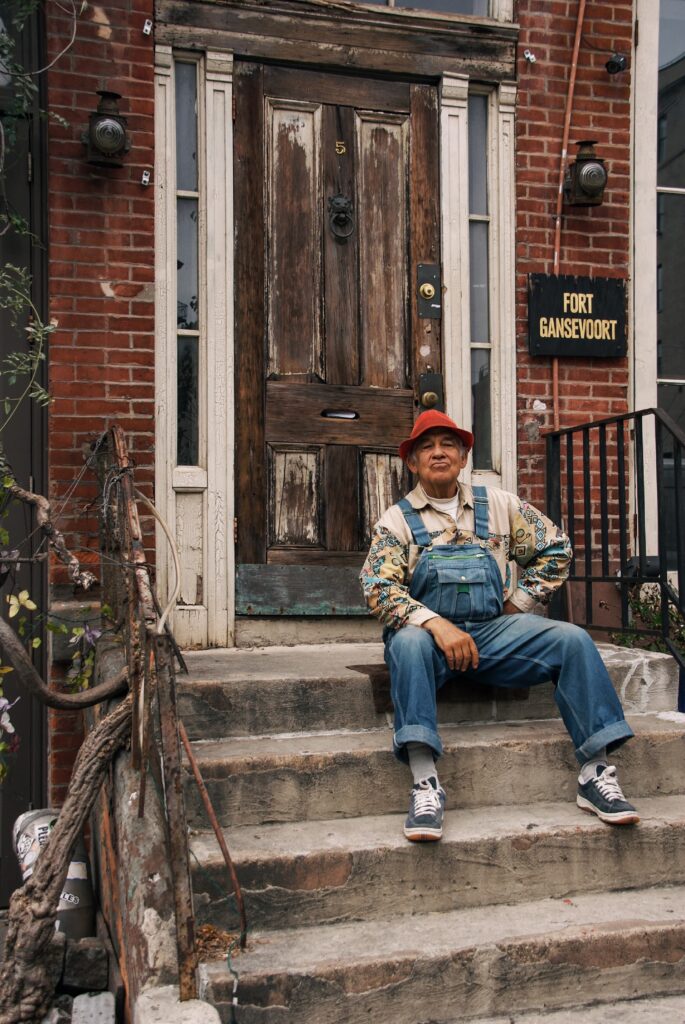
Photography and memory are closely connected. For Alicja Karyś, photography is not just about images, but about capturing emotion, detail, and the way people experience the world.
Alicja Karyś is a freelance photographer worked with «Dziennik Zachodni«, newspaper in Poland. She is a laureate of a photography competition in Katowice in 2024. Her path into photography did not begin with a plan. It began during the pandemic, in a moment of stillness, when everyday life slowed down and observation became more intense.
The Beginning: From Isolation to Discovery
The first contact with photography came unexpectedly. An old camera, taken out during lockdown, became a tool for rediscovering the surrounding space.
«At the beginning, it was just curiosity” Alicja Karyś explains. “But very quickly I realized that photography allows you to see things differently. It slows you down.”
That slowing down became essential. In a time when movement was limited, attention grew stronger. Small details, often ignored in everyday life, started to gain importance. This shift marked the real beginning of her photographic journey.
What started as a unexpected personal activity soon developed into hobby and later into something more structured. Education in photography provided technical knowledge, but the core remained emotional and intuitive.
Learning to See, Not Just to Look
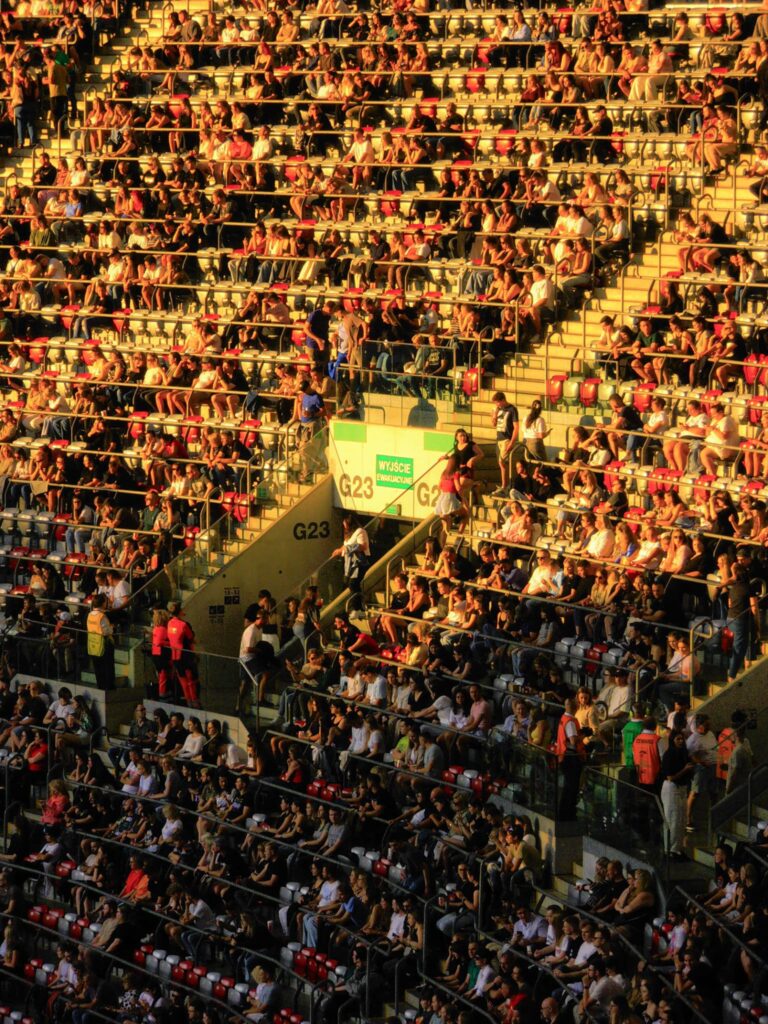
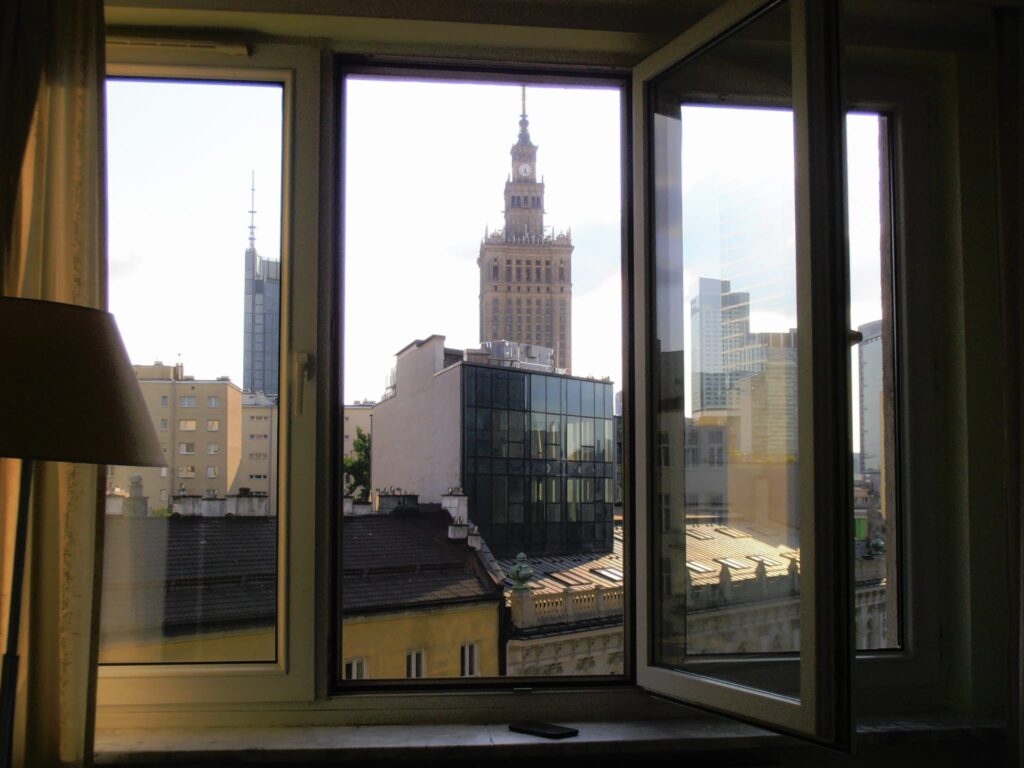
Photography, in this perspective, is not only about pressing the shutter. It is about learning how to see, catching perfect moment for one shot, sometimes in one minute you create perfect shot, sometimes this need hours.
“Two people can stand in the same place and take completely different photos” she notes. “The difference is not the place, but the way of seeing.”.
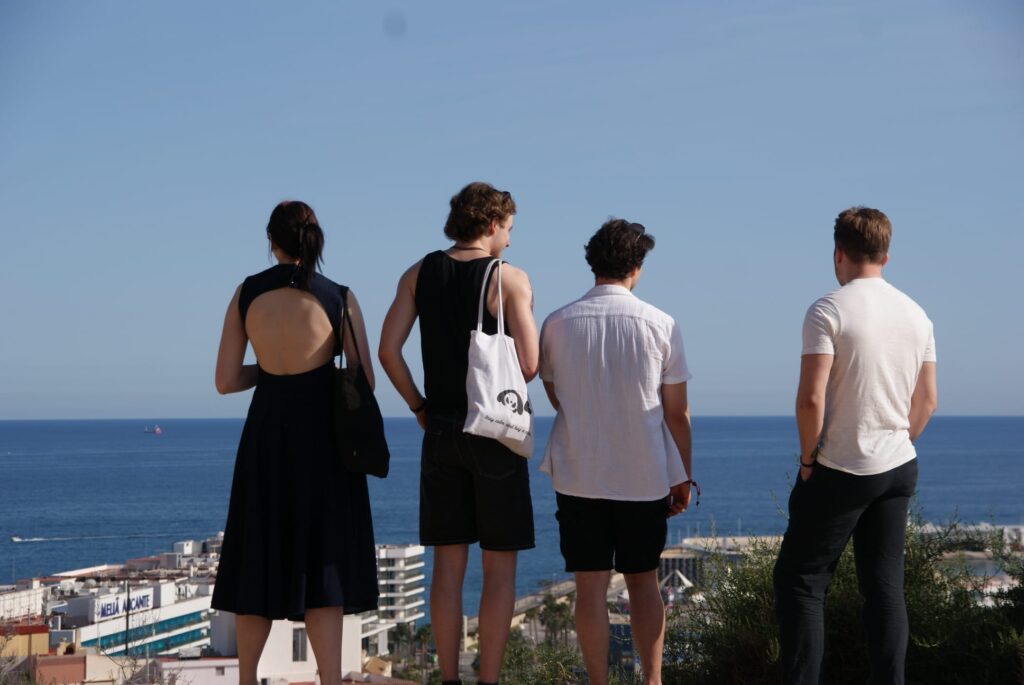
This idea has been present in photography since its earliest days. From the first permanent photograph created in the 19th century to modern digital images, the medium has always balanced between documentation and interpretation. For Karyś, this balance is essential. Technical skill allows control, but perspective gives meaning. Without perspective, an image remains empty.
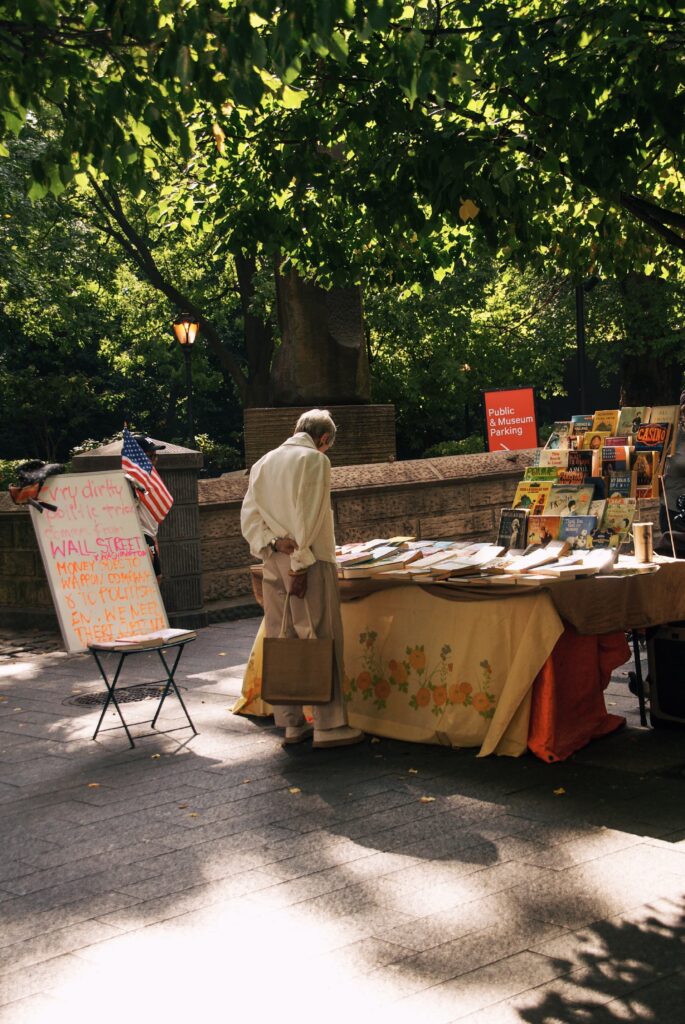
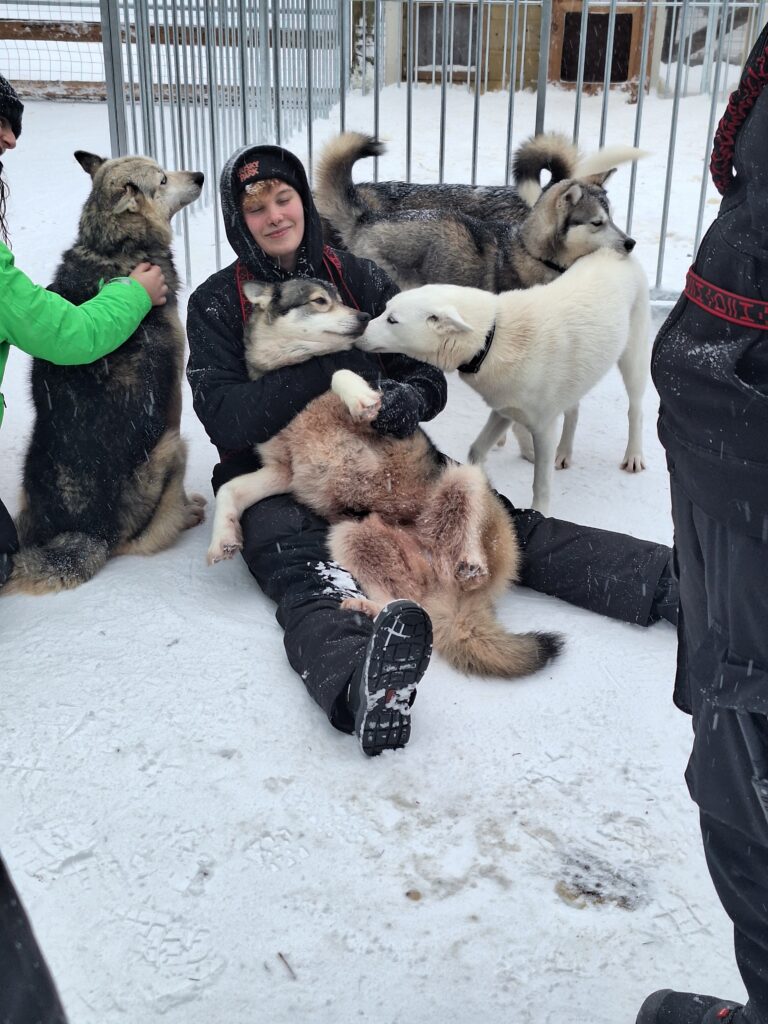
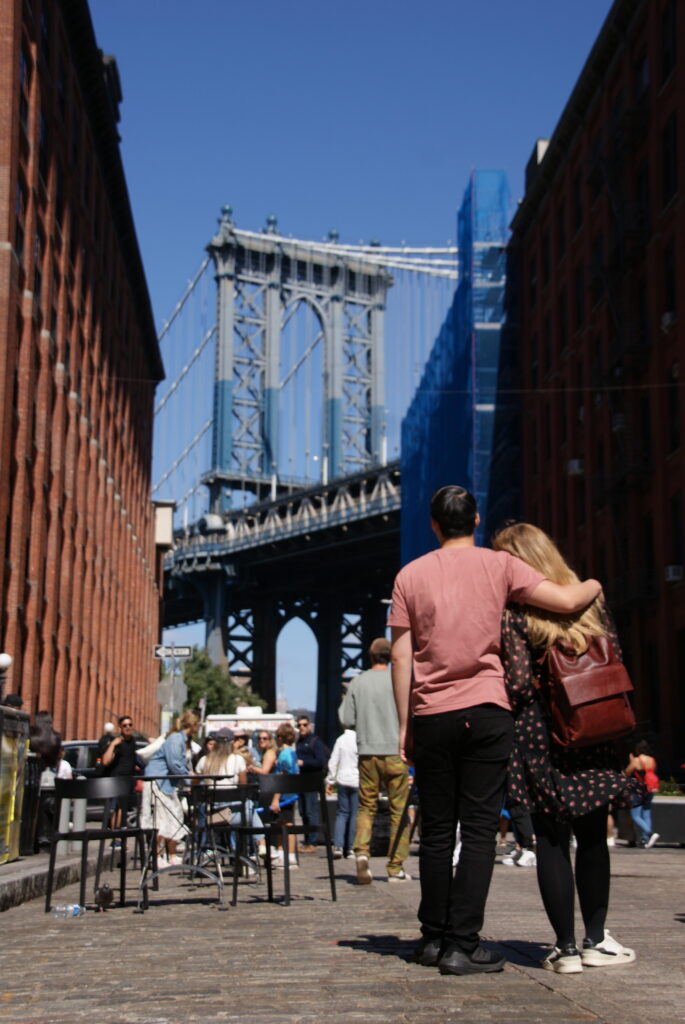
Travel Photography: Discovering Hidden Details
Travel photography plays a central role in her work but she also is passionate of sport photography. It is in movement, outside familiar spaces, that attention becomes sharper.
“When you travel, you start noticing things that normally disappear in routine. You have possibility to see something what nobody else can capture.” Karyś says. “Light on a wall, reflections in windows, small gestures. Yes, these things become important.”.
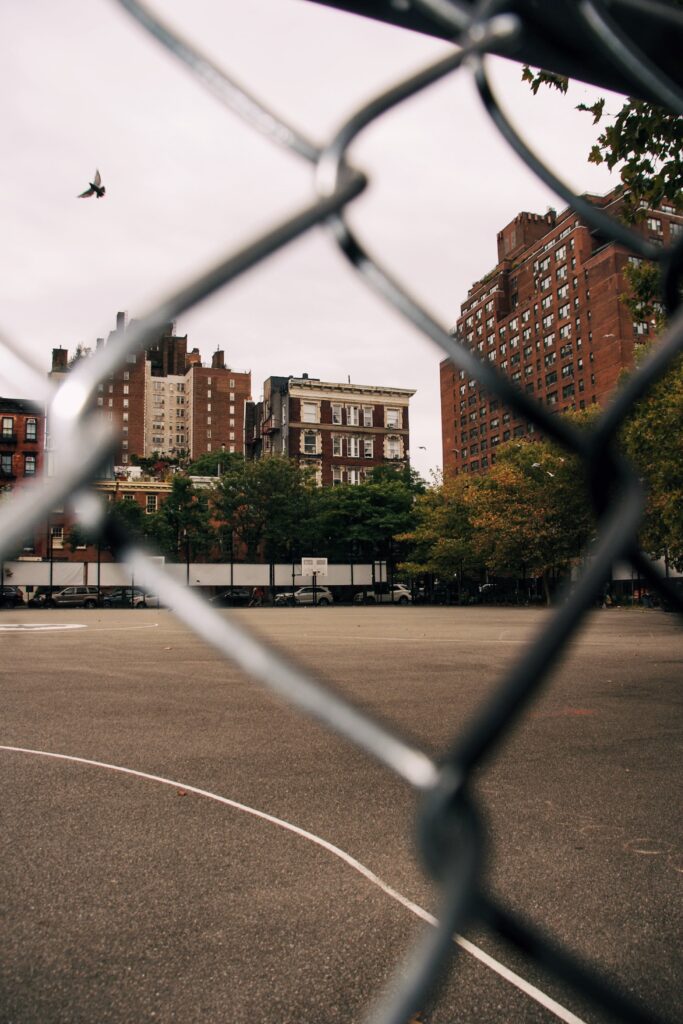
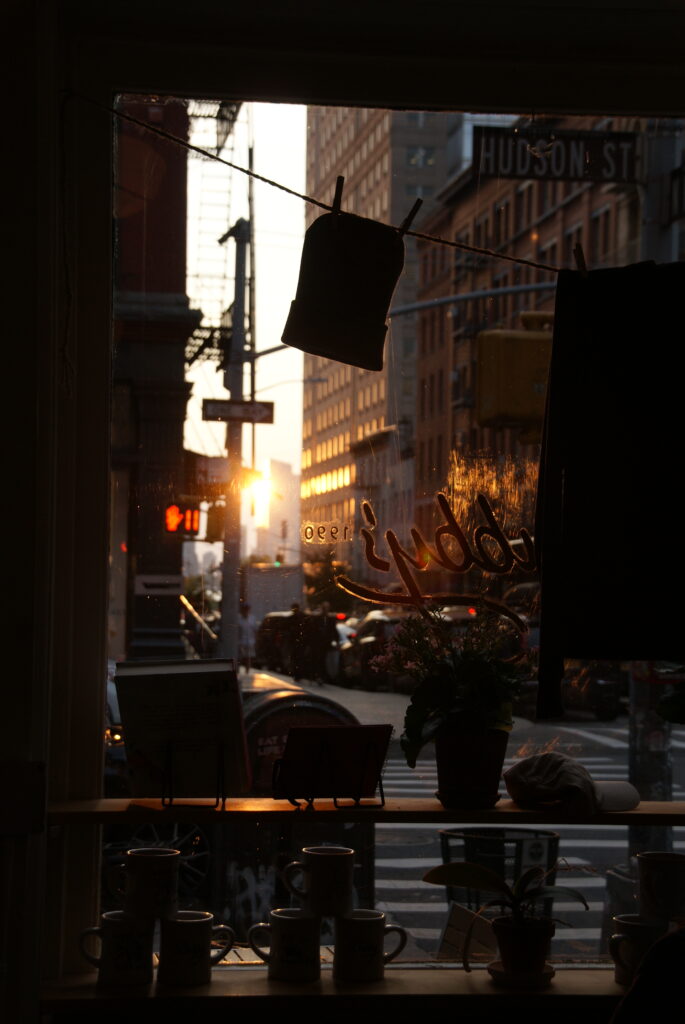
Travel changes perception. It creates distance from habits and opens space for observation. In this sense, the camera becomes a tool not only for recording places, but for discovering them in different not usually way. Many of these observations are subtle. They do not depend on spectacular landscapes or dramatic scenes. Instead, they rely on details that might otherwise go unnoticed.
“The smallest detail can change everything in a photo” she adds. “Sometimes it is just one element that gives the image emotion, one small move».
Podejście to wpisuje się w szersze rozważania na temat fotografii jako sztuki i obserwacji, często omawiane w tekstach, w których fotografia opisywana jest jako medium , które przekształca zwykłą rzeczywistość w znaczące doświadczenie wizualne.
More Than a Moment
One of the key ideas in A. Karyś work is that photography goes beyond capturing a single moment. It holds memory and emotion which makes them valuable.
“A photograph is not only about what you see» she explains. “It is also about what you feel when you look at it later”.
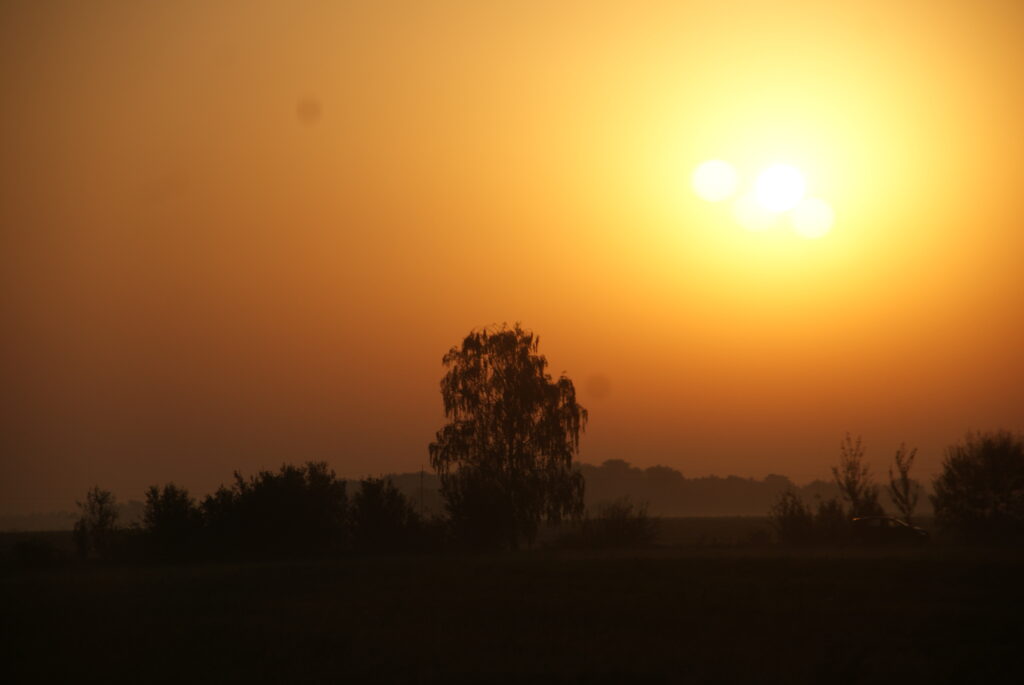
This connection with memory makes photography especially powerful. Images can return after years and still carry the same atmosphere. They can recreate a place, a situation, or even a state of mind. Unlike written descriptions, photographs often work instantly. They do not need translation. They communicate through light, composition, and feeling.
“Sometimes a photo can say more than words, because it shows something that is difficult to describe.”
From Passion to Profession
The transition from passion to profession did not remove the original motivation. Instead, it strengthened it. Photography school provided structure, discipline, and technical awareness. It also introduced new ways of thinking about composition, light, and narrative. At the same time, the emotional core remained unchanged.
“The feeling is still the same as at the beginning” Karyś says. “There is still curiosity and excitement in every photo, but now I can see the difference. I become more awareness.”
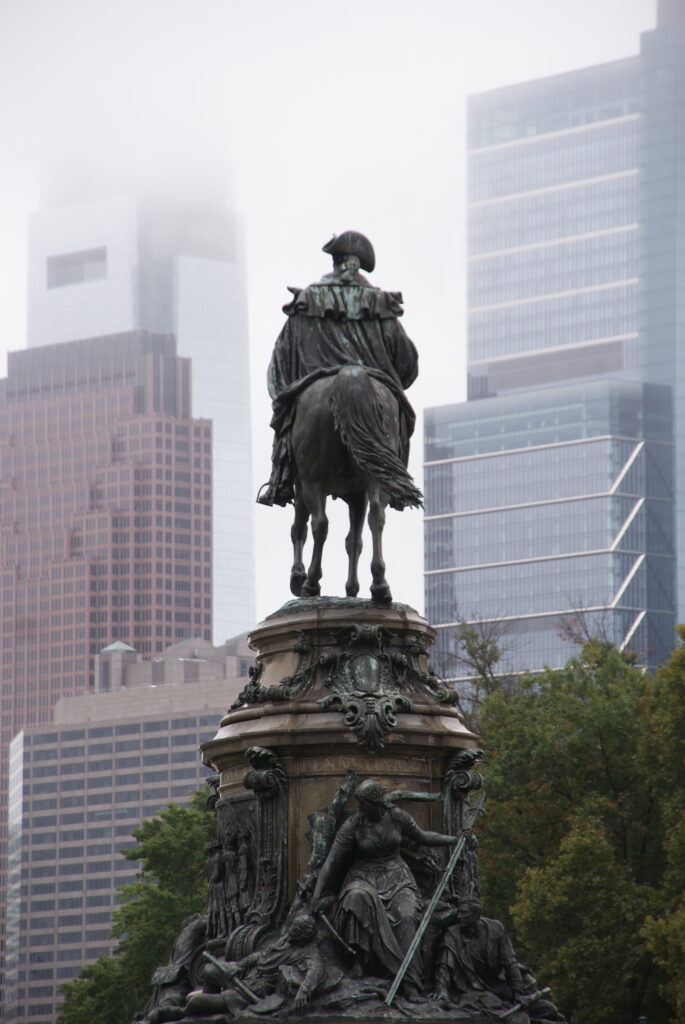
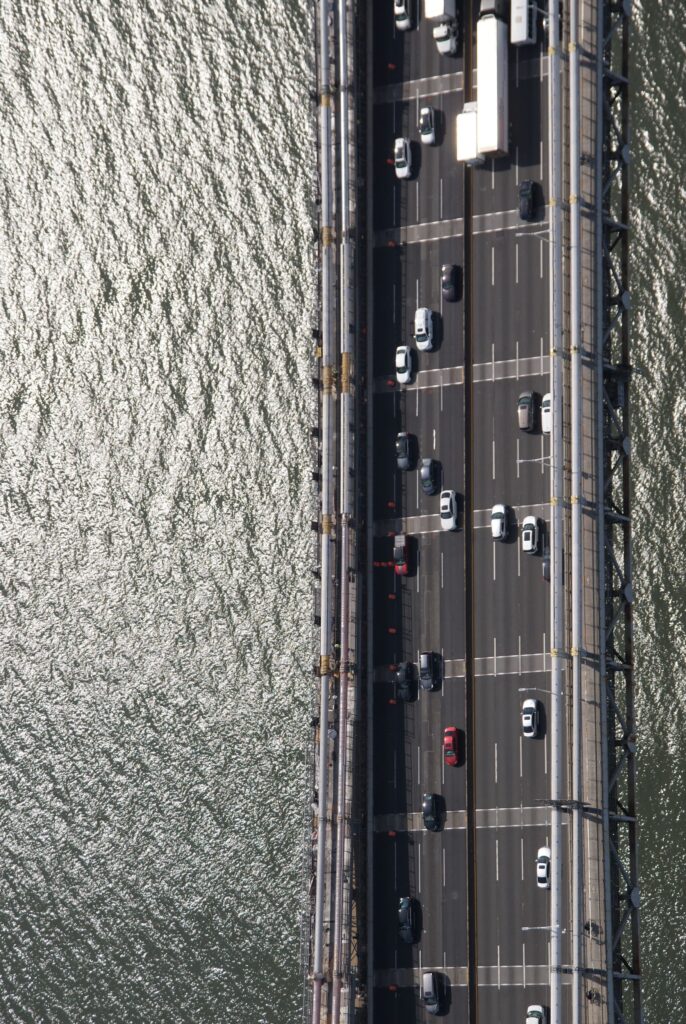
A. Karyś operated in a space where photography meets journalism. In this context, images are not only artistic, they are also information. However, even in journalistic work, personal perspective remains important. The same event can be presented in many ways, depending on framing, timing, and focus.
“Even when you document something real, you still decide how to show it” she notes.
The Meaning Behind the Image
In a world full of fast content and constant visual noise, photography still has the power to slow things down. It can create a pause, a moment of attention. For A. Karyś, this is where its real value lies. A photograph is not only a captured second. It is a fragment of perception, a trace of emotion, and sometimes even a small piece of someone’s story.
In this way, photography and memory remain deeply connected in every image. It becomes a quiet form of memory and, in some cases, a reflection of another soul.
