
How Liver Zombie Cells Drive Aging, And How to Reverse It?
A new study has drawn attention to zombie cells and their possible role in liver damage, chronic inflammation, and faster aging. These cells do not function normally anymore, but they also do not die.
Zombie cells
Aging is a natural process, but scientists have discovered a silent driver behind it. In a new study, researchers have identified zombie cells that stay in the body long after they should have died. These cells may be the reason why organs like the liver lose their health over time.
These cells are officially called senescent cells. They stop dividing and working correctly, but they do not disappear. Instead, they remain in tissues and send out harmful signals. These signals cause chronic inflammation, which damages nearby healthy cells.
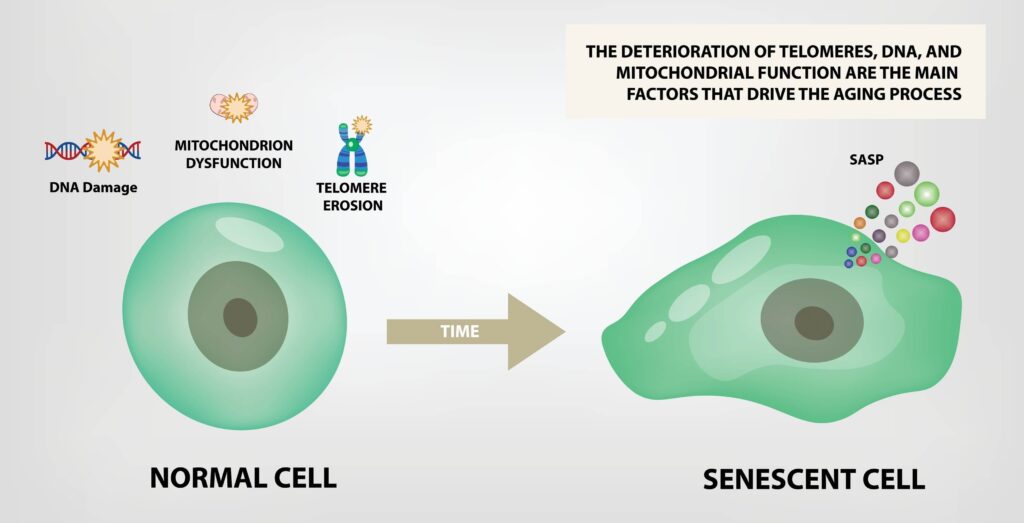
According to a report by National Geographic Polska, these zombie cells are especially dangerous in the liver. This organ is the body’s main filter for fat, sugar, and toxins. When zombie cells accumulate in the liver, they make it harder for the organ to repair itself.
The immune cells that stop helping
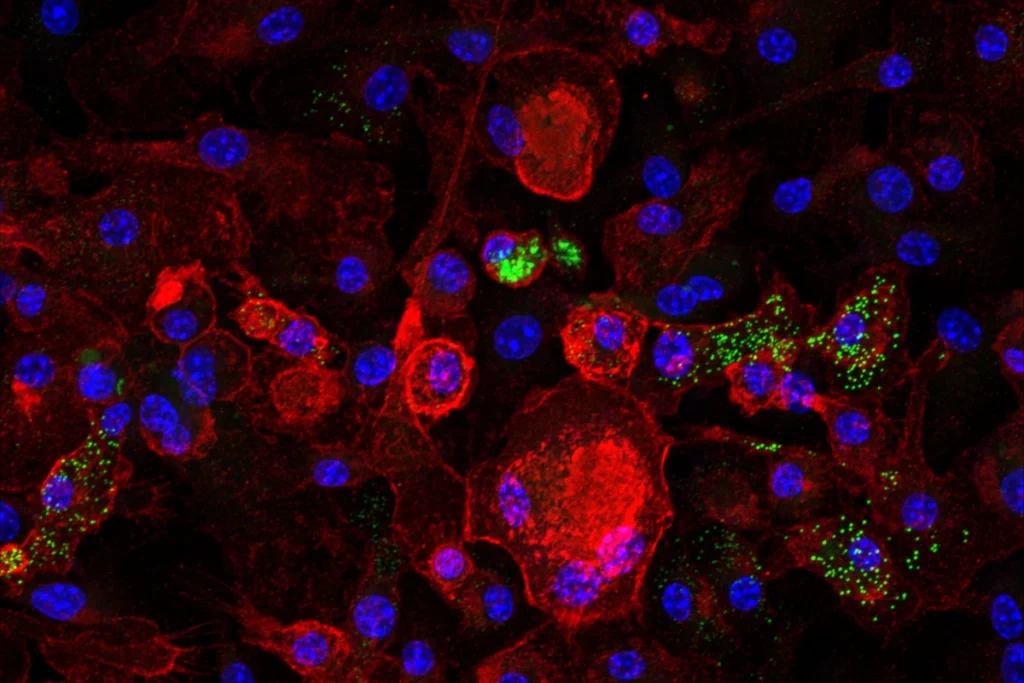
One type of immune cell, called a macrophage, is at the center of this research. Normally, macrophages are the body’s clean-up crew. They patrol organs and remove waste. However, as the body grows older, these macrophages can become senescent.
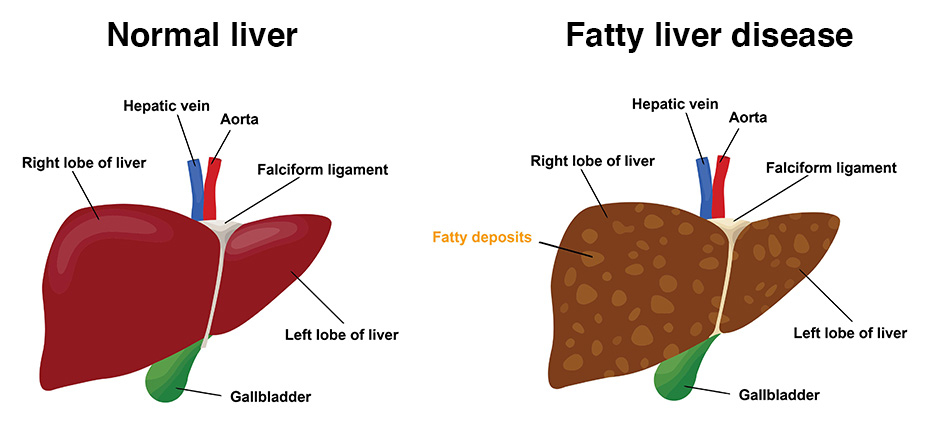
When this happens, they stop cleaning and start causing inflammation. Studies show that in older livers, the number of these bad macrophages rises significantly. This change is also linked to fatty liver disease, a condition that affects many people today because of unhealthy diets.
Why cholesterol is part of the problem
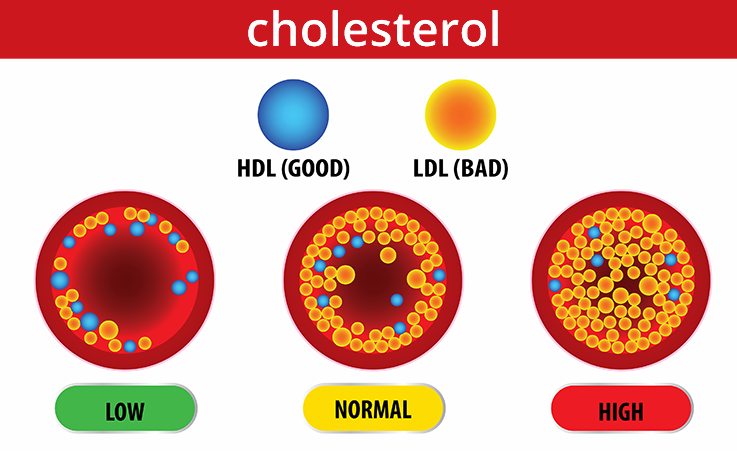
Aging is not the only trigger for these zombie cells. High levels of LDL cholesterol, the bad kind of cholesterol, can also push healthy cells into this harmful state. In laboratory tests, cells exposed to high cholesterol began to act like zombie cells very quickly.
This means a diet high in fat and cholesterol may be doing more than just increasing weight. It may be forcing cells to age faster. For the liver, this leads to a dangerous cycle of inflammation and damage that is very hard to stop.
Can we reverse the damage?
The most exciting part of the research involves senolytics. These are compounds designed to find and remove zombie cells. In experiments with mice, removing these cells led to great results.
The report published in Nature Aging shows that when zombie cells were cleared, liver inflammation went down. The liver looked healthier and worked better, even when the mice were still on an unhealthy diet. This suggests that some damage from aging might not be permanent.
Why this research matters
Fatty liver disease is becoming more common, and it is now seen as a major health problem in many countries. This makes the study of senescent cells especially important. According to UCLA Health, these zombie immune cells may build up in the liver with age and also during fatty liver disease, keeping inflammation active for a long time.
This may help explain why liver damage often gets worse slowly and silently. The problem may not come only from fat stored in the organ, but also from harmful cells that stay in the tissue and continue sending inflammatory signals. In this way, aging and metabolic disease may be more closely connected than previously thought.
The scientific study published suggests that removing these cells improved liver health in animal tests. This does not mean that a treatment for people is already available, but it does show that some damage linked to aging may be influenced by processes inside the tissue itself. Because of this, senescent cells are now being studied as a possible target in future liver therapies.
What this means for the future
People still need safer treatments before doctors can use these methods in people. Currently, the medications used in tests are too strong for regular use. However, the message is clear that people can learn to remove zombie cells safely, then community might find new ways to treat liver disease and slow down aging.
For now, the best way to protect liver is through a healthy lifestyle. But in the future, science may offer a way to clean up people tissues from the inside.
