
Vitamin B1 Theory Proven After 67 Years
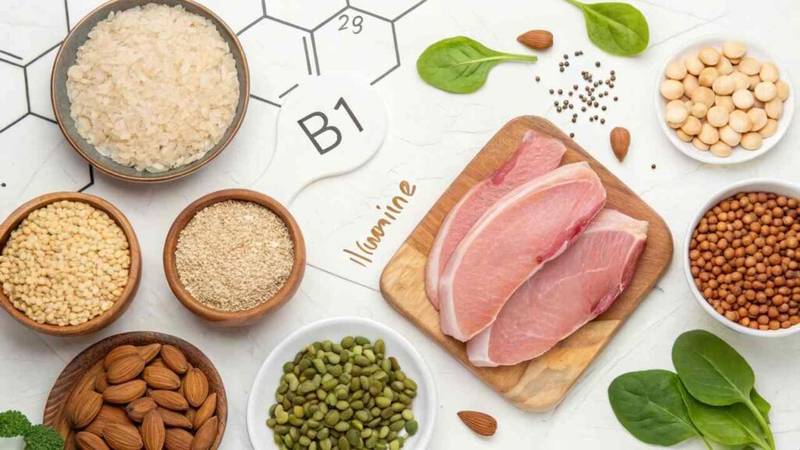
A long-standing mystery in chemistry has been solved, as the famous vitamin B1 theory is proven at last. A hypothesis linked to thiamine, first proposed in 1958, has now been confirmed after researchers succeeded in stabilizing a highly reactive molecule in water
According to a recent report, the breakthrough centers on a carbon-based molecule known for being extremely unstable. In normal conditions, this type of molecule reacts almost immediately, especially in water. That is why the original theory remained unproven for decades.
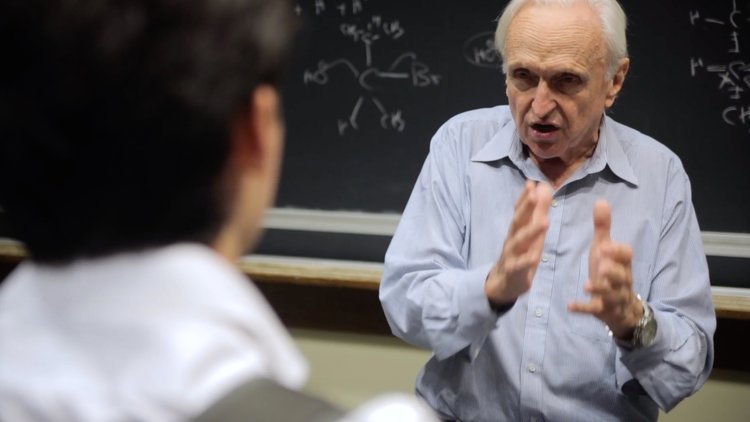
The idea came from chemist Ronald Breslow, who suggested that vitamin B1 or thiamine, could briefly form a carbene-like structure inside living cells to help important biochemical reactions take place. For years, this remained only a strong scientific hypothesis, because no one had been able to observe such a molecule in water.
The Vitamin B1 Theory was Proven
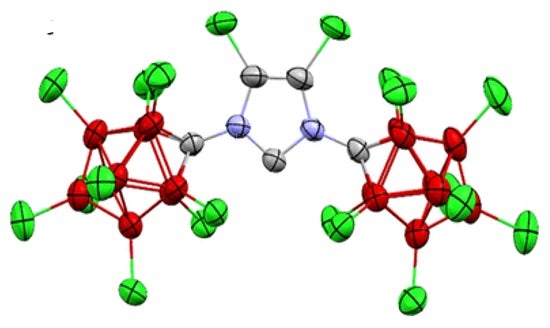
The new result changes that. A research team from UC Riverside created a protective structure around the carbene, allowing it to survive in water for months. This made it possible to isolate the molecule and study it directly. The scientific paper, offers strong support for the old Breslow theory. It also shows that highly reactive molecules may be handled in water more effectively than previously believed.
Beyond vitamin B1
The importance of the discovery goes beyond one vitamin. Carbenes are widely used in catalysts, which are key tools in the production of drugs, fuels, and industrial materials. Many of these chemical processes still depend on toxic organic solvents.
Similar reactions can be controlled in water instead, the process could become cleaner, safer, and cheaper. That is why this discovery also connects with broader discussions about green technology and sustainable innovation, where scientific progress is increasingly linked to environmental responsibility.
A small discovery with wide impact
The breakthrough also brings chemistry closer to the conditions found inside living cells, where water is the main environment. This may help future research better understand how key reactions happen in the body and how they can be copied in the lab.
For now, the finding is being seen as a major step in modern chemistry. A decades-old theory has been confirmed, and a possible path toward greener chemical manufacturing has become more realistic.
