
Seafood Virus May Affect Humans

Early findings point to zoonotic spillover
A virus linked to seafood has raised concern among scientists after early findings suggested it may have crossed from marine organisms to humans. Initially detected in aquatic species, the pathogen is now being studied for its ability to adapt to human tissue, particularly the eyes. Experts describe this process as zoonotic spillover, a phenomenon in which viruses move between species. According to the World Health Organization, such transmissions are becoming an increasingly important focus in global health research.

Focus on long-term eye inflammation
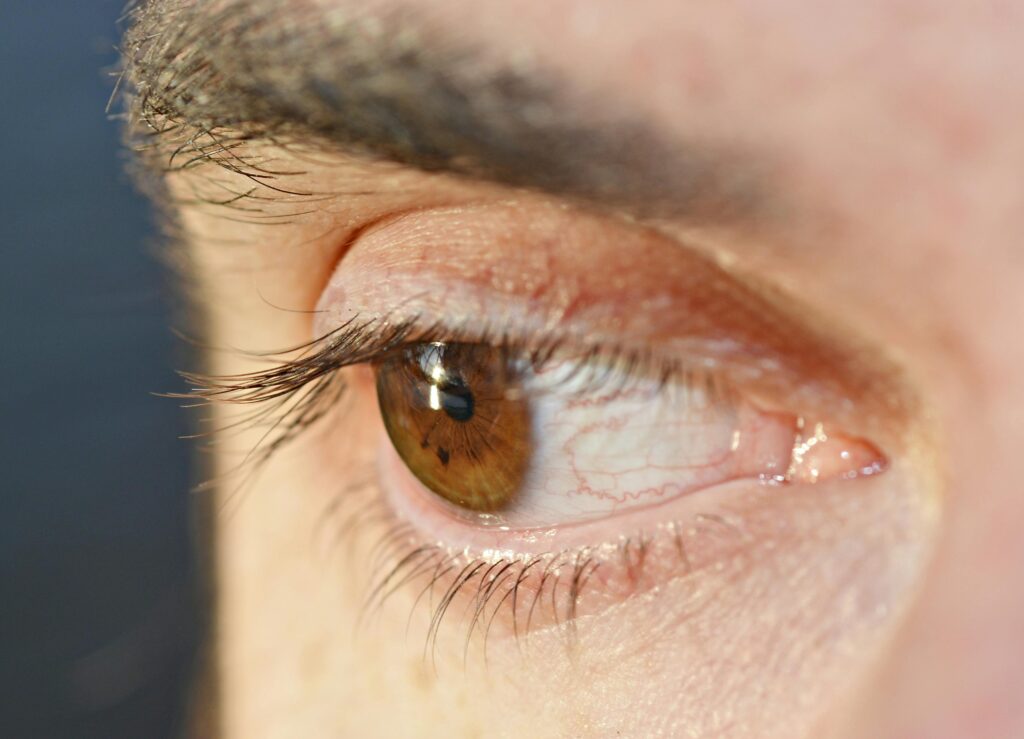
What makes this case notable is the way the virus appears to behave in the human body. Rather than causing a rapid and severe illness, early observations suggest it may trigger long-term inflammation in ocular tissue. This shifts concern toward chronic conditions that may affect daily life over time. Researchers emphasize that these findings remain preliminary and require further scientific investigation.
Seafood consumption identified as possible risk
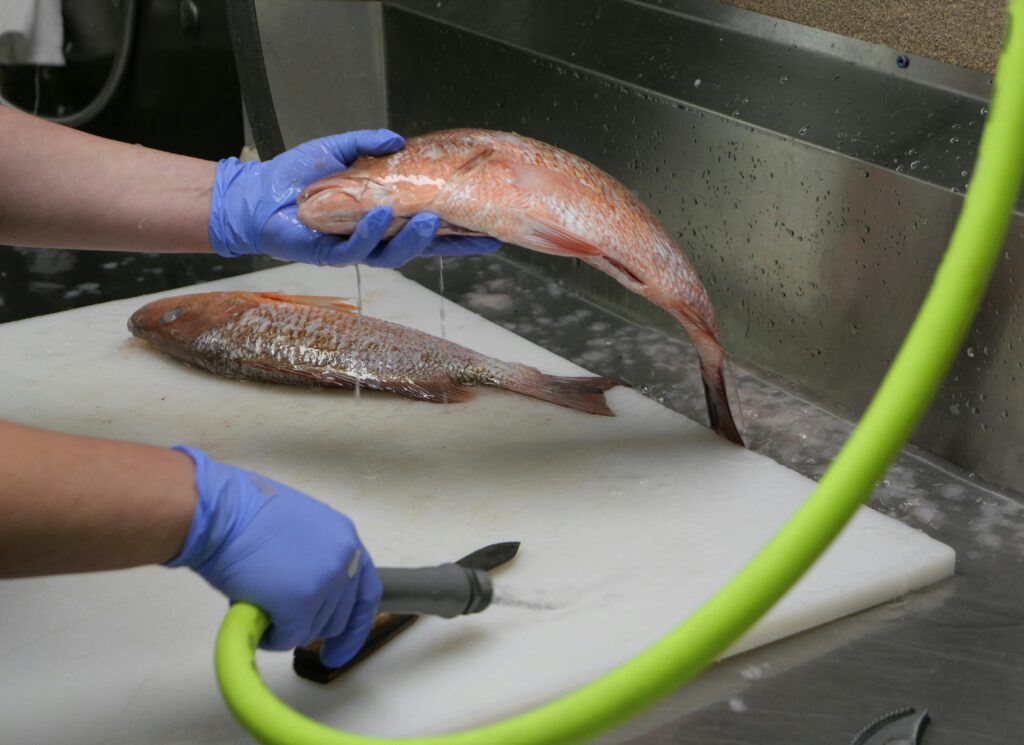
Scientists point to raw or undercooked seafood as the most likely transmission route. Shellfish such as oysters, known for filtering large volumes of water, can accumulate viral particles from contaminated environments. However, there is currently no clear evidence that the virus spreads efficiently between humans. The European Food Safety Authority has previously highlighted the potential for seafood to carry viral pathogens.
Limited risk, experts urge caution not panic
Symptoms reported so far include eye redness, irritation, and prolonged inflammation. While not considered life-threatening, untreated cases could lead to chronic discomfort. Despite the alarming tone of some reports, experts stress that the current situation does not indicate a widespread public health emergency. Instead, it is being monitored as a limited but manageable development, with basic hygiene and safe food practices seen as sufficient to reduce risk.
