
Ocean Plastic as a Road Infrastructure Solution
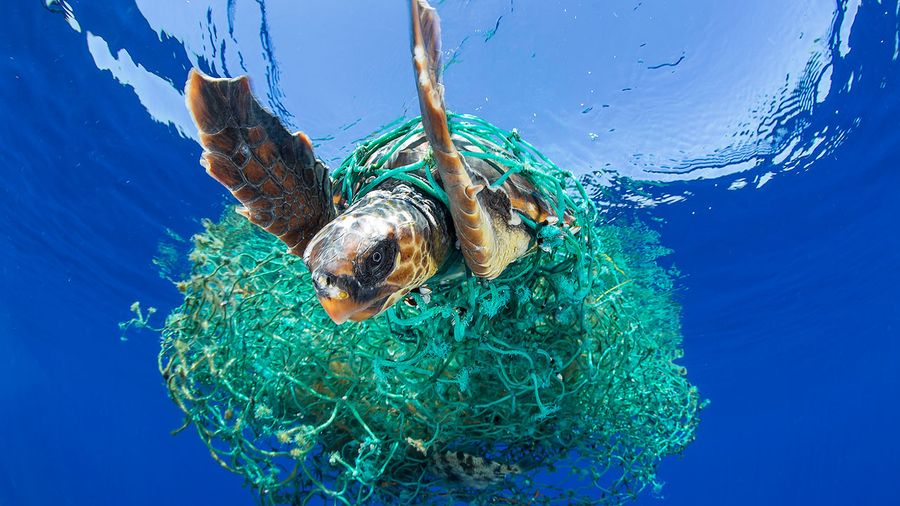
The accumulation of plastic in the global oceans remains one of the most significant environmental challenges. In response, infrastructure projects are exploring the possibility of repurposing marine debris as a component for road construction.
Ocean Plastic as a Road
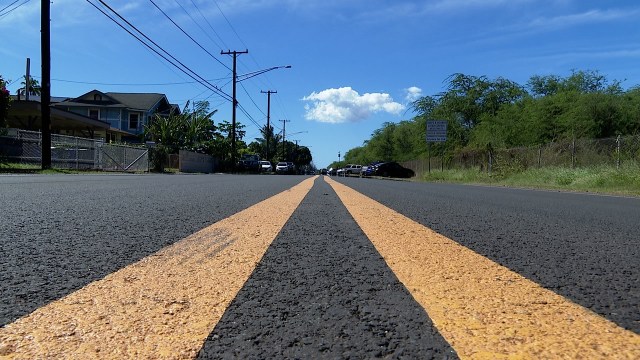
Experiments managed in Hawaii demonstrate a shift toward incorporating ocean waste into asphalt mixtures. Rather than disposing of marine debris in landfills or through burning, specific types of plastic are being tested as binders in pavement.
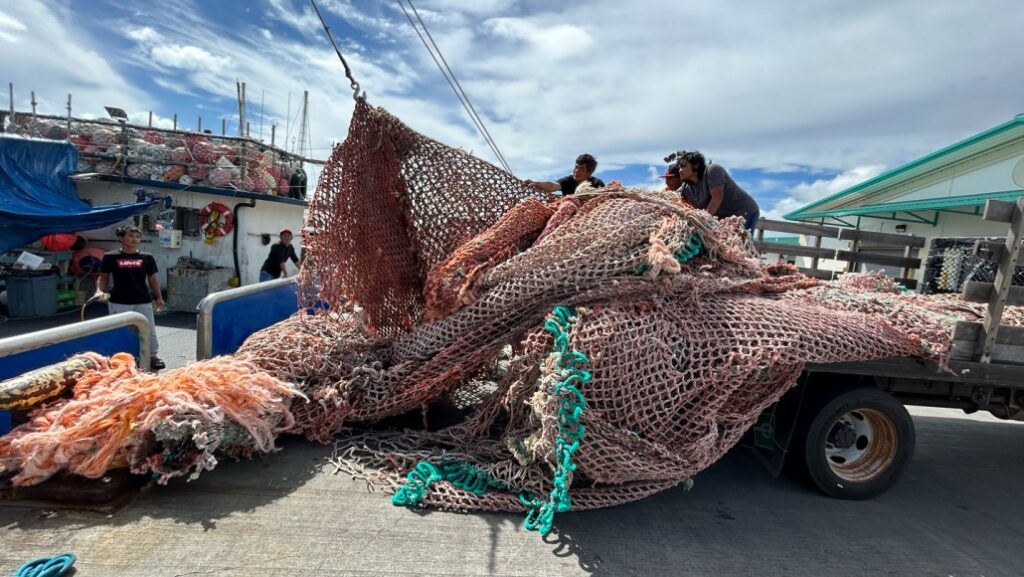
According to reports in Science News, approximately 90 metric tons of plastic trash have been recovered from the Pacific for research, with over a ton of fishing nets already integrated into experimental road sections.
Technical Process and Implementation
The project, led by the Center for Marine Debris Research at Hawaii Pacific University, focuses on sorting and cleaning plastic found in old fishing gear and bottles. This waste is turned into small pieces and added to hot asphalt mixes.
The main goal is to solve the waste problem in islands and remote areas. As reported by BBC Newsround, using plastic that is already in Hawaii reduces the cost of shipping trash away. It stops more waste from going into local landfills that are already full.
Impact on nature and microplastics
A big part of this research is about microplastics. While these roads help reuse waste, there is a risk that small plastic bits could break off when cars drive over them. Early tests on these road sections show that they do not release much more plastic than normal roads.
However, experts are still checking for long-term leaks into the soil. More testing is needed before this method is used everywhere. This is the only way to be sure it does not cause new problems for nature.
Different point of views
Even though the idea sounds good, some groups are careful. Dialogue Earth reports that melting plastic might release harmful chemicals if it is not done the right way. Also, the long-term effect of microplastics in the ground is still being debated by specialists.
The success of this plan depends on whether plastic roads are truly safer for the environment than normal roads. This work is part of a larger move toward green technology and sustainable innovation, where new ideas must be proven with clear facts.
Future outlook
The integration of ocean plastic into infrastructure represents an attempt to connect waste management with urban development. For now, the use of marine debris in asphalt remains in the testing phase, serving as a case study for future circular-economy applications. The arrival of these technologies indicates a necessary re-evaluation of how waste materials can be utilized in public works.
