Social Media and Elections: How Digital Platforms Are Reshaping Political Communication
Social media platforms are increasingly shaping how elections are conducted around the world. Platforms such as Facebook, X (formerly Twitter), TikTok and YouTube have become important arenas where political actors communicate with voters, spread campaign messages and influence public opinion. In many countries, election campaigns now rely heavily on digital communication strategies that allow candidates to reach audiences quickly and directly. According to the Reuters Institute Digital News Report, social media has become one of the key channels through which citizens encounter political news, particularly among younger audiences.
From Traditional Media to Social Media News
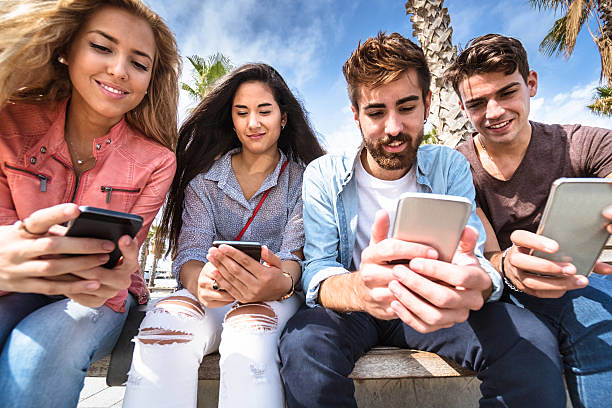
The way people encounter political information has changed significantly with the rise of social media. Instead of relying mainly on television or newspapers, many users now come across political content while scrolling through their social media feeds. According to the Pew Research Center’s Social Media and News Fact Sheet, platforms such as Facebook and YouTube have become major sources of news consumption. Around 38% of U.S. adults say they regularly get news from Facebook and 35% from YouTube, while smaller shares report getting news from Instagram, TikTok or X (formerly Twitter).
This change means that political information increasingly circulates within the digital environments people already use for communication and entertainment. Instead of actively searching for news, users often encounter political content through algorithms, recommendations or posts shared by friends and influencers.
A Case from Mozambique
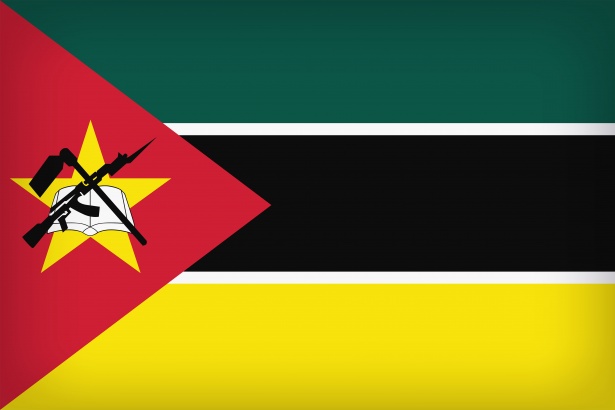
The political influence of social media can also be seen in emerging democracies. In Mozambique, digital platforms have become an important arena for political communication, particularly for opposition movements that have limited access to traditional media channels.
During a guest lecture at the Universidad de Castilla-La Mancha (UCLM), Professors Jane Mutsuque and Pedrito Cambrão from Zambeze University in Mozambique discussed how social media algorithms have changed political communication in their country. When asked how these platforms influence public opinion and elections, the professors pointed to recent presidential and parliamentary elections as a clear example.
“During the last elections we clearly saw the power of social media,” the professors explained. “One opposition candidate, who had not been a long-term political figure, managed to build strong support in less than a year through social media. When he started livestreams, within five to ten minutes more than 150,000 people were already watching. This shows how powerful social media has become as a mobilization tool.”
Social Media as a Political “Watchdog”
According to the professors, social media platforms have also become an important space for civic participation in Mozambique. Many users describe them as a type of “watchdog,” where citizens can criticize government policies, debate political issues and share information that may not appear in traditional media outlets.Digital platforms also allow individuals without access to mainstream media to express their opinions and participate in political discussions. In this sense, social media can function as a public sphere where citizens interact with political actors and demand accountability.
The Challenge of Misinformation
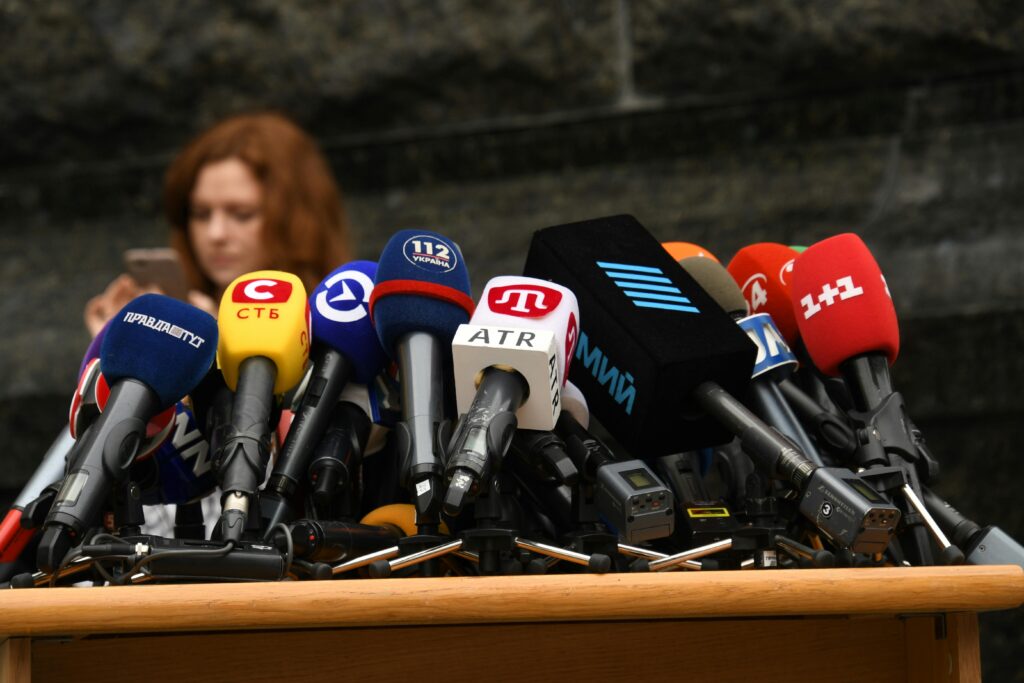
Despite these opportunities, the increasing political role of social media also brings new challenges. Researchers from the Oxford Internet Institute warn that algorithm-driven platforms can amplify misleading information and polarizing content during election periods, which may distort democratic debate and influence voters’ perceptions.
Mozambique has experienced both the positive and negative sides of these platforms. Social media helped mobilize civic protests in 2023 after increases in public transportation prices, showing its potential for political participation. At the same time, the spread of fake news and emotionally driven narratives remains a serious concern.
A Changing Political Communication Landscape
Overall, the case of Mozambique reflects a broader global trend. Social media platforms are becoming central spaces where political campaigns gain visibility, where public debates take place and where citizens react to political developments in real time. They can expand participation and give voice to people who previously had limited access to public discussions. At the same time, the growing influence of algorithms and online information flows raises important questions about misinformation, regulation and the future of democratic communication. Understanding how these platforms shape elections will likely remain an important issue for researchers, journalists and policymakers in the coming year.
