
Synthetic Neurons Successfully «Talk» to Brain Cells
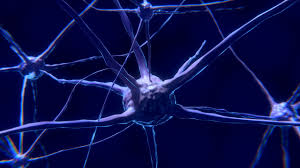
Science continues to advance rapidly across diverse fields. Scientists at Northwestern University have created artificial neurons that successfully communicate with living brain cells. This represents a triumph of modern engineering and the future of brain therapy.
How this works?
Neurons are designed to generate electrical impulses that are nearly identical in duration and waveform to those produced by natural nerve cells. This ensures that the brain doesn’t reject them but interprets them as real data.
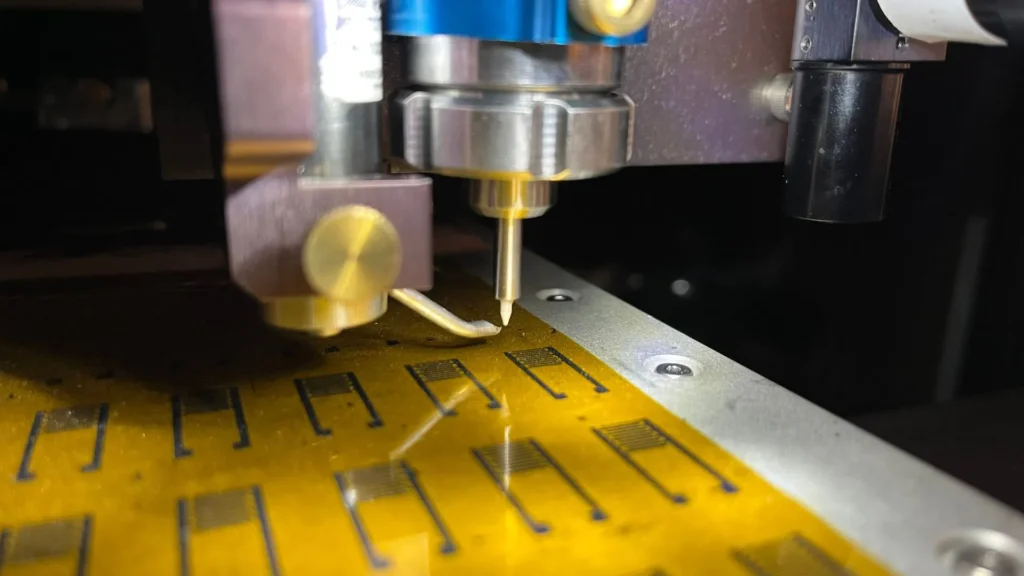
They were created using electronic inks applied by an aerosol printer onto a soft polymer substrate. This is important because they mimic the soft structure of the brain, allowing them to adhere to living tissue without damaging it, facilitating a continuous flow of information. They were tested on tissue on mouse brain cells. It showed that the artificial neurons successfully triggered responses from real neurons, demonstrating a new level of biocompatibility.
Why this is Innovative
This device is so revolutonary for many reasons. First it’s a step toward electronics that can communicate directly with the nervous system, that can improve implants for hearing, vision and movement. It also affect computeric systems, because thanks to that they can perform complex operations using far less power than today’s data-hungry technologies.
Althought it needs some improvement and more studies to impact the AI we know today. As said Mark Hersam the ledder of the study:
The way you make AI smarter is by training it on more and more data. This data-intensive training leads to a massive power-consumption problem. Therefore, we have to come up with more efficient hardware to handle big data and AI. Because the brain is five orders of magnitude more energy efficient than a digital computer, it makes sense to look to the brain for inspiration for next-generation computing.
Major step
These artificial neurons are a major step toward connecting technology directly with the human body. They offer hope for better medical implants and smarter, more energy-efficient computers. While more research is needed, this invention changes how we understand the brain. We are now closer than ever to a future where machines and biology work as one.
