
Easter in the Age of Algorithms
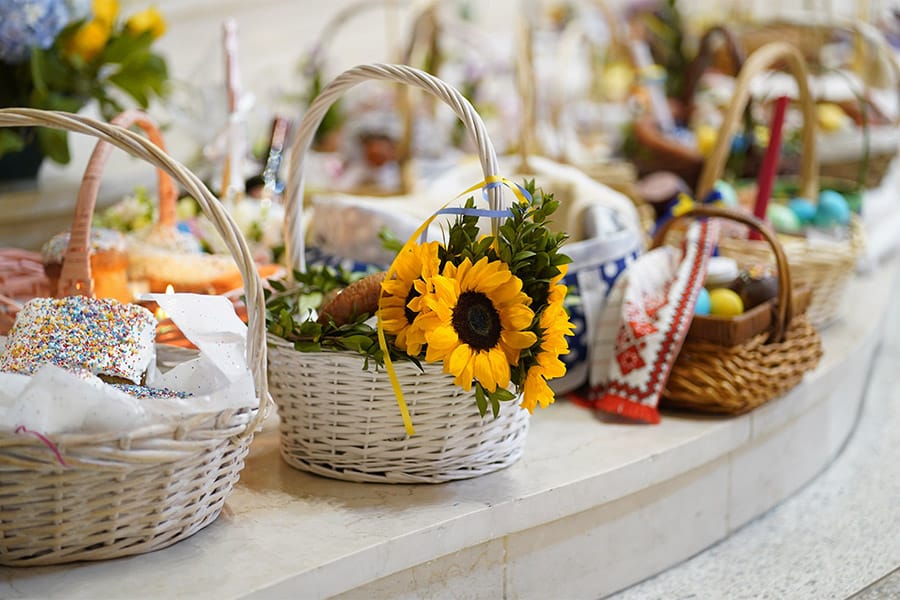
Easter Christmas is no longer just a tradition, it is also a trend shaped by algorithms. What people cook, wear, and share during the holidays is increasingly influenced by what platforms decide community should see.
Viral mechanisms of celebration
In the weeks leading up to Pascha, social media feeds become saturated with pastel aesthetics, brunch ideas, and DIY decorations. This is not accidental. Platforms such as Instagram and TikTok are programmed to prioritize family-friendly and festive content due to its high capacity for generating engagement likes, shares, and saves.
Social media algorithms are designed to amplify content that maintains user attention. By tracking interactions such as watch time, comments, and shares, these systems push high-performing posts to wider audiences. Consequently, a simple Easter table arrangement can be transformed into a global trend within hours.



TikTok: The transformation of traditions into trends
TikTok plays a priority role in redefining the Easter experience for younger generations. Its recommendation system promotes content based on performance rather than the popularity of the account. This allows even minor creators to achieve massive reach if their videos effectively hold the viewer’s attention.
Research indicates that factors such as hashtags, engagement rates, and video length significantly determine whether content is recommended. This explains why short, dynamic Easter videos such as egg-dyeing hacks or rapid recipes spread so quickly.


Instagram: The aesthetics of the festive feed
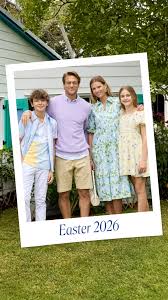
On Instagram, the focus of Easter algorithms shifts toward visual perfection. The platform is known to favor content that is saved and shared, moving beyond simple likes. This mechanism encourages the creation of highly curated Easter posts, ranging from elegant brunch settings to coordinated family outfit.
Data suggests that formats such as carousels and Reels perform exceptionally well when they offer practical value or narrative quality. As a result, the holiday is often perceived through the lens of aesthetic presentation rather than spontaneous celebration.
The logic of algorithmic personalization
The common thread is algorithmic personalization. Feeds are fitting to user behavior to maximize time on the app, significantly shaping perception. Studies show that reduced personalization leads to a drop in activity and engagement. This implies that algorithms do not just reflect interests, they reinforce and standardize them during holidays.
Digital Easter
Algorithms do not replace traditions, but they fundamentally reshape how they are experienced. They determine what becomes visible and what is deemed popular. In the age of digital calculation, Easter remains a time for celebration, but it is also a period governed by visibility, performance, and the pervasive logic of the feed.
