
Digital Easter: From Church to Screens
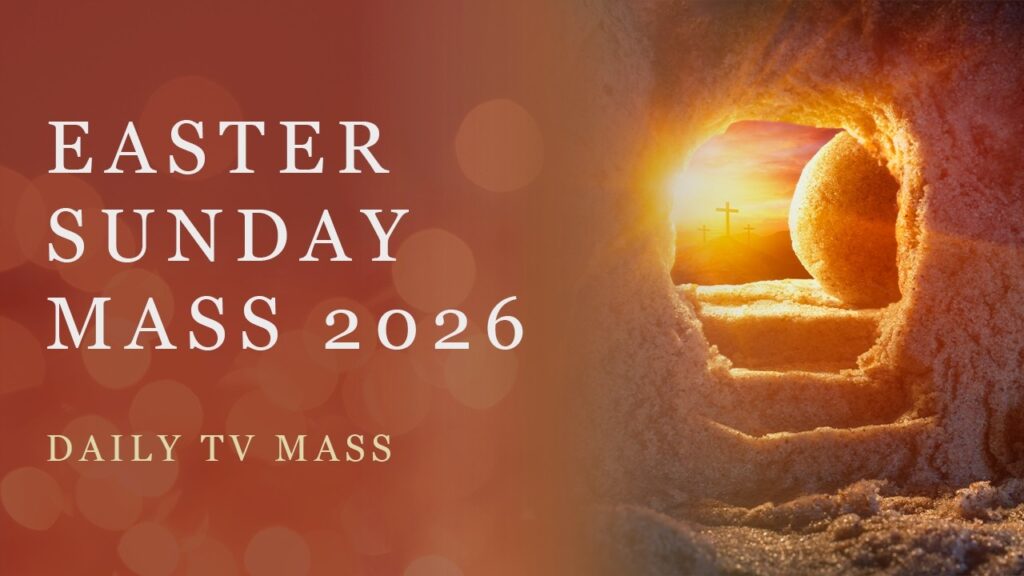
The traditional celebration of Easter has gone throw a big transformation as religious practices migrate from physical kneelers to digital screens. Easter used to be celebrated only in person, but digital services are now becoming very popular. This shift was largely speeded up by global lockdowns, forcing churches to adopt technology to to sustain their religious engagement through digital platforms. Today, livestreaming has evolved from a temporary fix and became a thing in permanent use.
Virtual participation offers an unique level of accessibility that traditional services often lack. Believers who are elderly, disabled, or living in distant areas can now engage with their faith from their homes. High-quality video or interactive chat features create a sense of belonging despite the physical distance. This digital evolution allows people to ‘visit’ famous cathedrals or join services in different time zones with just a single click.
However, this digital shift presents both opportunities and challenges for religious leaders. Church members have had to become more technology oriented creators which can also manage social media to reach younger generations. While some argue that online services lack the «sanctity» of physical presence, others see it as a vital tool for evangelism in a secular age. However, the home environment often brings many distractions that can make it difficult to stay focused during a whole online mass.
As we look toward the future, the hybrid model of faith practicing appears to be the new standard for Easter celebrations. Churches are increasingly investing in advanced broadcasting technology to provide a good experience for both in-person and remote attendees. This evolution ensures that the core traditions of Easter remain relevant in an increasingly digital world. The church is no longer just a building; it is a connected network for sharing faith.
