
One Degree, Two Systems: How University System Differs in Poland and Spain
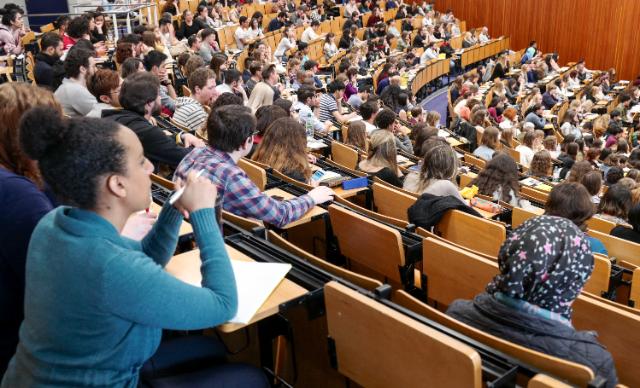
At first glance, the university system Poland vs Spain belong to the same European academic world. Both have public universities, both work within the ECTS system, and both prepare students for the same labour market but everyday student life looks very different in each place.
The difference is bigger than just language or location. It can be seen in tuition fees, the structure of classes, the rhythm of the day, and the way students move between theory and practice. Looking at these two universities side by side shows that higher education in Europe may follow the same formal rules, but still feel shaped by very different academic cultures.
Tuition fees in the university system Poland vs Spain
First visible differences appears between Spain and Polish system is cost of studying. In Poland, full-time studies at public universities are free for Polish students and many EU citizens, but part-time study or named also weekend study need to be pay. This creates a sense that higher education is widely accessible and part of a public system.
In Spain, the situation looks different. Public universities charge tuition fees, which are set by regional governments and usually range from around 700€ to 1 700€ per year for Bachelor’s degrees. Students in Spain often pay per ECTS credit, which means the total cost depends on how many courses they take and whether they pass them successfully. This makes studying in Spain not only a financial commitment, but also a system where academic performance directly affects the cost.

Structure of classes
Another difference is visible in how classes are organised. In Poland, subjects are usually divided into lectures and practical classes. Lectures focus on theory and are obligate to end with an exam, while practical classes, involve active participation and are frequently completed with projects or continuous assessment. This clear division helps students understand what is expected from each type of class. Every subject is once in week, sometimes once fot two weeks.
In Spain, the structure is less divided. Classes often combine theory and practice in the same session and two times a week. A teacher may introduce a concept and immediately ask students to apply it through discussion, group work or practical tasks. As a result, learning feels more continuous and interactive, rather than split into separate academic components.
The rhythm of the day: breaks or long blocks
Daily schedules also have noticeable differences. In Poland, classes usually last around 90 minutes and are separated by breaks. These pauses, although sometimes short, play an important role in the student experience. They allow time to move between buildings, review notes or simply rest before the next class.
In Spain, students often attend longer classes, typically around two hours, and these sessions may not include formal breaks. This creates a more intensive rhythm, where students stay focused on one subject for a longer period of time. For many international students, especially those coming from Poland, this can feel demanding at first, but it also allows for deeper immersion in the topic.
Flexibility and choosing groups
Polish universities often offer students a certain level of flexibility when it comes to organising their schedules. In many cases, students can choose between different groups for exercises or laboratories, depending on availability. This gives them the possibility to adapt their timetable to personal needs, such as part-time work or commuting.
In Spain, the system tends to be more fixed. Students are usually assigned to a specific group with a predefined schedule. While this reduces the need to organise a timetable independently, it also limits flexibility and requires students to adapt to a structure decided by the university.
Practice, projects and professional preparation
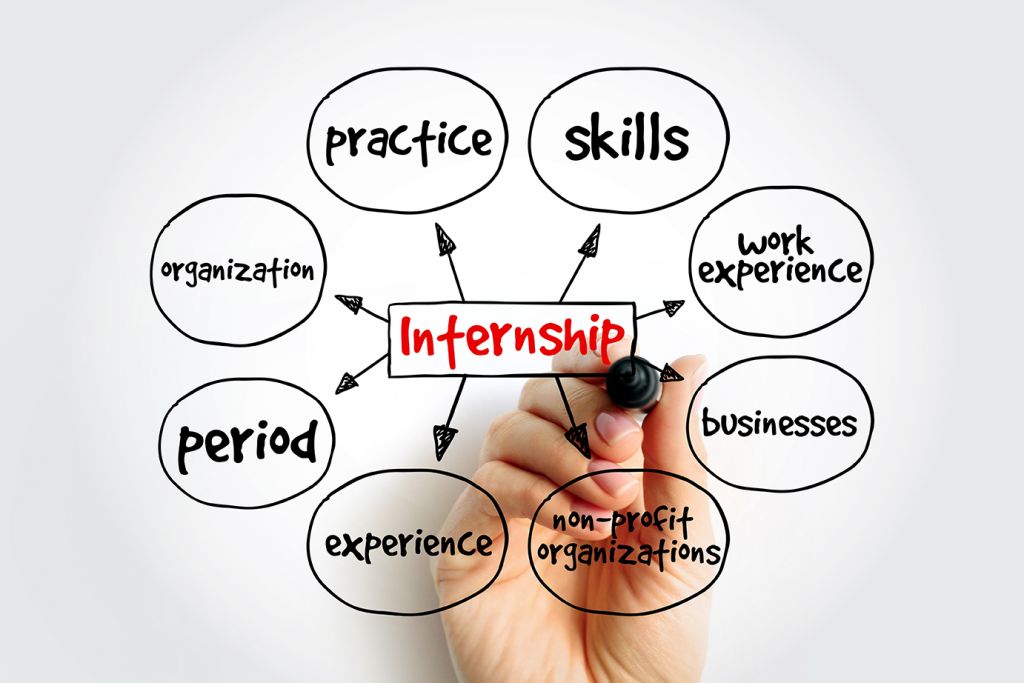
Both university systems aim to prepare students for the labour market, but they approach practical learning differently. In Poland, practical experience is often organised separately from regular classes. Students complete projects during exercises and, in many programmes, they are required to complete internships outside the university environment.
In Spain, practical elements are more often integrated into everyday learning. Courses frequently include applied tasks, case studies and group projects carried out during classes. In addition, students can take part in practicas, which are internships connected to their studies and supported by the university system, as described by the Spanish international education service SEPIE.
Autonomy or intensity?
Contrast between Poland and Spain system of higher education is best understood as a difference between autonomy and intensity. The Polish system gives students more space to organise their studies, choose groups and move between different types of classes. It encourages independence and time management.
The Spanish system, creates a more concentrated learning experience. Longer classes, stronger focus on practice make studying feel more immediate and immersive. Students are expected to engage actively during each session rather than divide their effort between different formats.
Both systems lead to the same European degree, but they shape students in different ways. Poland teaches how to navigate between theory and structured tasks, while Spain trains students to stay engaged, adapt quickly and work continuously. Neither approach is better they simply reflect two different academic cultures within the same European framework.
