Bilingual on Paper: Why Spaniards have problem with speaking english?
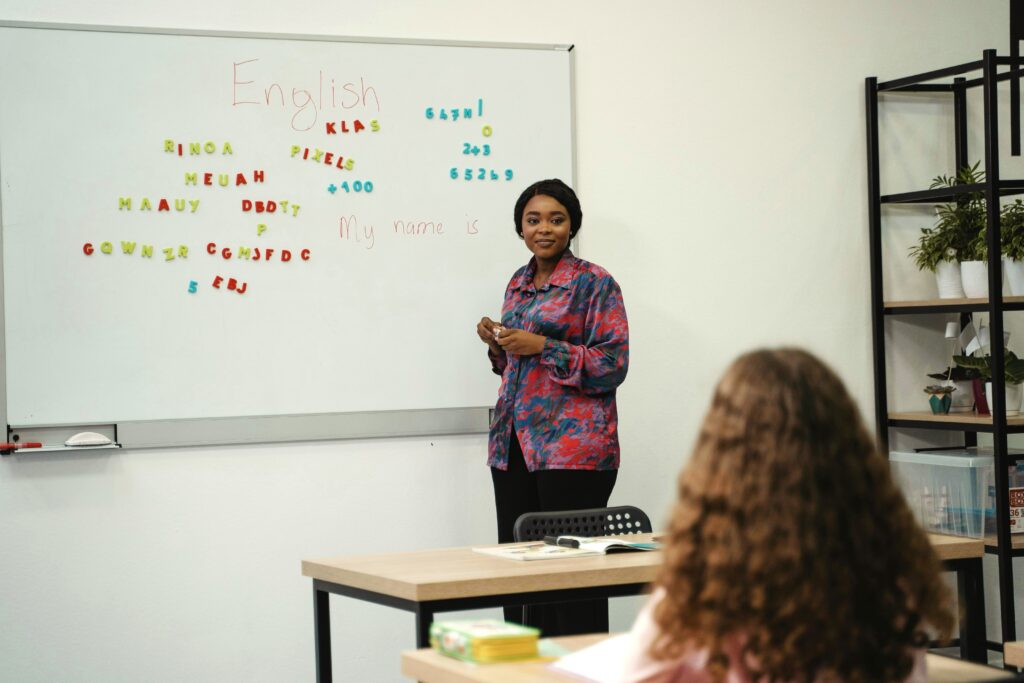
In a digital and globalized age, multilingualism has shifted from a rare talent to a fundamental necessity. Yet, despite welcoming 97 million tourists annually, Spain ranks a shocking 26th out of 37 European countries in English proficiency. This standing reveals a deep disconnect between the country’s economic development and its linguistic reality. The latest data from Education First highlights an urgent need to address this growing educational gap.
Why Spanish Students Can Read but Not Speak
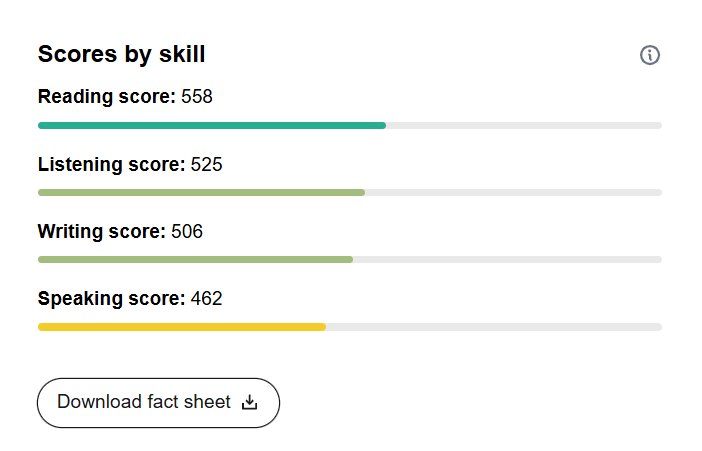
While the report indicates that Spain’s general English level is technically good—ranking 36th out of 123 countries globally—this statistic masks a deeper issue of why actual communication remains so problematic for many. The study points to a significant systemic flaw: lack of speaking skills that stands in frustrating contrast to high levels of reading comprehension.
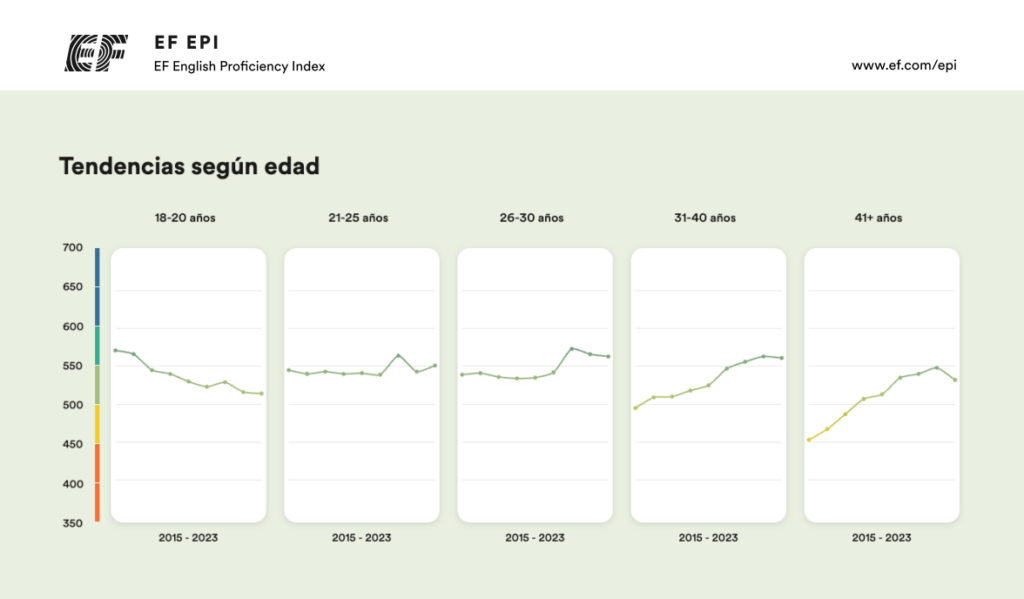
Most concerning is the declining proficiency among young adults aged 18-20, those currently finishing high school and starting university.In 2015, this group scored a respectable 571 points; by 2025, that figure has dropped to 519, signaling a clear downward trend in the education system’s output.
The Regional Gap
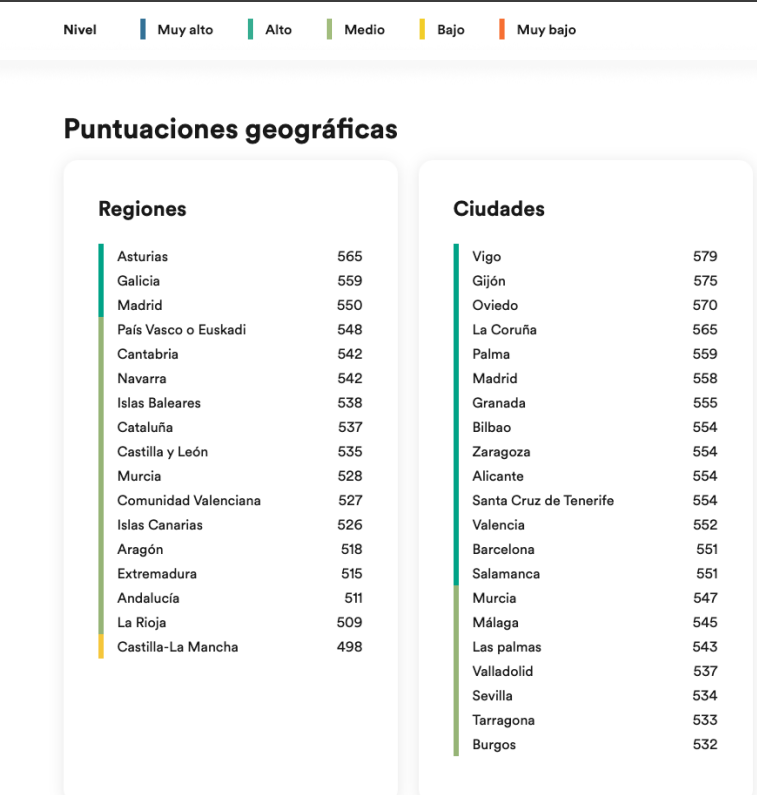
This national decline is most visible in the Castilla-La Mancha region, which currently holds the title for the worst English proficiency in the country. The low scores in this area stem largely from a lack of large urban centers; in rural schools, English levels remain significantly lower than in more connected regions like Galicia, which leads the country with 563 points. This regional disparity highlights an urgent need to modernize the system and bridge the gap between rural classrooms and national standards.
Why Students Don’t Use English Daily
The practical impact of this regional struggle is echoed daily by students at UCLM. Both native Spaniards and international students agree that effective learning usually happens in private language schools or through self-study, rather than in the public classroom.
Furthermore, English is rarely heard among peers outside of a school setting. Beyond the immediate pressure to pass exams, students seldom use the language in their daily lives—they rarely read English books or even watch films with in this language, a habit that further isolates the language from any practical, everyday use.
Theory Over Practice
Ultimately, these academic and social hurdles point toward apoorly adapted system and a teaching staff that feels increasingly ill-equipped to handle modern demands. Marina, a student at UCLM, notes:
,,I don’t think there is a problem with the region itself. I think the real problem is the teachers who don’t know how to explain the language properly.»
Her statement is backed by research suggesting that many teachers focus heavily on theoretical grammar while almost entirely omitting the practical aspects of speaking and listening, which are the areas where children struggle the most.
Knowing English vs. Teaching English
However, this lack of practical focus is not merely a failure of individual teachers, but of a system undergoing constant, disruptive modernization. Recent regulations for bilingual programs have created a massive demand for teachers with C1 certification who are expected to teach complex subjects like biology or physics in English, leading to severe staffing shortages.
Many teachers who did manage to quickly upgrade their linguistic qualifications learned how to speak English, but were never taught the specific methodology required on how to pass that knowledge on to their students.
How Castilla-La Mancha wants to solve this problem
The Castilla-La Mancha region aims to confront and rectify these challenges. They introduced the plan in faburary this year. The program is designed to transform the approach to bilingualism in regional schools andimprove the quality of English instruction. Consequently, the language certification requirements for teachers have been raised: B2 level is now required for preschool and primary school teachers, while a C1 level is mandatory for secondary education.
Furthermore, the plan introduces different levels of engagement, allowing schools to adapt to the specific capabilities of their staff and students. Depends on if the schhol begins to introduce subjects in English or needs more hours and subject to improve the language. In this way, students receive greater exposure to communicative competence.
A crucial aspect of the initiative is educational continuity, which seeks to prevent situations where a student completes primary school with a high level of English only to be placed in a general, non-bilingual class in high school. Schools are now required to ensure that students can continue their bilingual path and provide them with access to free language certification exams.
The Future of Spanish Fluency
Spain’s struggle with English proficiency remains a clash between high-level policy and classroom reality. While the country remains a mekka for tourists, its students are trapped in a system that rewards reading comprehension but neglects the art of conversation. In regions like Castilla-La Mancha, this gap is widened by a shortage of qualified staff capable of navigating the demanding new C1 requirements. There is a hope that with a new decreet the changes would resolute in better communicating in english for future spanish generations.
