
War in Iran Puts a Fragile Underwater Ecosystem at Risk
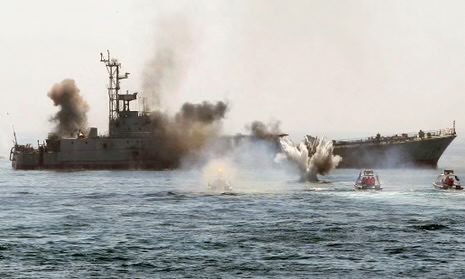
The escalating conflict involving Iran is not only reshaping geopolitics in the Middle East but also threatening one of the world’s most unique marine ecosystems. Beneath the surface of the Persian Gulf, a fragile underwater world is facing growing pressure from oil spills, military activity and environmental disruption. Scientists warn that the long-term consequences could outlast the war itself.
The Strait of Hormuz and surrounding Gulf waters are home to an extraordinary range of marine life, including coral reefs, sea turtles, dolphins and the critically endangered Arabian humpback whale. The region also hosts thousands of dugongs and more than 2,000 recorded marine species, making it one of the most biodiverse yet vulnerable seas on Earth.
One of the most pressing threats comes from oil pollution linked to attacks on tankers and energy infrastructure. CNN reports that even relatively small spills can spread quickly in the Gulf’s shallow waters, coating coastlines and damaging habitats. Greenpeace has repeatedly warned that oil exposure can be fatal to marine life, affecting reproduction, feeding patterns and overall survival rates, particularly for already threatened species.
Beyond oil spills, the conflict is introducing further environmental hazards. Naval operations, explosions and damaged vessels release toxic substances into the sea, while increased shipping traffic raises the likelihood of additional accidents. According to environmental analyses, such pollutants can persist for years, settling into marine sediments and continuing to harm ecosystems long after the initial contamination.
Environmental organizations warn that the long-term impact could mirror previous disasters, such as the 1991 Gulf War oil spill – one of the largest in history. With ongoing instability limiting coordinated cleanup efforts, the risk of irreversible environmental damage is increasing. As the conflict continues, scientists stress that the Gulf’s underwater world – rich, complex and largely unseen – may become one of the war’s most enduring casualties.
