
Why Sharks are Testing Positive for Drugs
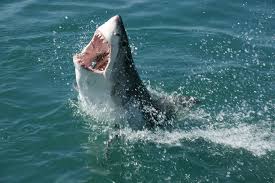
Environmental pollution caused by humans is becoming an escalating problem. However, the true scale of this phenomenon remains unknown to most. This is proven by a recent study conducted by Natascha Wosnick, a biologist at the Federal University of Paraná in Brazil. Her team demonstrated that the bodies of sharks in the Bahamas contain trace amounts of pharmaceuticals, caffeine, and illicit drugs.
The Hidden Contamination
The Bahamas were previously considered by researchers to be a region not significantly impacted by human activity. However, the studies conducted by these biologists prove that this view is now outdated. Research carried out in the Bahamas, the Caribbean, and Brazil indicated that shark specimens poisoned by drugs were found evennear the most remote islands.
Narcotics in their blood
Through the analysis of85 sharks, over 24 types of legal and illegal substances were detected in the animals’ systems. Furthermore 28 sharks had trace amounts ofcaffeine and medication in their blood. The most common substances were acetaminophen and diclofenac (the active ingredients in Tylenol and Voltaren).
Fault of humans
When asked about the cause of these dangerous substances appearing in wildlife, biologist Natascha Wosnick pointed primarily to divers and inefficient sewage treatment systems. Human urine and feces contain processed drugs, medications, and caffeine, which subsequently contaminate the animals. Additionally, illicit drugs may enter the water due to illegal smuggling and attempts to dispose of evidence by throwing cargo overboard.
Change in Behavior
Such amounts of the substance in sharks’ bodies are extremely dangerous. They can completely alter their behavior, such as swimming in tight circles or fixating on nonexistent objects. Some individuals lose their natural fear and swim unusually close to humans. Cocaine, by accumulating in sharks’ muscle tissue and liver, can lead to organ damage and hormonal disruption.
The final warning
Ultimately, these findings prove that our chemical footprint reaches even the most remote marine life. The contamination of apex predators signals a looming ecological crisis that demands urgent global action. We must realize that our waste does not disappear; it reshapes the very nature of our oceans. Protecting these waters is no longer optional-it is vital for the survival of the entire ecosystem.
