
Breakthrough Study Shows How Boosting Immune Cells Can Improve the Body’s Fight Against Cancer
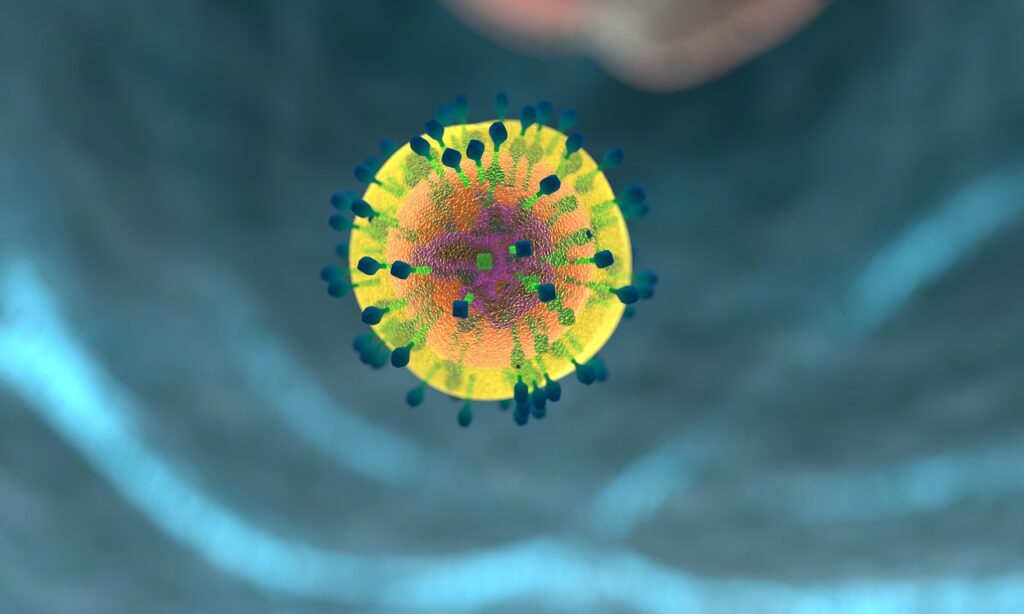
A growing body of research is reshaping the future of cancer treatment, with scientists increasingly focusing on the body’s own immune system as a powerful weapon against the disease. Recent studies suggest that enhancing immune cells, particularly T cells and natural killer (NK) cells, can significantly improve the ability to detect, target, and destroy tumors. This approach, known as immunotherapy, is rapidly emerging as one of the most promising strategies in modern oncology.
Immune Cells: The Body’s Natural Defense Against Cancer
The immune system is designed to identify and eliminate abnormal cells. However, cancer cells often develop mechanisms to evade immune detection, allowing tumors to grow unchecked. For example, tumors can suppress immune responses or disguise themselves to avoid recognition, making them particularly difficult to treat.
Research shows that strengthening immune responses can overcome this limitation. Scientists are now developing ways to “train” immune cells to better recognize cancer and respond more aggressively. This includes reprogramming immune pathways and enhancing signaling processes that activate anti-tumor responses.
A review of emerging therapies highlights how targeting both innate and adaptive immune cells can enhance anti-tumor activity and improve treatment outcomes.
Breakthrough: Engineering Smarter Immune Cells
One of the most important recent breakthroughs involves engineering immune cells to become more efficient at locating tumors. This is especially important in solid cancers, where immune cells often struggle to penetrate dense tumor environments.
A study from Stanford Medicine demonstrated that modified immune cells can detect metabolic signals released by cancer and actively move toward tumors. This significantly improved tumor control and survival in experimental models. Such findings suggest that improving the “navigation” ability of immune cells could be key to future therapies.
Similarly, new research shows that enhancing immune cell signaling pathways can make these cells more “ready to attack,” increasing their ability to destroy cancer cells more effectively. These approaches are helping scientists design more precise and targeted treatments.
Resistant Donor Cells: A New Frontier
Another promising development involves using immune cells from resistant donors. These cells appear to have a stronger natural ability to fight cancer, and scientists are exploring how they can be transferred or replicated in patients. This strategy may allow doctors to bypass weaknesses in a patient’s own immune system.
According to recent reporting, therapies using donor-derived immune cells have shown remarkable results, with some patients achieving long-term remission in clinical trials. In some cases, these responses have been sustained over extended periods, suggesting durable treatment effects.
This could represent a major breakthrough, particularly for patients who do not respond to traditional treatments. It may also open new pathways for personalized medicine approaches.
Fast-Acting Cancer Drugs and Combined Approaches
In addition to cell-based therapies, new drugs designed to boost immune responses are showing rapid effects. Some experimental treatments are reported to shrink tumors quickly by activating immune pathways and improving how the body recognizes cancer cells. These drugs often work by removing “brakes” on the immune system, allowing it to respond more aggressively.
Experts believe that combining these approaches engineered immune cells, donor-based therapies, and targeted drugs could dramatically improve survival rates and treatment success. This multi-layered strategy is increasingly seen as the future of cancer care.
The Future of Cancer Treatment
These findings mark a shift away from traditional cancer treatments such as chemotherapy, which directly attack cancer cells but often damage healthy tissue. Instead, immunotherapy focuses on empowering the body itself. This shift represents a more sustainable and patient-centered approach to treatment.
By enhancing immune cell function, researchers are addressing one of the biggest challenges in oncology: tumor resistance. Cancer can adapt and evade treatment, but a stronger immune response may be able to overcome these defenses. As a result, long-term disease control becomes more achievable.
Scientists believe that the future of cancer therapy lies in personalized and immune-based treatments. By understanding how different immune cells interact with tumors, researchers can design therapies tailored to each patient. This could significantly improve treatment precision and effectiveness.
Ongoing studies suggest that combining multiple immune-based strategies could lead to more durable and long-lasting responses, potentially transforming cancer into a manageable or even curable condition. As research continues, new breakthroughs are expected to further expand the role of immunotherapy.
While more clinical trials are needed, the evidence so far suggests that the immune system may hold the key to the future of oncology. If these developments continue, they could redefine how cancer is treated worldwide.
