
New Hope for a Widespread Condition
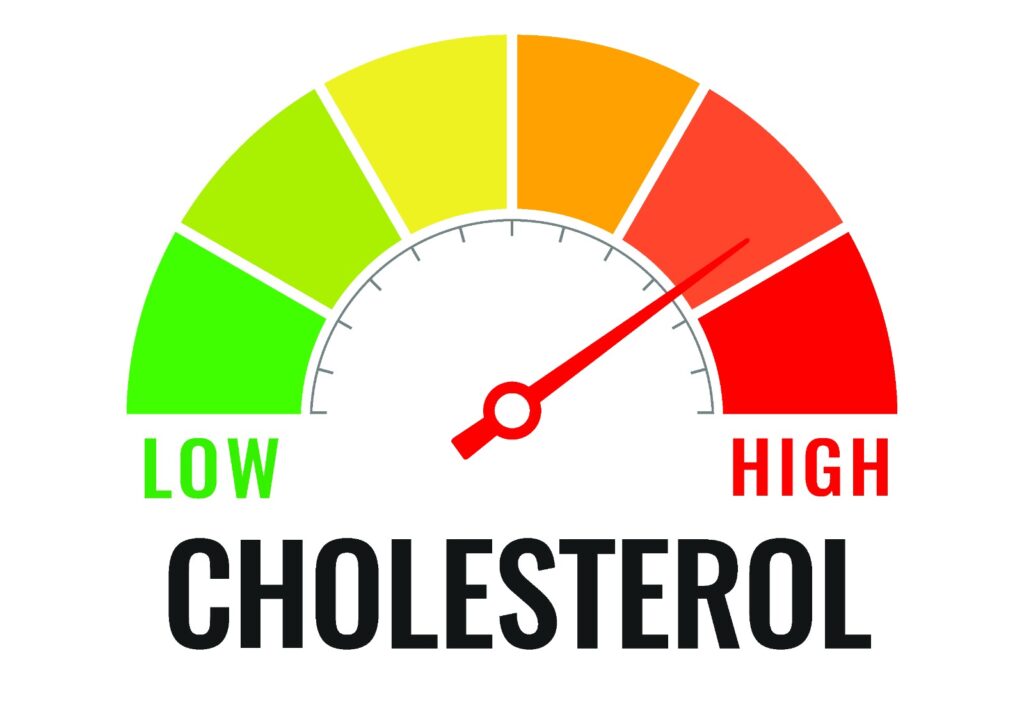
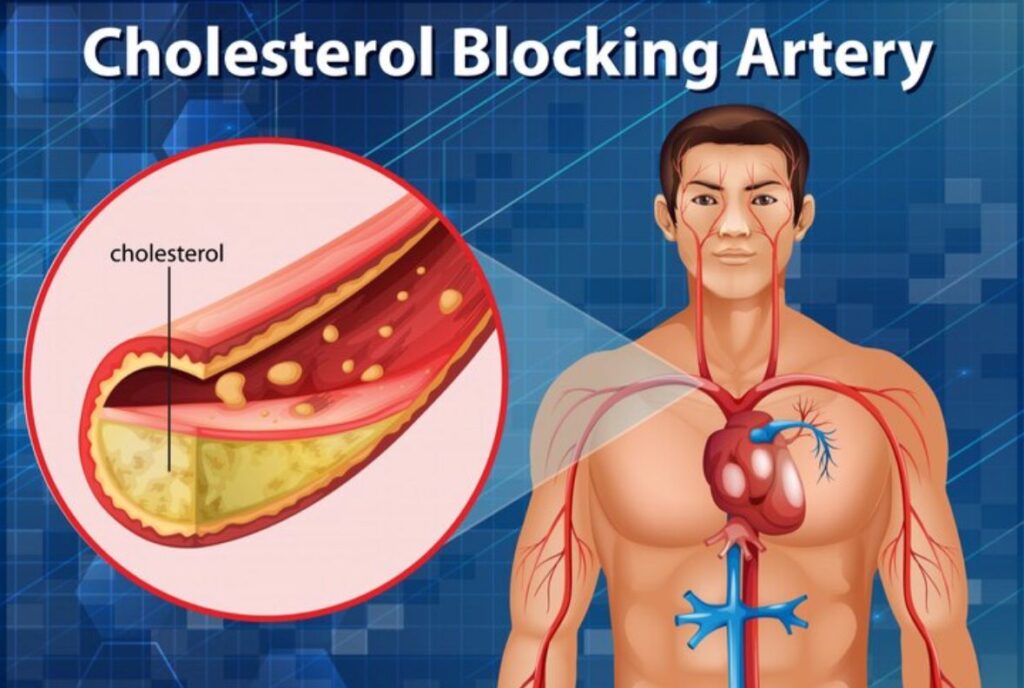
Scientists are developing a new approach to treating high cholesterol, focusing on familial hypercholesterolemia (FH), a genetic disorder that prevents the body from effectively removing low-density lipoprotein (LDL), or “bad cholesterol.” As LDL builds up in the bloodstream, it significantly increases the risk of heart disease. Affecting around 1 in 200 people worldwide, FH remains both widespread and underdiagnosed, making it a major global health concern.
Limits of Current Treatments
Current treatments, such as statins, work by increasing LDL receptors in the liver to help clear cholesterol from the blood. However, this method depends on properly functioning receptors, which are often impaired in FH patients. As a result, many individuals do not benefit fully from these therapies, highlighting the need for alternative strategies that go beyond traditional cholesterol removal methods.
.
Targeting Cholesterol Production
Instead of removing cholesterol, researchers are now focusing on reducing its production. Using liver-like cells derived from human stem cells, scientists identified compounds that lower apolipoprotein B (apoB), a key component required to form LDL particles. This reduction led to significant decreases in both cholesterol and triglyceride levels, offering a fundamentally different treatment pathway.

A Shift Toward Future Therapies
This new strategy bypasses the LDL receptor pathway entirely, making it especially promising for patients with genetic conditions. It also aligns with broader advances in cardiovascular medicine, including new oral drugs capable of dramatically lowering LDL levels. Although still in early stages, this approach could mark a major shift toward more precise and personalized cholesterol treatments.
