
Is Cancel Culture Activism or Aggression?
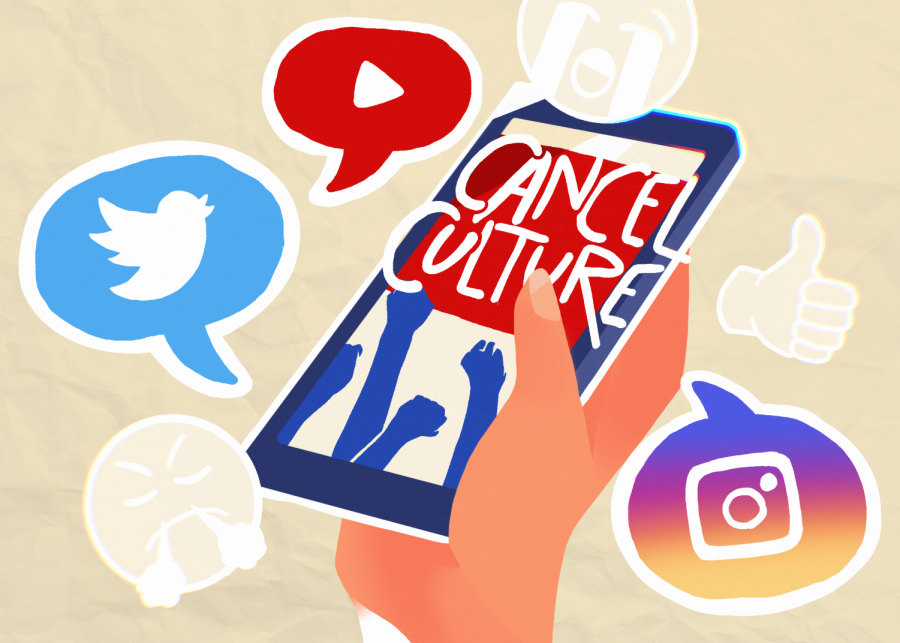
In the digital era, the problems has moved online. With a single post and a viral hashtag, public opinion can be swayed in an instant, turning a person’s reputation upside down with a simple #cancelled in the description. But as this practice becomes the new norm are we looking at a revolutionary form of social justice, or a dangerous evolution of online behavior?
Definition of cancel culture
But what exactly is cancel culture? The usage of word cancel in order to human beings in the internet started around 2015 in USA and now spreaded across the world.
The Encyclopedia Britannica describes cancel culture as losing a support of an recognizable individual and their work due to their opinion or action as other large amount of people publicly call them out.
This is a complicated phenomenon that has a lot of controversy around it. As it has as much of people that support as the one that criticizes it.
A tool for justice
One says that it’s a way of people to show their opposition and point out behaviors that are culturally unacceptable to a large group of people. Like the singer P Diddy that was largely canceled in social media due to allegation of illegal matters that ultimately let him to prison.
This example show cancel culture as an expression of normal citizens to bring justice to people of power when the police is not showing them results.
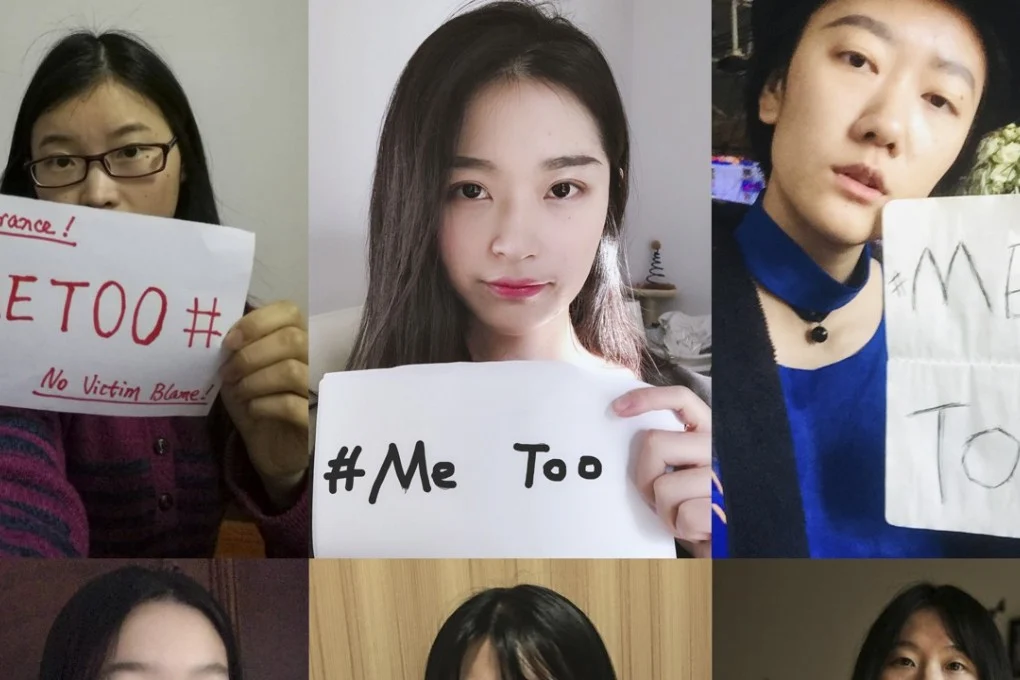
In that mater it is a way of online activism that was highlighted in movements like black lives matters or me too. Those public matters were moved in real life as well as in social media and by canceling individuals or even whole companies people felt a bit of sense of justice. That they took the matters into their own hands and changed the world, which is not entirely true.
Dialogue vs. Destruction
The most controversial part of cancel culture is a freedom of believes and freedom of speech. Because cancel culture became now a way to bully everyone that has other opinions that we do.
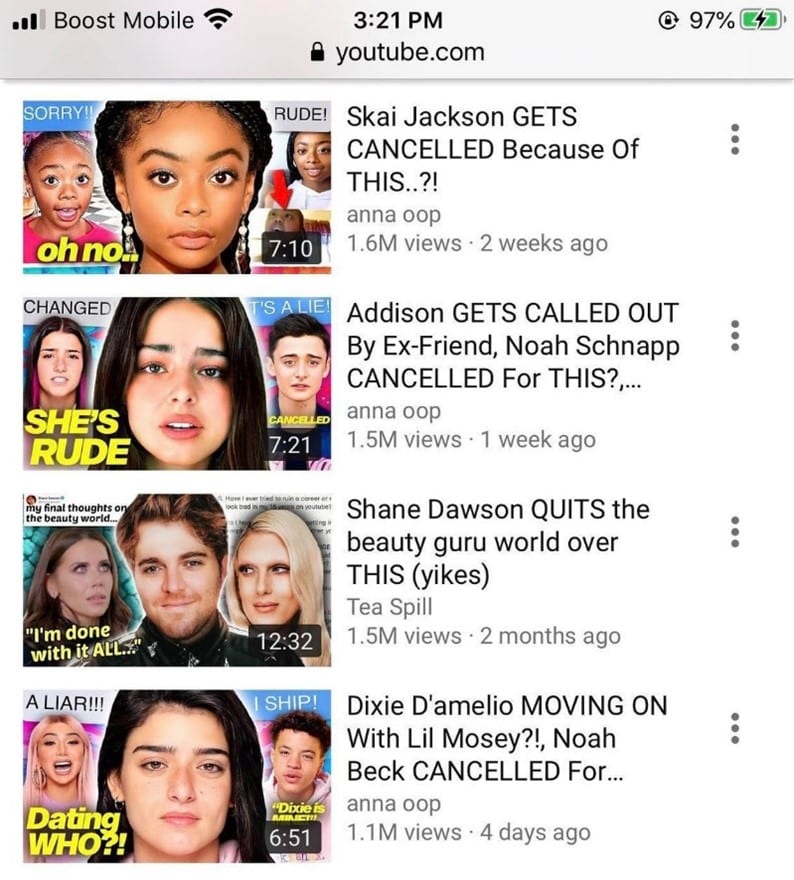
Canceling people for not agreeing to the norm of specific group of people that leads them to not only losing their popularity but also career damage. Like J.K. Rowling which opinion and action regarding trans gender people led her books and movies lose popularity.
As Suzanne More the journalist of The Gourdian said ,,This becomes yet another argument where to disagree with someone is said to erase them».
Because one thing is to debate and exchange different views but other is trying to completely stop someone’s activity in the internet or in their career. This happened in the large case of divorce of Johnny Deep and Amber Heard that ended her acting career.
Are they victims?
From the other side this tool is also used by famous and high-power people to show that they are victims of the wrong system instead of admiting to a mistake. They don’t want to accept that as public figures their actions outside of their usual jobs matters and people can criticize them and stop supporting them when they want without their will.
Finding a Middle Ground
Ultimately, cancel culture remains a double-edged sword that reflects our struggle for accountability in the digital age. While it empowers the marginalized to demand justice against systemic abuse, it simultaneously risks becoming a tool for performative outrage and social silencing. The challenge lies in finding a balance: a space where we can uphold social standards without sacrificing nuance or the possibility of redemption.
