
How Food Delivery Apps Are Changing Eating Habits
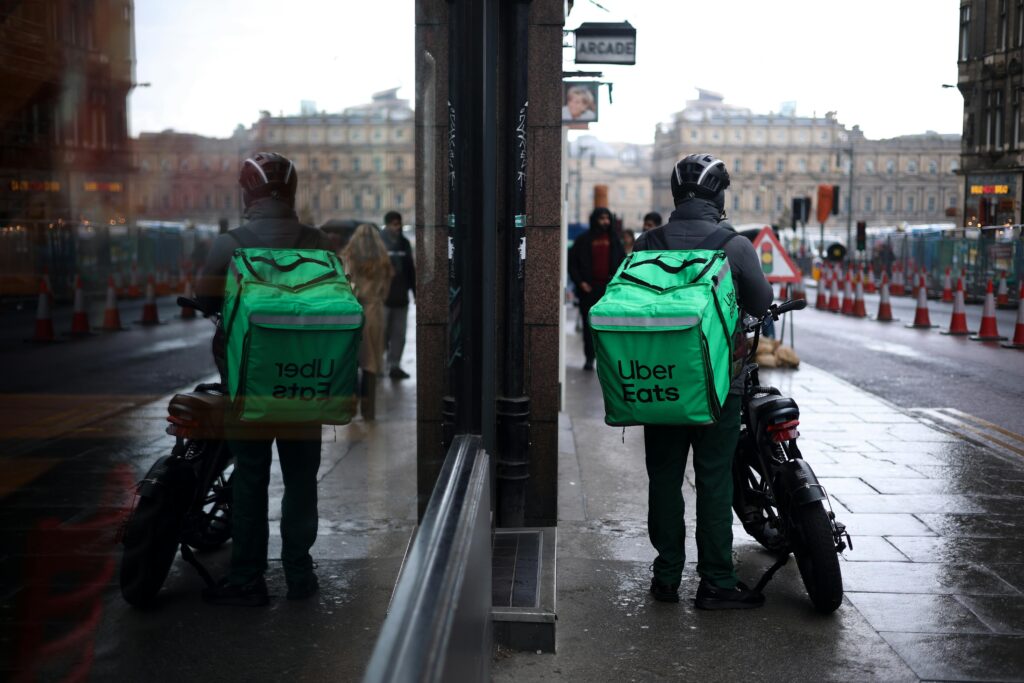
Food delivery apps have become one of the most visible examples of how digital technology is transforming everyday life. In recent years, platforms such as Uber Eats, Glovo, and Deliveroo have significantly expanded across cities, making it possible for users to order meals from hundreds of restaurants within minutes. As a result, the traditional relationship between people and food, once centered on home cooking or dining out, has shifted toward on-demand consumption driven by convenience and speed.
The Expansion of a Digital Food Economy
The rapid growth of food delivery apps reflects a broader transformation in consumer behavior and the global economy. According to Statista, the online food delivery market is projected to surpass $1 trillion globally by 2027, demonstrating how central these platforms have become in everyday consumption patterns.
Moreover, research by McKinsey & Company suggests that more than 60% of consumers now order food online at least once a week, indicating that digital ordering is no longer occasional but part of a routine.
This growth is also supported by urban lifestyles, where busy schedules and limited time encourage people to prioritize efficiency over traditional meal preparation. Consequently, food delivery apps are not simply tools, they are shaping a new digital food economy.
Changing Eating Patterns and Consumer Behavior
However, the widespread use of food delivery apps is also influencing how, when, and what people eat. Instead of planning meals in advance, many users now make spontaneous decisions based on app recommendations, discounts, or notifications. For example, personalized algorithms suggest meals based on previous orders, which can reinforce certain eating habits over time.
In addition, frequent reliance on delivery services has been associated with a decline in home cooking. This shift may reduce people’s control over ingredients and nutritional value, especially when meals are ordered from fast-food or high-calorie options. As a result, eating becomes less structured and more reactive, shaped by digital prompts rather than personal planning.
Furthermore, the availability of food at any time of day has contributed to irregular eating schedules. Late-night orders and impulsive consumption patterns are becoming more common, particularly among students and young professionals. Therefore, food delivery apps are not only changing what people eat, but also the timing and rhythm of daily meals.
Health Implications and Industry Response
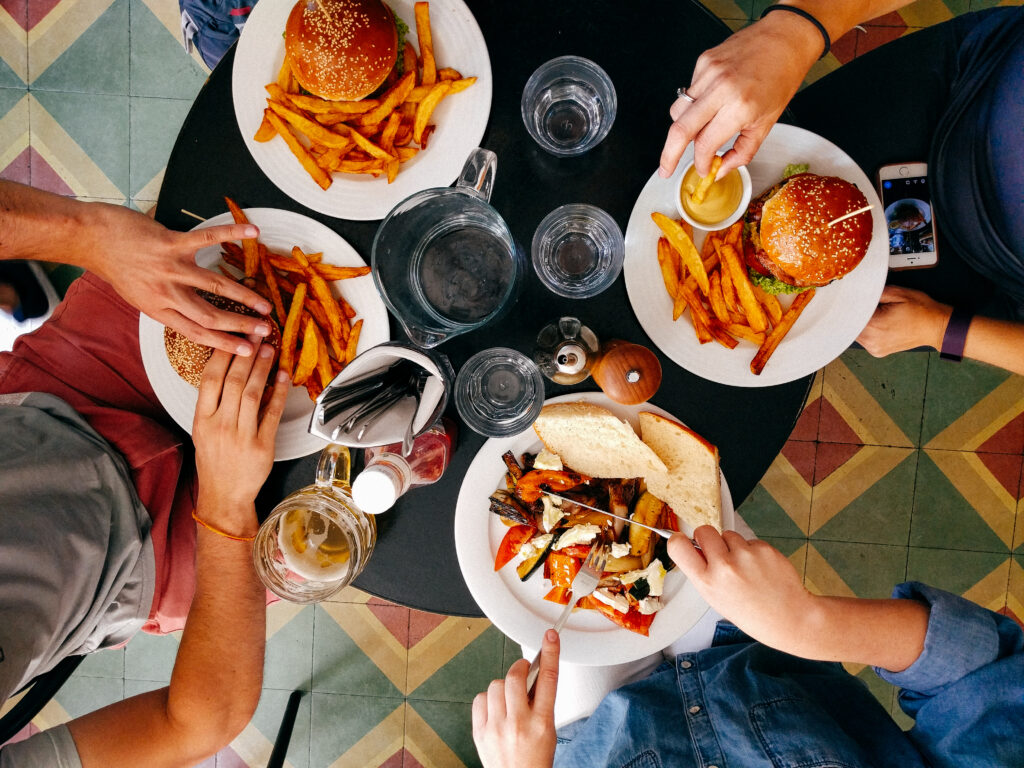
Despite the benefits of convenience, experts have raised concerns about the long-term health effects of these changes. According to World Health Organization, unhealthy diets are among the leading risk factors for global health problems, including obesity and cardiovascular diseases.
However, the industry is beginning to respond to these concerns. Many platforms now provide calorie information, healthier menu options, and filters for dietary preferences such as vegan or low-calorie meals. In this sense, food delivery apps are evolving to balance convenience with increasing consumer awareness of health and nutrition.
Nevertheless, it can be argued that the responsibility still largely falls on users. While technology offers choices, it also amplifies habits, both healthy and unhealthy.
A Transformation of Food Culture
Food delivery apps are also reshaping the structure of the restaurant industry itself. The rise of “ghost kitchens”, restaurants that operate exclusively for delivery without physical dining spaces, illustrates how digital demand is transforming traditional business models. Restaurants are now designing menus specifically for delivery, focusing on meals that travel well rather than those intended for inperson dining.
Moreover, technology plays an increasingly important role in this transformation. Artificial intelligence is used to predict demand, optimize delivery routes, and personalize recommendations. As a result, the entire food experience from selection to consumption is becoming more data-driven and automated.
Conclusion
Food delivery apps have undeniably made eating more accessible, flexible, and convenient. However, they have also introduced new patterns of consumption that affect health, routine, and decision making. While these platforms continue to grow and evolve, it is clear that they are not just changing how people order food they are fundamentally reshaping eating habits in the digital age.
