
Nvidia Expands Power in the AI Infrastructure Race

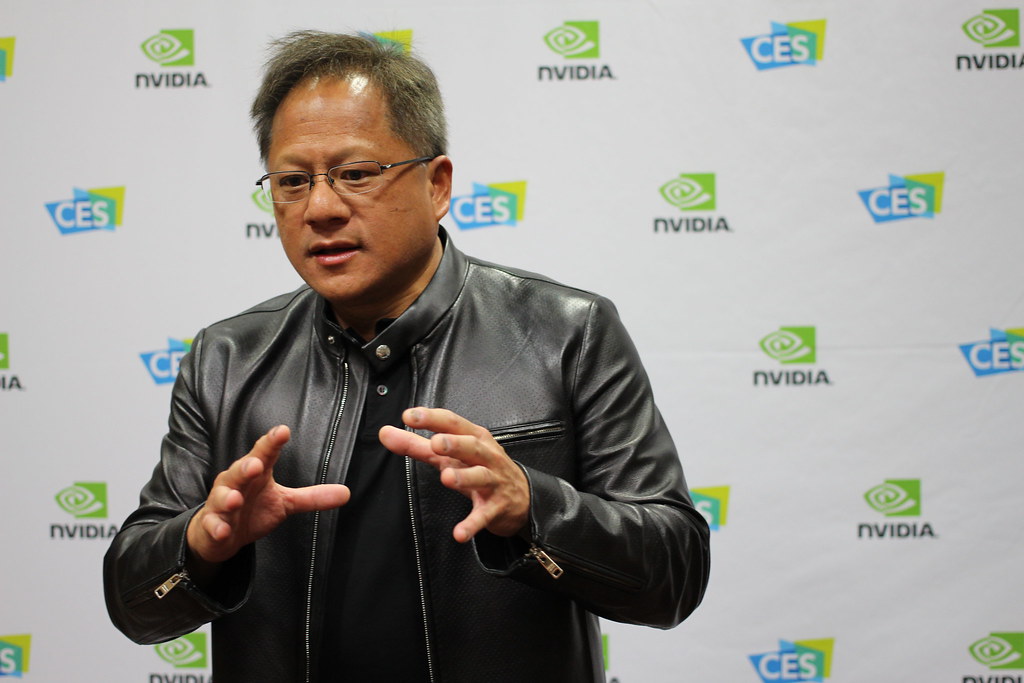
Nvidia strengthened its leadership in the sector by introducing next-generation artificial intelligence chips and infrastructure systems. CEO Jensen Huang announced new AI infrastructure solutions during the GTC 2026 event.This projection reflects not only technological progress but also the rapidly expanding role of artificial intelligence in multiple industries, including journalism, finance, healthcare, and automation. The company also stated that the market for AI chips and data center systems could exceed $1 trillion.
From Chips to AI Factories
The technologies introduced include Blackwell- and Rubin-based chips, the Vera CPU, and integrated data center solutions. Nvidia positions these products not just as hardware, but as end-to-end AI infrastructure systems it describes as“AI factories”. This approach highlights the company’s transition from a chip manufacturer to a comprehensive AI infrastructure provider. Also systems are designed to deliver higher performance, efficiency, and scalability compared to previous generations. In particular, Nvidia’s Blackwell architecture is expected to significantly enhance AI model training and inference capabilities, while Rubin-based systems aim to push the boundaries of high-performance computing.
Rising Demand and Market Expansion
Huang emphasized that global demand for AI chips and infrastructure is rapidly increasing. According to the company, the total revenue opportunity in this field could surpass $1 trillion. This growth expectation is largely driven by increasing demand for Blackwell and Rubin architectures, as well as the expansion of data centers worldwide. As organizations continue to adopt AI-driven solutions, the need for powerful and reliable infrastructure becomes more critical..

Intensifying Competition in the AI Economy
Overall, Nvidia’s expansion into AI infrastructure demonstrates a significant shift in the industry. The company’s strategy positions it not only as a hardware manufacturer but also as one of the key infrastructure providers shaping the global AI economy.
