
Longest Train Routes: Are They Still Necessary?
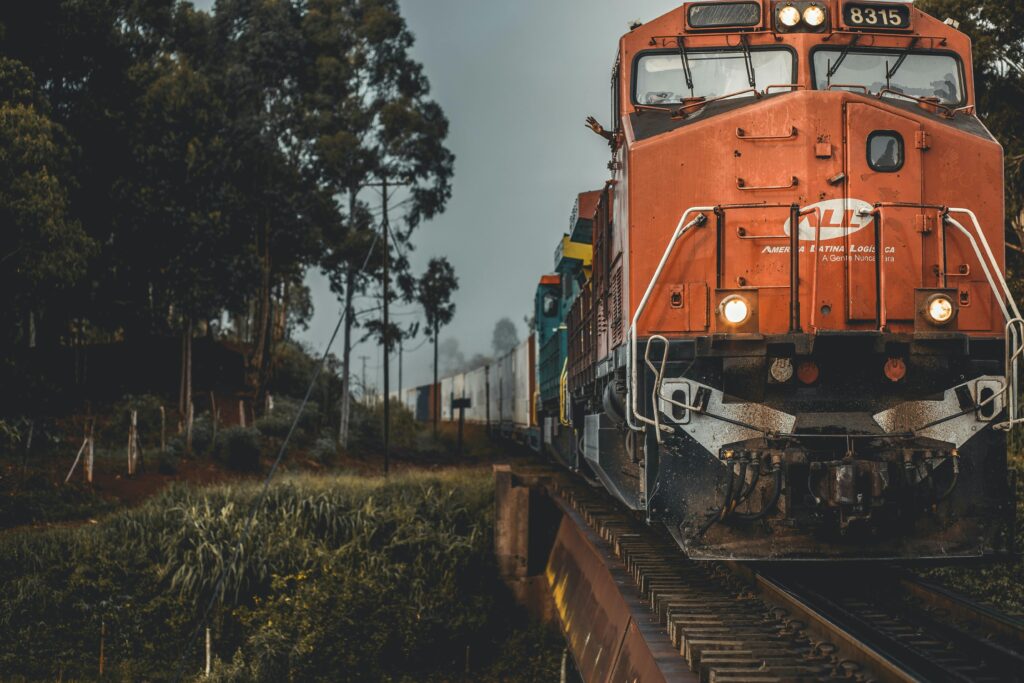
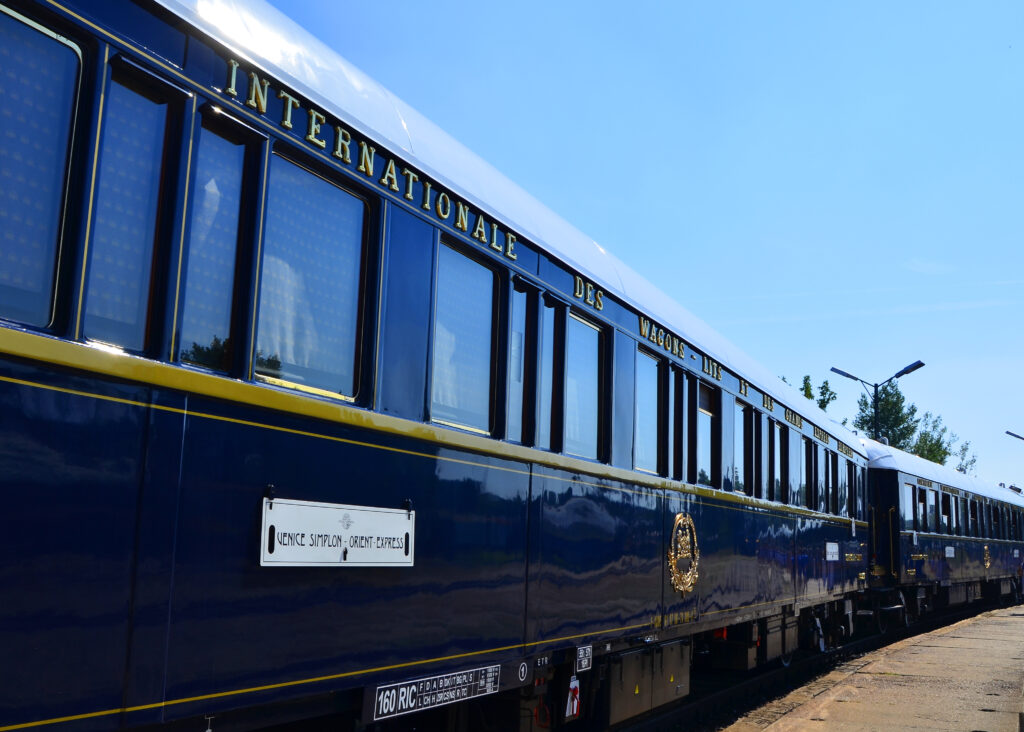
Some of the longest train routes in the world connect cities across entire continents. These railways were originally built to improve transportation between distant regions and to support trade and mobility. One historical example in Europe is the Orient Express, which linked Istanbul and Paris in the late 19th century. The train passed through several European cities such as Vienna and Budapest and became one of the most famous international railway routes. According to historical records, the Orient Express began operating in 1883 and connected major European capitals.

Long-Distance Train Routes Around the Worl
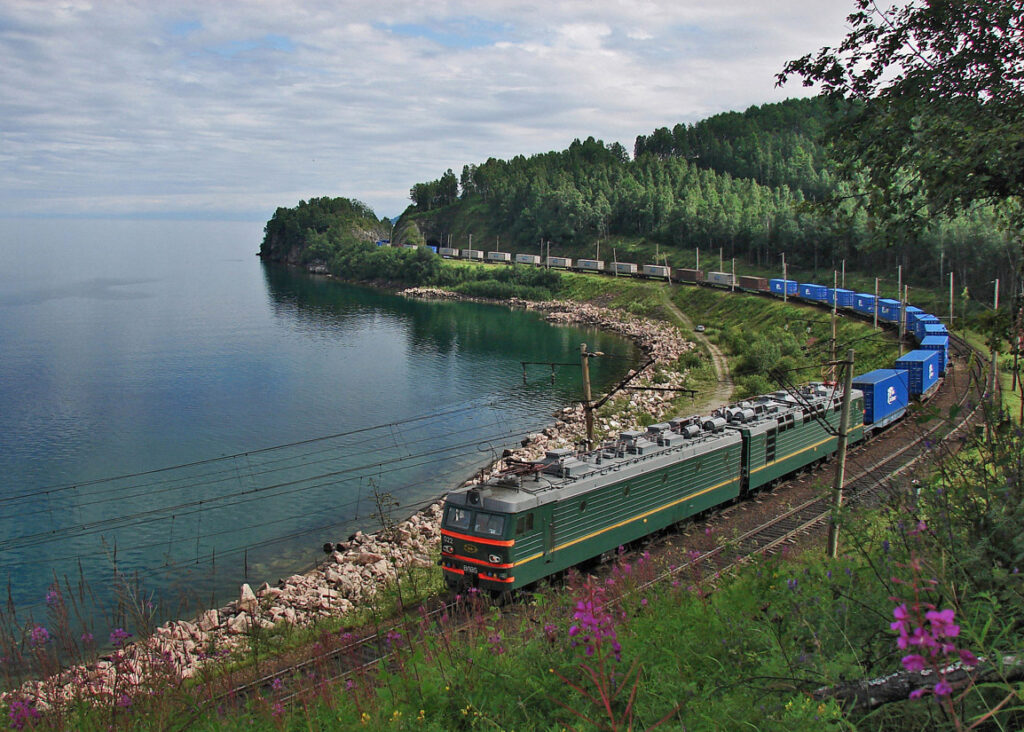
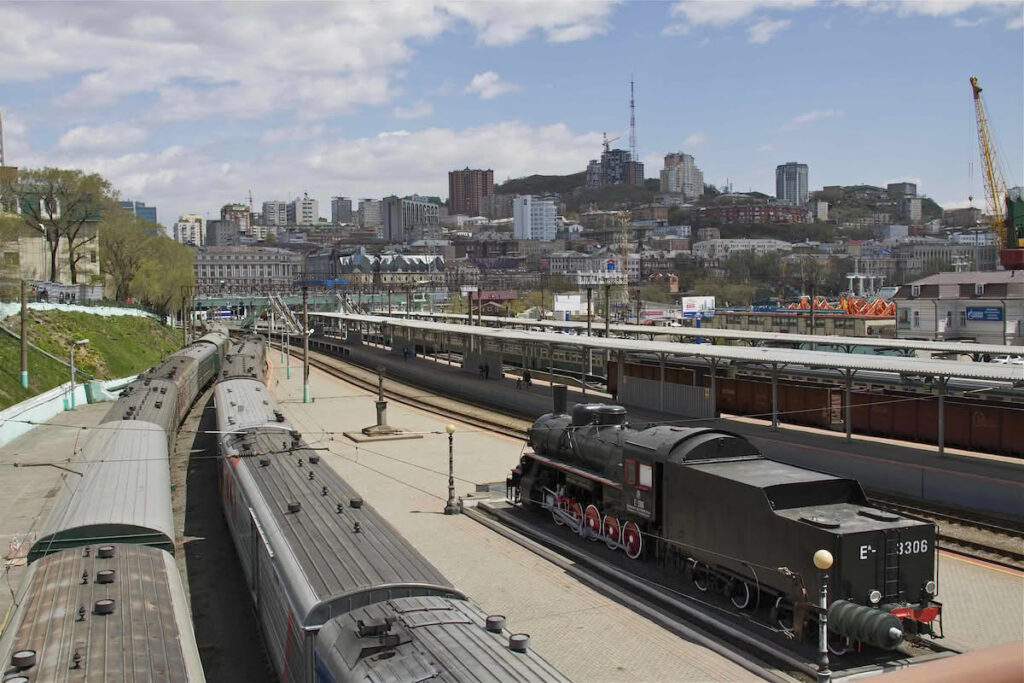
Beyond Europe, several train lines are even longer. One well-known example is the Trans-Siberian Railway, which runs from Moscow to Vladivostok in Russia and stretches more than 9,000 kilometers. The trip can take almost a week and crosses multiple time zones. Another long-distance route is The Canadian, which connects Toronto and Vancouver in Canada and covers around 4,400 kilometers across the country. Railway data shows that these lines are among the longest passenger train routes in the world.

Long Rail Journeys in Asia
In Asia, long-distance train travel is also common. The Shanghai–Lhasa railway route connects eastern China with Tibet and is known for crossing high-altitude regions. Journeys on this route can take more than 40 hours and pass through very different landscapes and climates. Transportation sources list this route among the longest continuous passenger rail journeys in Asia.
Although these routes cover very long distances, many passengers only travel part of the journey rather than the full route. Still, these railway lines remain important connections between major cities and regions, and they continue to operate as part of international and national transportation networks.
