
More Than Just Colors: Understanding Holi festival
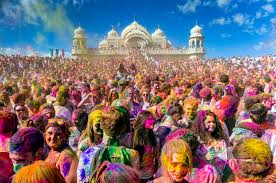
When traveling, many venture beyond the search for mild weather, pristine beaches, and breathtaking mountains; often, they also seek to immerse themselves in local traditions, cultures, and festivals that differ from their own. This week provides a perfect opportunity for that. In India and Nepal, from March 3rd to 4th, individuals observe Holi, also known as the Festival of Colors, which is renowned globally.
The History and Significance of Holi
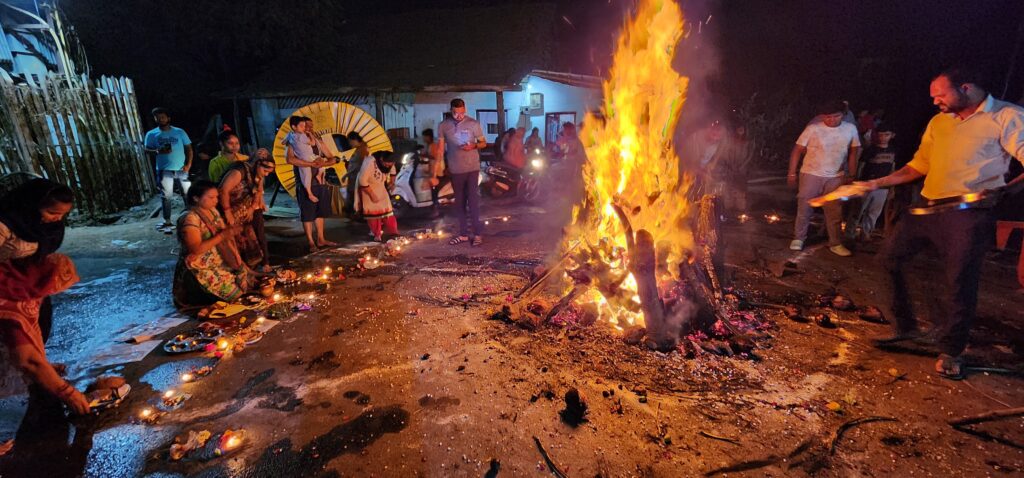
The timing of the festivities is linked to the Hindu calendar. The first night, March 3rd, is called Holika Dahan. While this event once solely symbolized the victory of good over evil, it is now associated with the arrival of spring, releasing the past, and embracing new beginnings. This night is rooted in th legend of Prahlad and Holika, which recounts how the young devotee Prahlad survived multiple assassination attempts by his tyrannical father, the demon king Hiranyakashipu, due to his unwavering devotion to Lord Vishnu. The narrative culminates with the defeat of his malevolent aunt, Holika, who perished in a fire while attempting to kill Prahlad—a testament to the ultimate triumph of righteousness. Because of this legend, crowds gather around bonfires to sing and dance through the night.
Joy in Every Color
The main celebration begins on March 4th. Across India and Nepal, throngs of revelers take to the streets to commemorate joy and goodness. It is one of the rare occasions where societal barriers—caste, class, age, and gender—dissolve; participants focus solely on enjoying life, throwing vibrant powders known as gulal at one another while dancing and singing. Gulal is traditionally crafted from natural ingredients such as dried flowers, turmeric, beetroot, and starch. Each color carries a specific meaning: red reflects love and passion, yellow is associated with knowledge and health, and pink signifies happiness and joy. Beyond the colorful powder, participants enjoy a variety of traditional dishes designed for sharing, such as Gujiya or Malpua.
Regional Variations
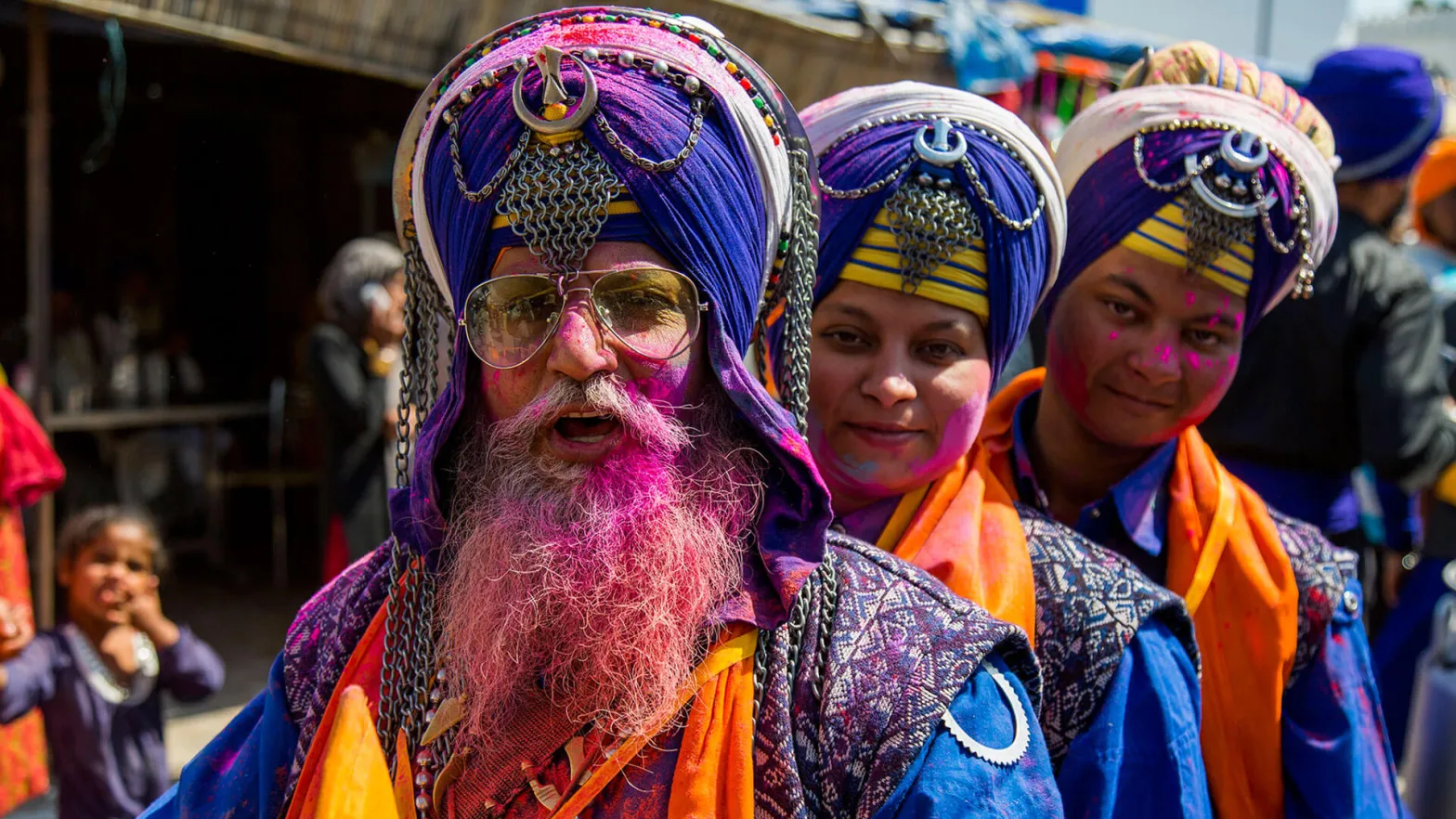
Holi is observed in distinct ways depending on the Indian state you visit. Festivities are particularly lavish in the Braj region—the heart of Uttar Pradesh—specifically in Vrindavan. As the birthplace of Lord Krishna, this city serves as the epicenter of the festivities, with streets coming alive with vibrant hues and resonant chanting. Another unique experience can be found in Mathura, Uttar Pradesh, where, in addition to the explosion of color, you might witness a tradition involving women playfully striking men with sticks. In Anandpur Sahib, the festival takes on a completely different character, lasting three days instead of two. Men gather in blue robes and turbans, wielding traditional swords to demonstrate martial arts. While this is now primarily a display of heritage, it originally served as a practical excuse for military training. Therefore, if you plan to attend, research your destination carefully to ensure your expectations align with the local customs.
The Festival of Colors is a remarkable holiday. It is cherished not only for the vibrant powders that bring smiles to faces or the delicious traditional food, but for its power to unite people regardless of their background. This is precisely why, although primarily observed in India, the holiday has been adopted in countries like Mauritius, Germany, the United States, and Guyana. Ultimately, that is the essence of this festival: to connect with those you care about and celebrate with joy.
