
Spanish Meals vs. Polish and Turkish Habits: A Cultural Shock for Students
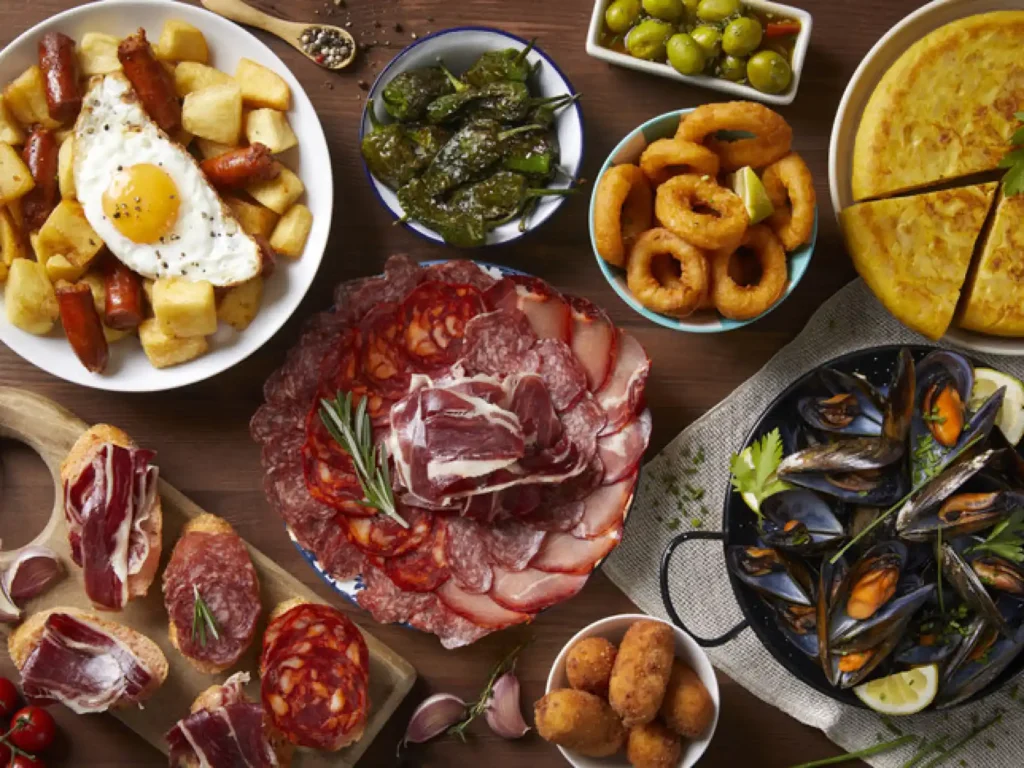
For many Polish and Turkish people who are starting their long term stay in Spain, daily eating habits come as an unexpected cultural experience. While Spain is well known for its Mediterranean diet, the timing of meals and the presence of the traditional siesta make Spanish food culture very different from that in Poland and Turkey. These differences have a big influence on a daily life rhythm for people from eastern Europe.
One of the most noticeable differences is dinner time. In Spain, dinner is usually eaten between 9:00 and 10:30 p.m. – much later than in Poland and Turkey, where people usually eat their last meal between 7:00 and 8:30 p.m. In Spain dinners are often very valuable and they include warm dishes such as rice, meat, or pasta. This late dinner schedule might be a cause of the siesta, which is a midday break between 2:00 and 5:00 p.m. It usually shifts daily activities and pushes evening routines to a later hour.
The siesta allows people to rest during the hottest part of the day and return to work or daily activities later. Although not everyone sleeps, many businesses close for a few hours, and people use this time to relax, eat lunch, or spend time with family. In contrast, in Poland and Turkey, the workday usually continues without such a long break, which leads to finishing work and eating meals earlier in the evening.
Breakfast habits can also be a little bit different. In Spain, breakfast is often small and light, usually consisting of coffee with toast or a croissant. Meanwhile, breakfast in Poland and Turkey is typically more filling, including eggs, cheese, vegetables, and bread. Adapting to the Spanish rhythm of late dinners, light breakfasts, and the midday siesta is showing us students how strongly food habits are connected to climate, culture, and lifestyle.
