
Digital Tourism Gentrification: The End of the Airbnb Era?
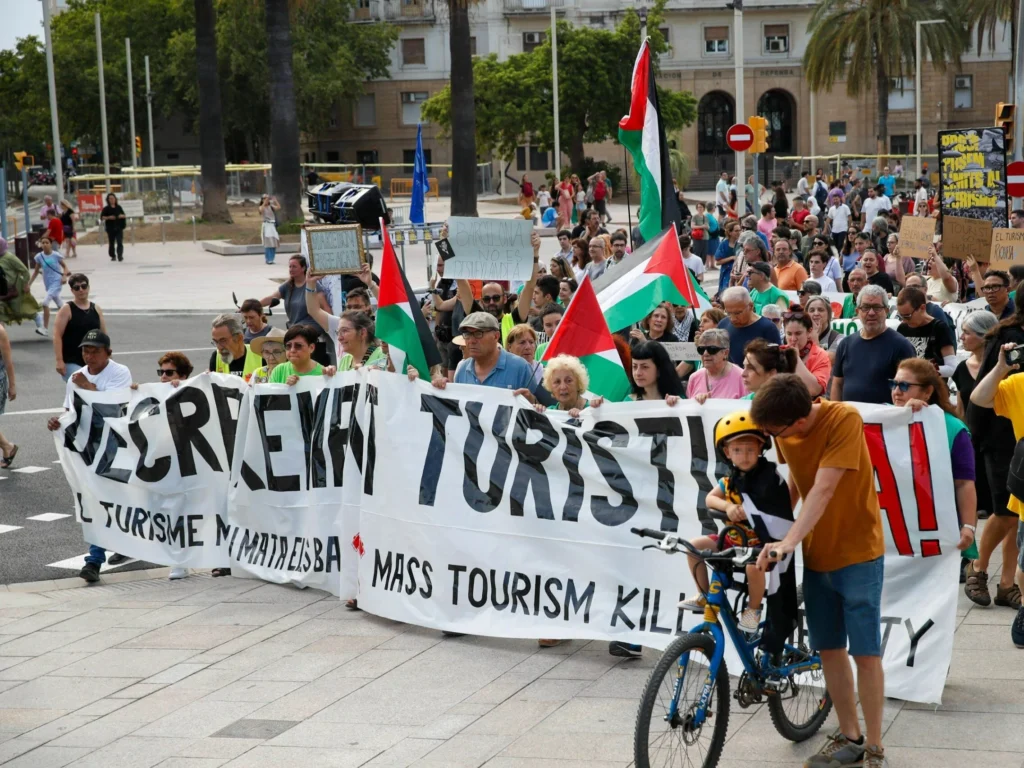
In Spain, tourism gentrification is not a new phenomenon. This process, also is called «touristification,» happens when local residents are forced to leave their homes because of rising prices caused by too many tourists. This often leads to the loss of local identity and a lower quality of life for the people living there.
Airbnb vs Local Residents
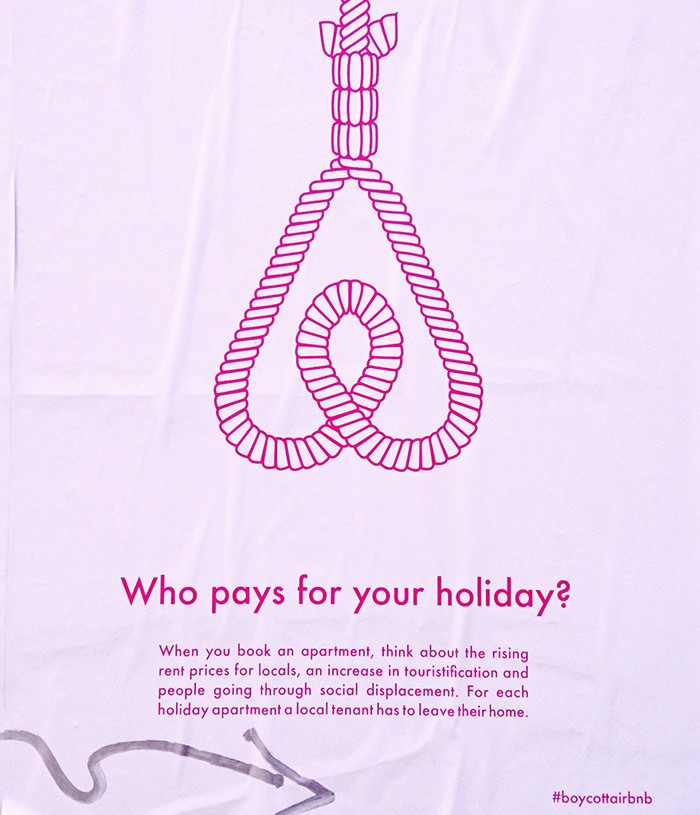
Platforms like Airbnb, which offer short-term rentals, have significantly speeded up this process. Apartment owners are tempted by higher profits from tourists compared to long-term tenants. As a result, they end many rental agreements with locals, making gentrification worse. Today, this problem affects not only city centers but also the outskirts.
From Empty Apartments to the Death of Local Shops
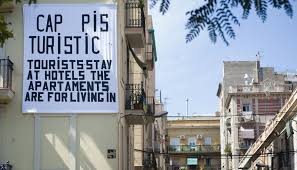
The impact of Airbnb in Spain is very serious. People living in big cities like Madrid or Barcelona often have to spend over 60% of their average salary on rent. This causes a lot of frustration. Furthermore, local shops are being replaced by cafes, restaurants, and souvenir shops.
«Rents are so high that many people eventually have to move to another district or outside the city. Tourism gentrification is moving forward»
Data shows that in historic areas like Seville, Malaga, or Palma de Mallorca, there are now more tourist beds offered by digital platforms than there are local residents.
Record Numbers
The year 2025 was a record-breaking year for Spanish tourism. The country welcomed 97 million foreign tourists, which is 3.5% more than in 2024. Forecasts for 2026 suggest that Spain will receive over 100 million tourists. This traffic is not spread evenly; tourists gather in the most famous spots. In Barcelona, there are over 150 tourists per year for every one resident. This «overtourism» causes traffic jams and damages historic monuments.
An Economy Based on Tourism
The country’s economy depends on tourism, which accounts for about 13% of the annual GDP. However, the Spanish government is starting to see a problem with the «quantity over quality» model, as tourism has become «toxic» for its citizens.
From Protests to «Touristophobia»
In 2025, social dissatisfaction turned into organized resistance. Movements like «Canarias tiene un límite» were formed, which means „The Canaries have a limit”. There have been incidents where residents sprayed tourists with water or blocked streets to show their anger. Residents emphasize that they are not protesting against people, but against a system that destroys their homes. Their slogan, «Your luxury, my drama» highlights the seriousness of the situation. Their goal is to reduce tourism and return apartments to local residents.
The Tourist’s Perspective: The Reaction from Poland
Although Spain is the top destination for Polish tourists, visitors are starting to feel the local anger. On social media, more people are sharing stories about being treated coldly or seeing «Tourists go home» graffiti. Some Poles are not aware of the scale of the housing problem in Spain. However, others are choosing hotels instead of Airbnb to avoid contributing to the problem. Additionally, the Polish travel industry is promoting trips during the «off-season» to avoid negative feelings from local communities.
Radical Decision Regarding Short-Term Rentals
In 2026, the government in Madrid is taking new steps to reduce gentrification. Barcelona has announced a plan to completely eliminate tourist apartments by 2028 by not renewing their licenses. Other cities are introducing entry limits, extra taxes on short-term rentals, or bans on selling property to foreigners who do not live in the region.
Spanish tourism is starting to change because of social pressure. Residents are showing resistance because they want to win back their cities. They want to remind everyone that a city is, above all, its local community.
