
Uber Plans Unmanned Taxi Expansion by 2026: A Turning Point in Urban Mobility
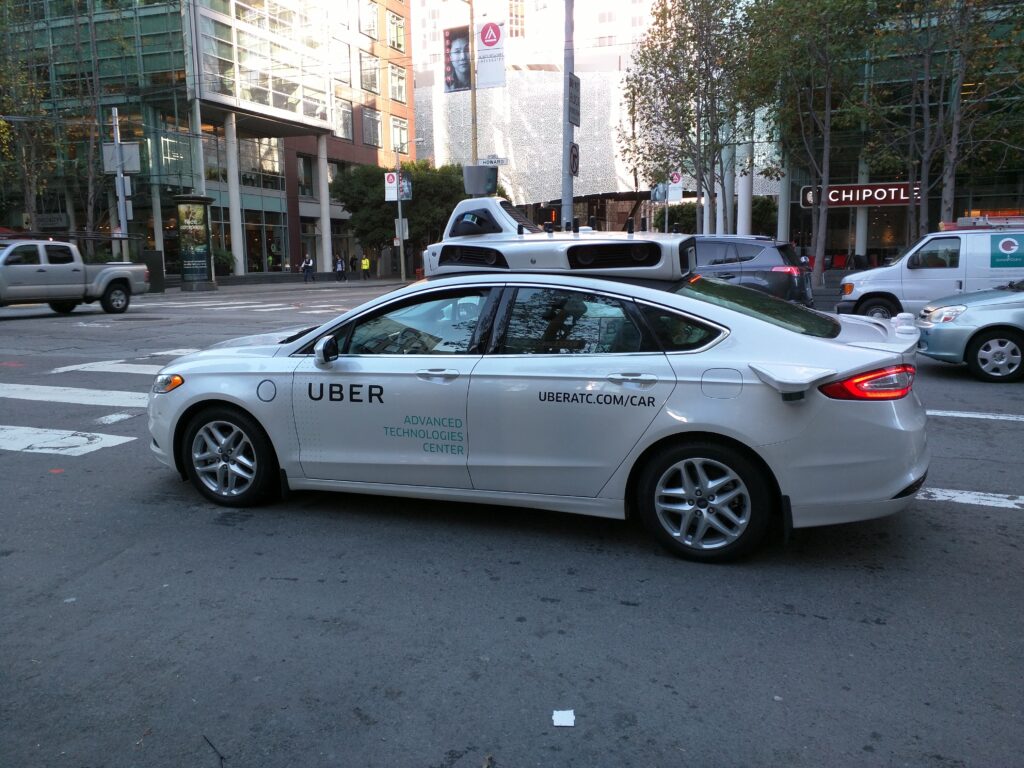
Uber is accelerating its shift toward autonomous mobility, aiming to launch driverless taxi services in more than 10 cities by the end of 2026, signaling a major transformation in urban transportation. This move reflects not only a technological upgrade but also a structural change in how mobility services are produced, managed, and consumed in the digital age.
A Global Rollout of Robotaxis
Uber is moving aggressively into the autonomous vehicle market, with plans to deploy unmanned taxis in over 10 cities worldwide by 2026. The company is also targeting expansion to as many as 15 cities globally, reflecting growing demand for automated mobility solutions and the increasing normalization of AI-driven services in everyday life.
Madrid has been identified as one of the key European launch cities. The Spanish capital is expected to host one of Uber’s first large-scale robotaxi deployments, marking a significant milestone for autonomous transport in Europe. This choice is not coincidental; Madrid offers a dense urban structure, strong tourism flows, and a growing openness to smart-city innovations, making it an ideal testing ground for autonomous systems.
Beyond Europe, Uber’s strategy indicates a broader global ambition. Cities in North America and Asia are also expected to play a central role in early adoption, especially those with supportive regulatory environments and advanced digital infrastructure. This suggests that the future of mobility will not emerge evenly, but rather through selected urban hubs that act as technological pioneers.
Partnerships Driving the Technology
Instead of developing its own self-driving systems, Uber is building a network of strategic partnerships. The company is collaborating with firms such as Nvidia, Wayve, Nissan, and Lucid to integrate advanced artificial intelligence and vehicle technology.
For example, Uber’s partnership with Nvidia focuses on AI-powered autonomous systems, with large-scale deployments expected from 2027 onward. Meanwhile, collaborations with Nissan and Wayve aim to launch pilot robotaxi programs in Tokyo by late 2026.
This partnership-driven model allows Uber to scale faster while minimizing the risks and costs associated with in-house development.
Infrastructure and Investment
To support its autonomous fleet, Uber has committed over $100 million to building charging infrastructure across major U.S. cities, including Los Angeles, San Francisco, and Dallas. These investments are essential for ensuring operational continuity, especially as most robotaxis are expected to be electric vehicles.
The development of infrastructure goes beyond charging stations. It also includes data systems, fleet management tools, and urban integration mechanisms that allow autonomous vehicles to interact with traffic systems and city regulations. In this sense, infrastructure becomes both physical and digital, reflecting the hybrid nature of modern mobility systems.
In addition, Uber is working with manufacturers to deploy tens of thousands of autonomous cars in the coming years. This large-scale approach indicates that the company is not experimenting at the margins, but preparing for a fundamental transformation of its business model.

Opportunities and Challenges
The introduction of unmanned taxis offers several potential benefits. Autonomous vehicles could reduce accidents caused by human error, lower transportation costs, and improve efficiency in urban mobility.
However, significant challenges remain. Regulatory approval is one of the biggest barriers, as governments must ensure safety before allowing large-scale deployment. Public trust is also a concern, with users questioning safety, privacy, and the impact on employment in the transport sector.
A Competitive and Uncertain Future
Uber’s expansion comes amid strong competition from companies like Waymo, Tesla, and Zoox, all racing to dominate the robotaxi market. Each of these companies follows a different strategy, from Tesla’s vertically integrated approach to Waymo’s highly controlled deployment model.
Uber’s advantage lies in its platform-based strategy. By integrating multiple technologies rather than building its own, the company can adapt quickly and scale efficiently. However, this also means that it depends heavily on its partners, which may create vulnerabilities in the long term.
From a theoretical perspective, this development reflects the idea that technology is not neutral, it reshapes economic structures and power relations. In a network society, power operates through the control of data and infrastructure. Platforms like Uber are not just transportation services; they are becoming central actors in the organization of urban life.
Conclusion
Uber’s plan to expand unmanned taxi services by 2026 represents a major step toward fully automated urban transportation. While challenges remain, the rapid pace of innovation suggests that autonomous vehicles could soon become a normal part of everyday life.
