To protect the children: how Europe is restricting social media
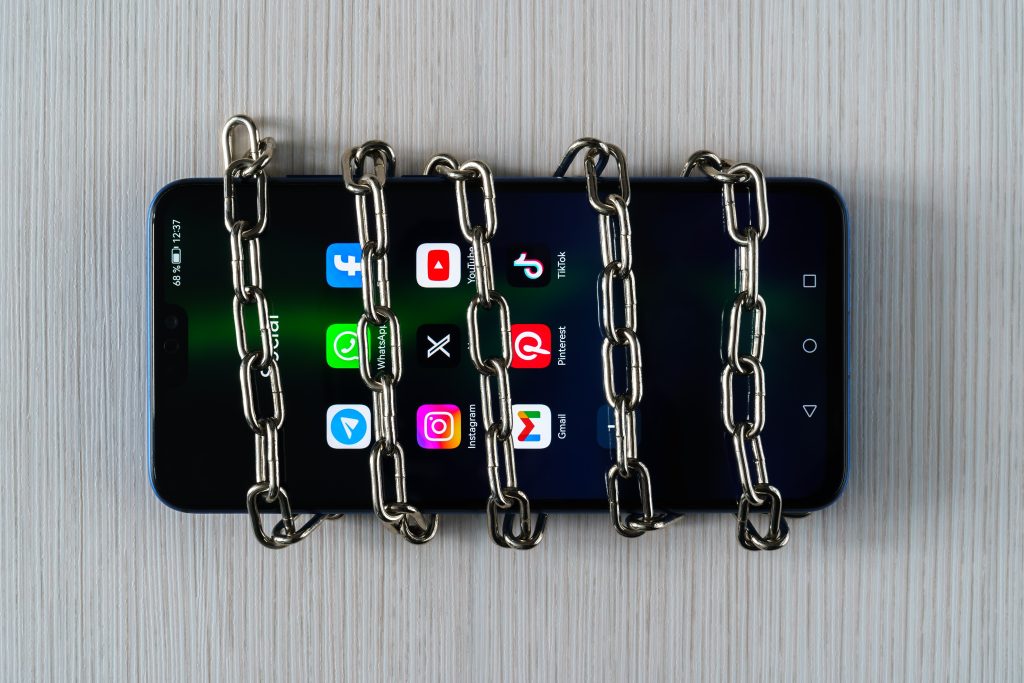
Spain’s plan to restrict minors’ access to social media has prompted a public conflict between Prime Minister Pedro Sánchez and Elon Musk. Sánchez announced proposals to ban social media use for children under 16 and require platforms to implement real age-verification systems to protect minors from harmful content. Musk’s reaction was strongly critical, arguing that such actions could increase government control over online communication and limit freedom of expression.
The government of Spain has defended its proposals by pointing to rising concerns about teenagers’ mental health, addiction, and exposure to harmful online content. Officials argue that existing protections are no longer enough and that platforms must take more responsibility for the safety of young users. Spanish leaders have also discussed introducing stricter age verification systems and limiting access for minors during school hours, presenting these measures as necessary to protect public health. However, critics warn that such actions could reduce young people’s digital freedom and give the state too much influence over online activity.
Countries like France and Greece are considering tighter controls, but they tend to focus more on parental supervision tools and platform accountability rather than strict access limits. At the same time, the European Union has already introduced regulations requiring platforms to better protect minors and reduce harmful content. In contrast, Poland has taken a more moderate approach, focusing mainly on education and prevention. Polish policymakers have emphasized digital literacy programs in schools, encouraging students to use social media responsibly, and promoting stronger cooperation between parents, teachers, and platforms instead of introducing direct bans or heavy restrictions.
Outside Europe, Australia has already adopted one of the world’s strictest laws, banning social media access for users under 16 and requiring platforms to actively prevent minors from creating accounts. Companies that break the rules must pay large fines, shifting responsibility from parents to technology firms. This example is closely watched internationally, including in Spain, as governments search for effective ways to balance youth protection with digital freedom.
