
The Middle East Conflict: The Impact of Regional Tensions on Global Travel
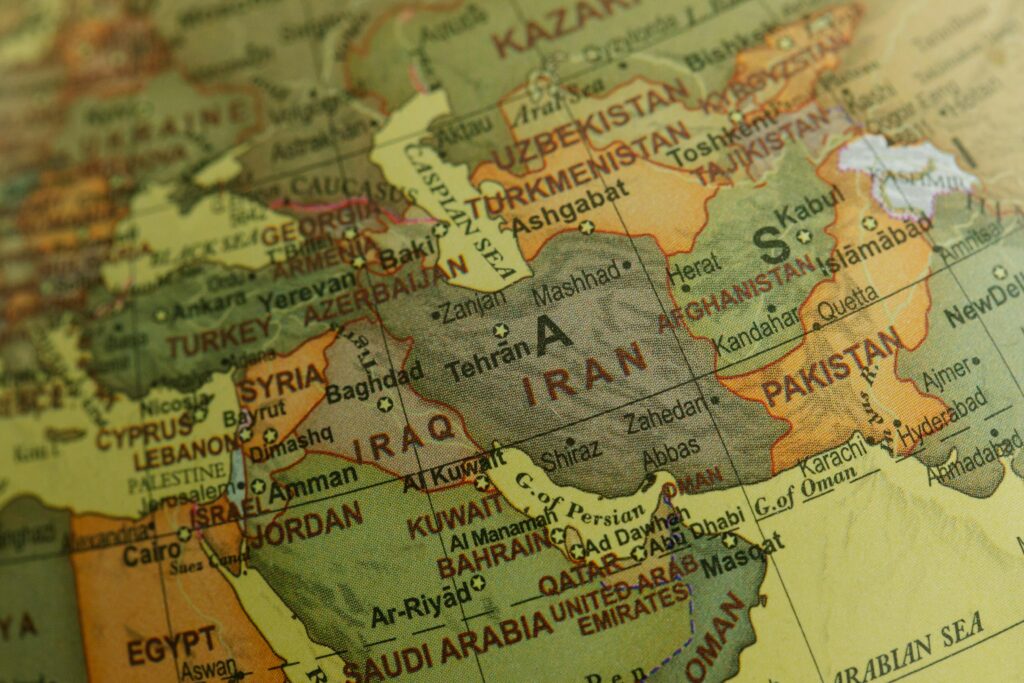
Military operations in the Middle East have shaken many aspects of people’s lives around the world. For it does not only concern the conflict between the USA and Israel versus Iran. Lebanon, Syria, Iraq, Yemen, Saudi Arabia, Qatar, the UAE, Bahrain, and Kuwait are also affected by this growing regional conflict. But the war affected also Europeans that now has a problem to come home.
Disruption of global aviation hubs
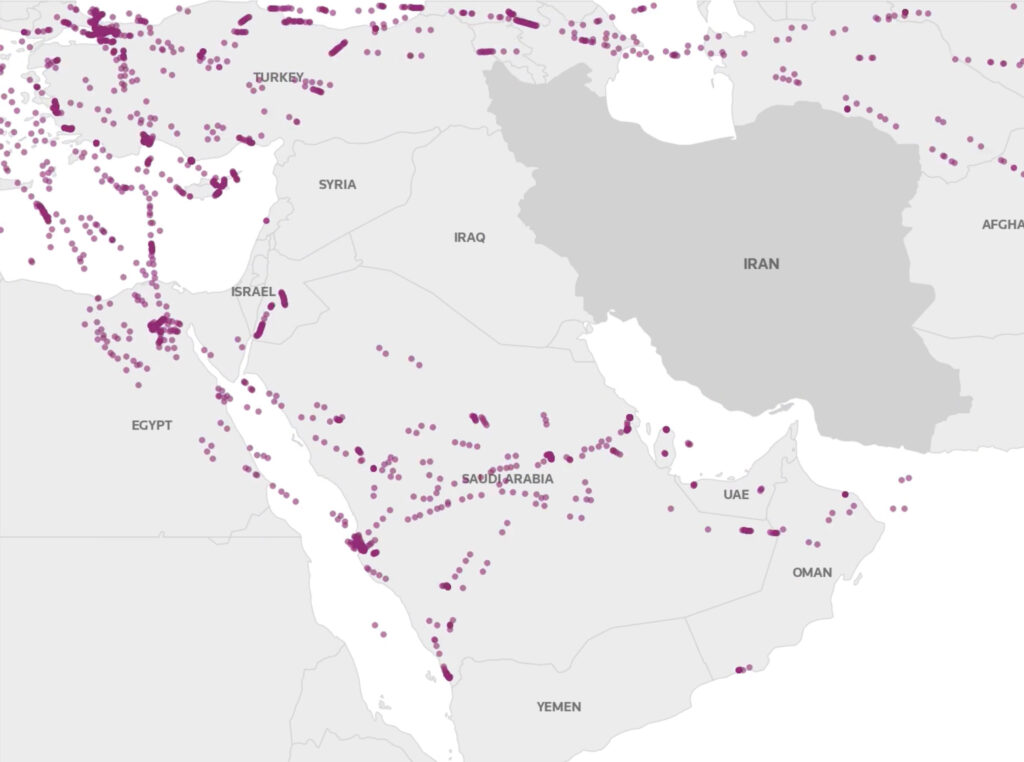
Due to the closure or restriction of airport operations and airspaces in countries covered by military clashes, a major destabilization of all flights has occurred. For this reason, according to Flightradar24 data, approximately 3,400 flights disappeared from schedules across seven airports. The closure of major aviation hubs in Dubai, Abu Dhabi, and Doha paralyzed the world’s three largest carriers—Emirates, Qatar Airways, and Etihad—which collectively serve about 90,000 passengers a day.
Actions to bring Europeans home from Middle East
However, the most important task for European Union countries currently is getting their citizens out of the threatened zones. Although the total number of Europeans staying in the Middle East is unknown, Spanish Foreign Minister José Manuel Albares adds that there are 30,000 Spaniards currently located in the Middle East.
According to reports, over 4,000 Spaniards have already been repatriated to safety. Most European citizens evacuated using commercial flights; however, states are sending military aircraft in cases where an independent return is impossible. In the case of each country, the evacuation looks different depending on the local situation.
The Spanish Foreign Minister noted that:
The circumstances are very different in each country; being under bombardment and being the target of missile and drone attacks is not the same.
Meanwhile, the situation is changing very dynamically. Airspaces open and close, and the list of countries to which travel is discouraged grows.
Evacuation process from Middle East
The most popular evacuation routes to Europe lead through Saudi Arabia, Oman, Turkey, Cyprus, and Egypt. The European Union is assisting in the evacuation of citizens by offering financial support. Currently, 18 countries are participating in the action, to which the European Commission offers subsidies of up to 75% of total costs.
This is provided that at least 30% of the seats on board are made available to citizens from other countries. So far, however, Spain has not participated in this action. Nevertheless, this is enormous support considering the fact that escaping from Dubai using a private jet can reach a cost of 100,000 euro for families.
Secondary Effects on Intercontinental Travel
However, the evacuation of people from areas covered by military operations is not the only problem for travelers and rulers. For many travelers, Dubai was a transit point from Europe to Asia and Australia. For this reason, many people staying on other continents have trouble returning home because many flights were canceled.
Prices of flights going up
Returning home involves many transfers, hours spent in uncertainty, and thousands of euros spent on flight tickets, which have increased in price up to 10-fold. For example, a flight from Bangkok to London, which cost 730 euros before the United States’ actions in Iran, now costs almost 2,000 euros, a 160% price increase.
And this is not an isolated case. A flight from Singapore to Poland, due to possible ticket cancellations by Qatar Airways or Emirates, is possible via Turkish Airlines with one transfer. Unfortunately, the price of such a flight averages 2,000–3,000 euros, and the return journey would last almost an entire day.
Why ticket prices are skyrocketing
The price increase—beyond the obvious reason of airlines wanting to enrich themselves due to less competition—results from the fact that due to the closed airspace, flights must take longer routes to reach their destination. This involves longer flights and higher costs, as every additional hour costs 2,000–3,000 euros in fuel.
Travel Advisories and list of dangerous countries
Due to the conflict involving countries neighboring Iran, travel is also discouraged to Egypt, Jordan, Armenia, Turkmenistan, and Eastern Turkey. This also includes Cyprus due to an Iranian drone attack on the British military base in Akrotiri. Ministries of Foreign Affairs are constantly informing citizens about changes.
Currently, according to the Spanish ministry, this list includes 30 dangerous countries. All citizens are advised to closely follow appeals and information regarding further escalation of the conflict. At the same time, heads of European countries state that their priority is the safety of their compatriots and bringing them home.
