
Siesta in Spain: A Midday Rhythm in Everyday Life
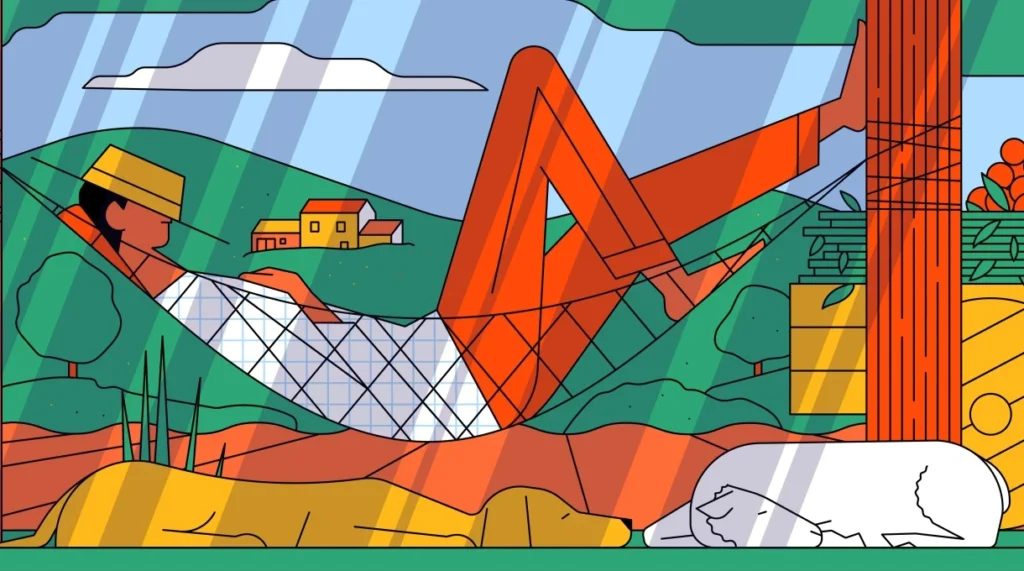
Siesta is often described as a tradition that completely stops daily life in Spain, but the reality changes depending on the location. In large cities, modern working hours and continuous business schedules have made the practice less visible. However, in smaller cities such as Cuenca, the rhythm of the day still reflects this tradition, with some local shops closing for a few hours around midday and the overall pace becoming calmer.
A Slower Pace Rather Than a Full Stop
Even in places where siesta still exists, life does not fully stop. Cafés, bars, and many restaurants usually remain open, and people continue meeting for long lunches or coffee breaks. Rather than empty streets, the city shifts into a slower and more relaxed atmosphere, showing that siesta is more about changing the tempo of the day than pausing it completely.
Adapting as an Erasmus Student
For Erasmus students living in cities like Cuenca, this becomes one of the first cultural differences to notice. Daily routines often need to be adjusted around opening hours, and understanding when to shop or plan activities becomes part of adapting to local life. At the same time, social life continues throughout the day, and evenings become especially lively as people go out later than many international students expect.
Late Dinners and Nightlife Culture
Another striking part of this daily rhythm is dinner time, which often happens around 10 p.m. or even later. The later meals are connected to the slower midday schedule and the longer evenings, creating a lifestyle where social activities extend well into the night. Together, siesta and late dinners reflect a different understanding of time in Spain, balancing rest, social interaction, and everyday routines in a way that feels unique to many visitors and Erasmus students.
