
Is Traveling for Sport Different From Normal Travel? A Football Supporter’s 15 Year Journey to the Same City Says Yes
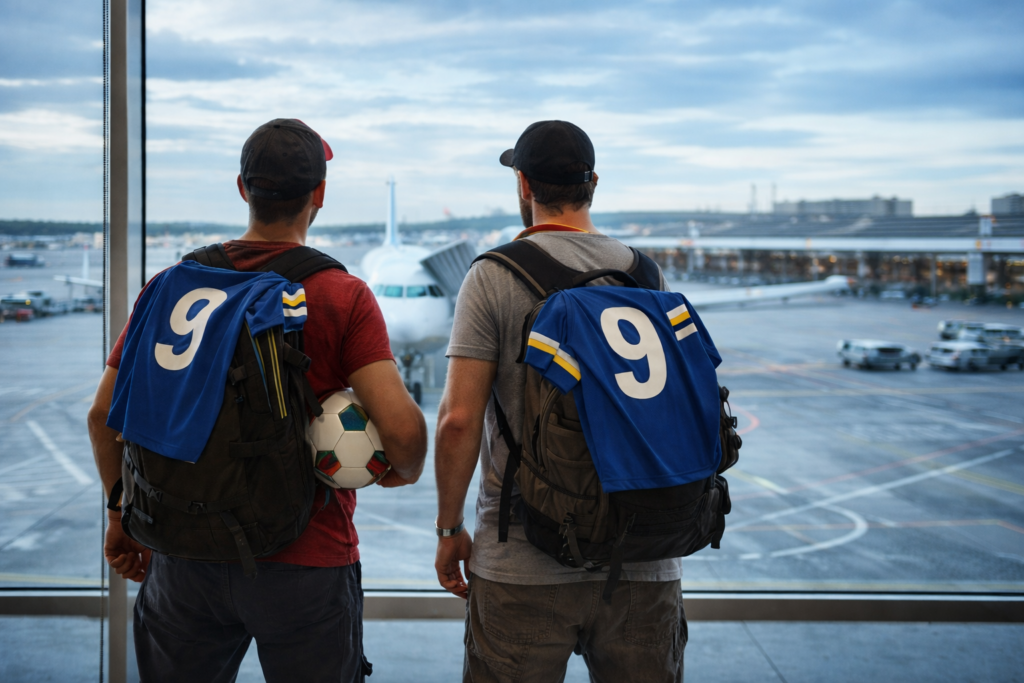
From the Champions League in 2008 to the Europa League in 2023, one traveler’s experience in Seville reveals how sports tourism transforms the meaning of travel
Travel is usually associated with relaxation, sightseeing, and cultural exploration. However, when travel is motivated by sport, the experience often changes dramatically. Instead of museums and leisure, schedules revolve around match times, emotions are intensified by competition, and strangers quickly become part of a shared community. This distinction between sports travel and normal tourism is becoming increasingly visible as more fans cross borders to follow their teams.
The difference can be clearly seen through the experience of a Turkish Fenerbahçe supporter who traveled to Seville twice over fifteen years, first in 2008 for the UEFA Champions League round of 16 match between Sevilla and Fenerbahçe with a fan group, and again in 2023 for their round of 16 UEFA Europa League match, this time traveling individually. Visiting the same city under two different circumstances offers insight into how traveling for sport differs from ordinary tourism.

»In 2008, It Felt Like the Whole City Was Connected to the Match”
According to the supporter, the first trip was defined by collective energy. Traveling with thousands of other fans created an atmosphere closer to a social movement than a holiday.
What motivated you to travel abroad specifically for a football match?
“Some matches feel historic even before they start. We weren’t just traveling to Spain we were going to support our team in one of the biggest moments of its history. That changes everything about how you experience the trip.”
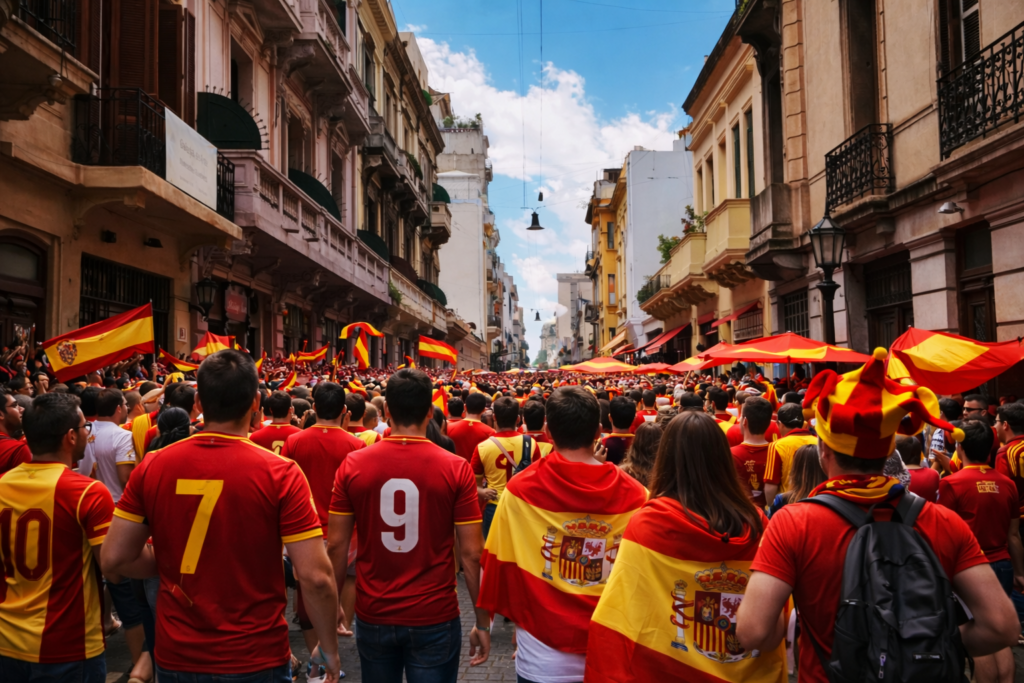
“From the airport to the city center, everywhere you looked, Sevilla fans were wearing their team’s colors. Even though we were the away supporters and fewer in number, the whole city felt connected to the match. You didn’t feel like a tourist. You felt like part of a community moving together.”
Bar and Food Culture and Social Interaction: A Key Difference From Normal Tourism
One of the strongest contrasts between sports travel and regular tourism emerged in social interaction. While traditional travelers often remain within their own social circles, sports travelers frequently interact with strangers through shared identity.
What role did local bar culture play in your experience?
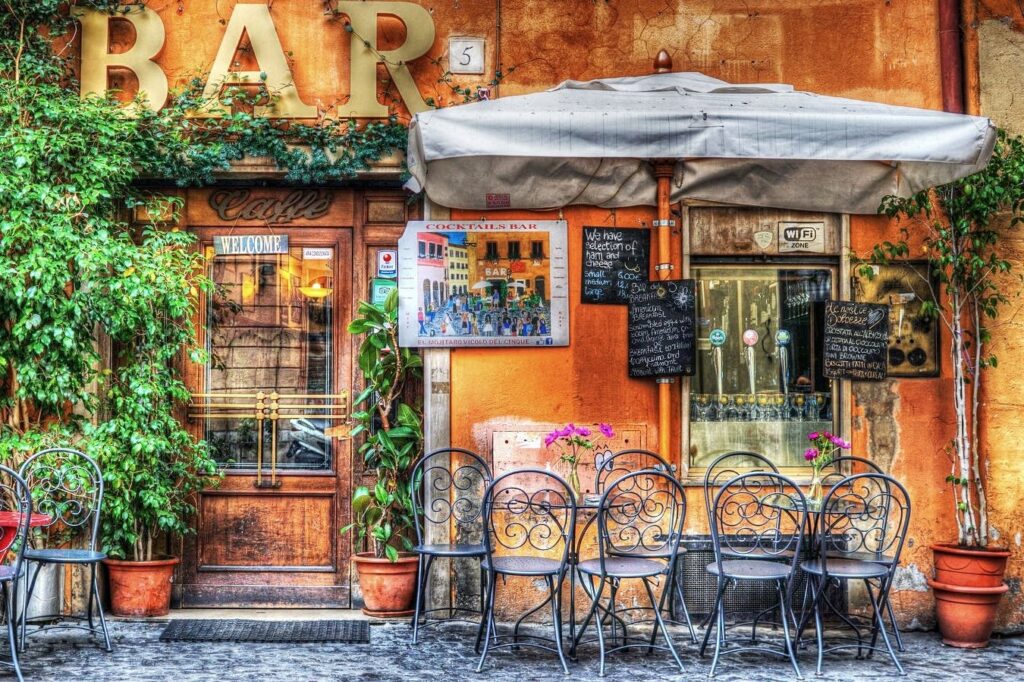
“Before the match, bars were full of supporters from both teams. You start conversations with strangers very easily because football gives you something in common immediately. But what impressed me even more was the Spanish tapas culture and the hospitality of the Andalusian people. In both of my visits, locals were incredibly warm and welcoming. Sharing small plates of food, standing together at crowded counters, and talking with people you had just met created a feeling of connection that went far beyond football. It wasn’t just about drinking , it was about sharing moments, stories, and energy before the game.”
This interaction created a cultural exchange that went beyond typical tourism experiences. The openness of the Andalusian people and the social nature of tapas culture made it easy to feel included, even as a foreign supporter. Sport acted as a universal language connecting people from different countries, but the local hospitality made the experience unforgettable.
Returning 15 Years Later: More Freedom, Same Emotion
Traveling alone in 2023 allowed a different rhythm. Without a large group schedule, he had more time to explore Seville’s historical streets, architecture, and daily life.
How was traveling individually different from traveling with a fan group?
“I had more freedom to see the city, but emotionally the experience before the match was exactly the same. Even when you travel alone, you’re not really alone. When you see someone wearing your team’s jersey in another country, you immediately connect.”
This highlights a unique characteristic of sports travel: identity travels with the supporter, creating instant social bonds regardless of location.
Representing More Than Yourself
Another difference from normal tourism is the sense of representation. Traveling internationally as a supporter often creates awareness of national and cultural identity.
As a Turkish supporter abroad, did you feel a sense of responsibility?
“Yes. You feel like you represent your club and indirectly your country. That creates pride, but also responsibility. You become more aware of your behavior.”
Emotional Investment and Sacrifice
Sports travel frequently involves sacrifices that ordinary tourism does not short trips, fatigue, financial cost, and emotional stress linked to match results.
Is sports travel stressful or enjoyable?
“A little stressful, because you’re traveling abroad to support your team and you’re very passionate you want them to win. But at the same time, you’re on the other side of the world experiencing a new culture, and even in the away stands you meet so many Turkish supporters from different countries. That combination of pressure and excitement makes it unique.”
Despite these challenges, supporters often describe sports-motivated journeys as more memorable than traditional vacations.
“You remember the anticipation, the people you met, the atmosphere in the city. The match is only 90 minutes, but the experience stays with you for years.”
More Than Tourism
Experts describe sports tourism as one of the fastest-growing sectors of global travel precisely because it combines movement with emotional engagement. Unlike conventional tourism, which focuses on comfort and discovery, sports travel emphasizes belonging, identity, and shared experience.
After visiting the same city twice for the same purpose across fifteen years, the supporter summarized the difference clearly:
“In normal travel, you remember the places. In sports travel, you remember the moments you experienced for the team you’re passionate about that stayed with you forever in the other side of the world.”
