
From Cash to Contactless: How Technology Is Changing Payments
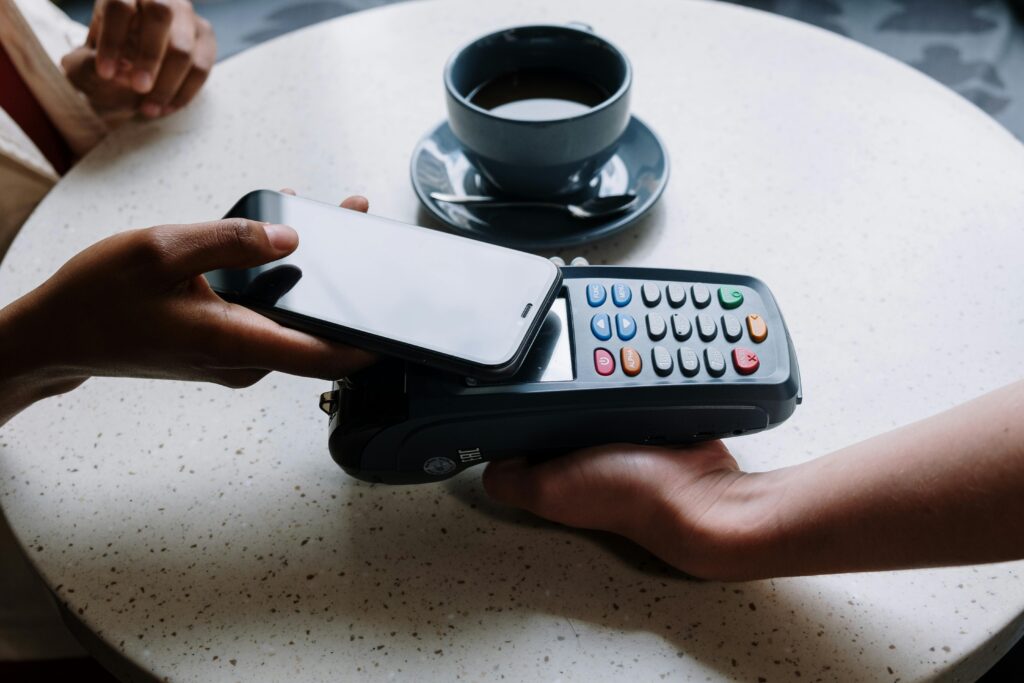
For centuries, cash was the primary method people used to pay for goods and services. However, in the last decade, digital technology has significantly transformed the way transactions are made. Today, millions of people around the world pay for everyday purchases using contactless cards, mobile wallets, and digital banking applications.
This shift toward digital payments reflects a broader transformation in modern economies. As smartphones become more powerful and internet access expands globally, consumers are increasingly choosing faster and more convenient payment methods.
The Rise of Contactless Payments
One of the most significant changes in recent years has been the rapid adoption of contactless payment technology. This system allows users to complete transactions simply by tapping a credit card, smartphone, or smartwatch on a payment terminal. The technology behind this process is known as Near Field Communication (NFC).
According to the payment company Visa, contactless payments have grown dramatically since the COVID-19 pandemic, as consumers and businesses looked for faster and more hygienic payment methods. More information about how contactless payments work can be found on Visa’s official website.
In many countries, contactless transactions are now accepted in supermarkets, public transport systems, and restaurants. As a result, digital payments are becoming part of everyday life.
Mobile Wallets and Digital Banking
In addition to contactless cards, mobile wallets have become an important part of the modern payment ecosystem. Applications such as Apple Pay, Google Pay, and Samsung Pay allow users to store their debit and credit cards directly on their smartphones.
These platforms allow people to pay in stores, online, or even on public transportation systems without using physical cards. For example, Apple explains how its mobile payment system works through tokenization and biometric security on its official page: https://www.apple.com/apple-pay/
Furthermore, digital banking applications also help users track spending and manage personal finances. Many banking apps automatically categorize purchases and display monthly spending summaries. As a result, users gain better control over their financial habits.
Security and Digital Trust
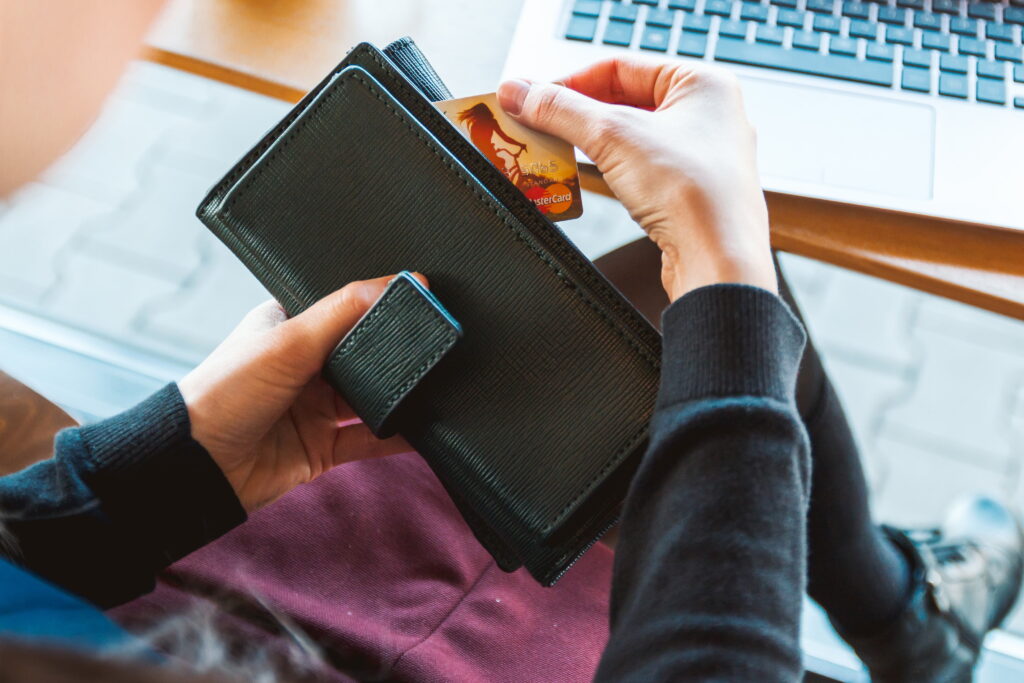
Although digital payments offer convenience and speed, they also raise concerns about cybersecurity and financial fraud. However, technology companies and financial institutions have invested heavily in security systems to protect users.
Many mobile payment platforms now require biometric verification such as fingerprint scanning or facial recognition before completing a transaction. According to the European Central Bank, these security layers significantly reduce the risk of unauthorized payments .
Nevertheless, cybersecurity experts continue to warn that digital payment systems must evolve constantly to prevent new types of financial crime.
The Future of Money
Despite the rapid expansion of digital payments, cash has not completely disappeared. Some consumers still prefer cash for small purchases, budgeting, or privacy reasons. In addition, certain communities around the world continue to rely on physical currency due to limited access to digital banking services.
However, experts believe that the long-term trend is clear. As financial technology continues to develop, societies are gradually moving toward a hybrid payment system that combines traditional money with advanced digital solutions.
In the future, emerging technologies such as biometric payments, digital currencies, and artificial intelligence could further reshape the global payment landscape. What is certain is that technology will continue to influence how people exchange money in everyday life.
