
Faith, Culture, and Pilgrimage: Religious Travel in Europe

Religious pilgrimage has long been an important tradition connecting faith, culture, and travel. Across Europe, millions of believers visit sacred places each year, not only for spiritual reasons but also to experience the cultural heritage of these locations. One of the many things that connect Spain, Turkey and Poland is that they host important pilgrimage destinations that attract visitors from around the world every year.
Santiago de Compostela – the final stop of the Camino de Santiago
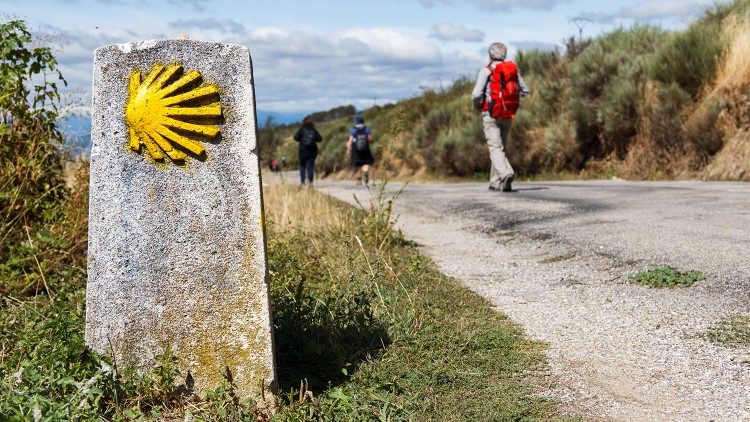
One of the most famous pilgrimage sites in Europe is Santiago de Compostela in Spain. Every year thousands of pilgrims walk the historic route which is called the Camino de Santiago to reach the cathedral believed to house the remains of Saint James.
The journey itself is considered just as meaningful as the destination, symbolizing reflection, personal growth, and spiritual renewal. Today the route attracts both religious pilgrims and cultural travelers interested in history and tradition.
Jasna Góra – the pilgrimage center in Poland
Poland is also home to one of the most important Catholic pilgrimage sites in Europe, the monastery of Jasna Góra in the city of Częstochowa. The sanctuary is famous for the icon of the Black Madonna, which holds deep spiritual and national significance for many Poles.
Each year thousands of pilgrims travel there, often walking long distances as a sign of devotion. These pilgrimages are closely connected to Polish culture and national identity.
Konya – the religious place in Turkey
Meanwhile, Turkey offers a different but equally important religious landscape shaped by several faith traditions. Cities such as Konya attract visitors interested in Islamic spirituality and the heritage of the Sufi mystic Jalal ad-Din Rumi.
Pilgrimage and religious tourism in Turkey often combine spiritual experience with cultural exploration of historical mosques, shrines, and ancient sites. Together, these examples show that pilgrimage is not only a religious practice but also a powerful expression of cultural identity and shared human traditions.
