
Do Smartphones Reduce Attention Span?
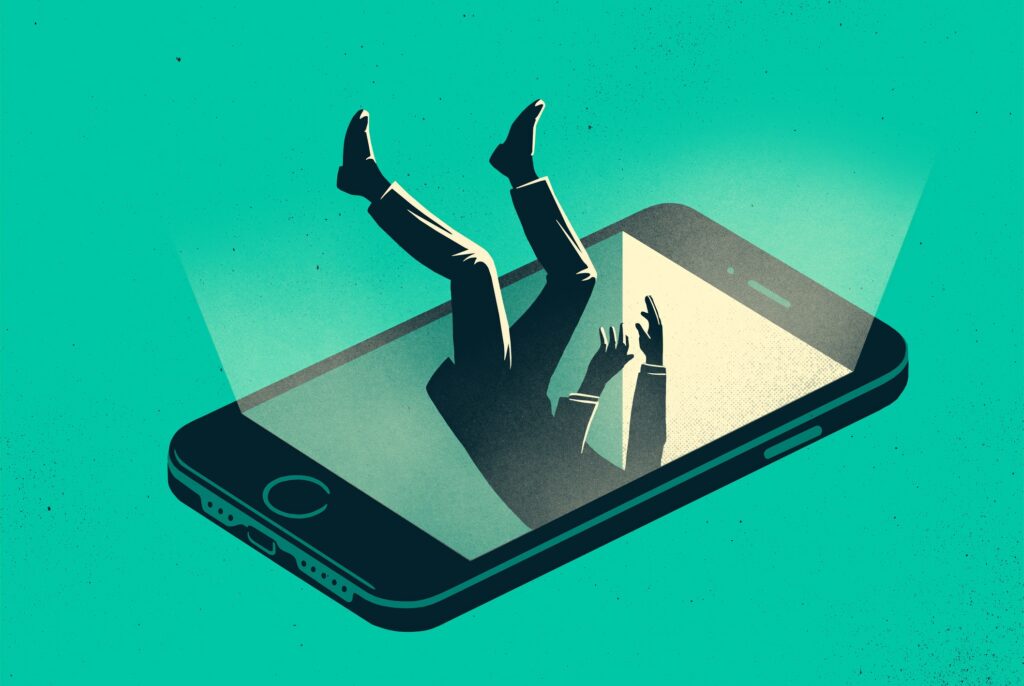
Smartphones did not invent distraction, but they industrialized it. In just over a decade, the device in pocket has become a map, a camera, a newsroom, and a social arena. It is also, increasingly, a machine for interruption. The question remains: do smartphones actually reduce attention span, or do they simply reveal how fragile it has always been?
What society call attention span is actually a bundle of skills, the ability to focus deeply, to ignore irrelevant stimuli, and to tolerate boredom. Smartphones touch all of these. Not only because they offer endless content, but because they offer it in a form designed for rapid sampling, notifications, short videos, and infinite scroll. This shift is part of a broader digital transformation that is reshaping how people interact with information nowadays.
Fragmentation, Not Just Shrinking
Research from organizations the American Psychological Association suggests that attention is not necessarily shrinking equally, but is fragmenting. A constant stream of cues badges, vibrations, banners trains the mind to expect novelty and to react quickly. Over time, the default mode becomes scanning rather than staying. This does not mean people can no longer concentrate, but it suggests that modern focus is more situational, strong in controlled environments, but weaker when a phone is nearby.
The Cost of Interruption
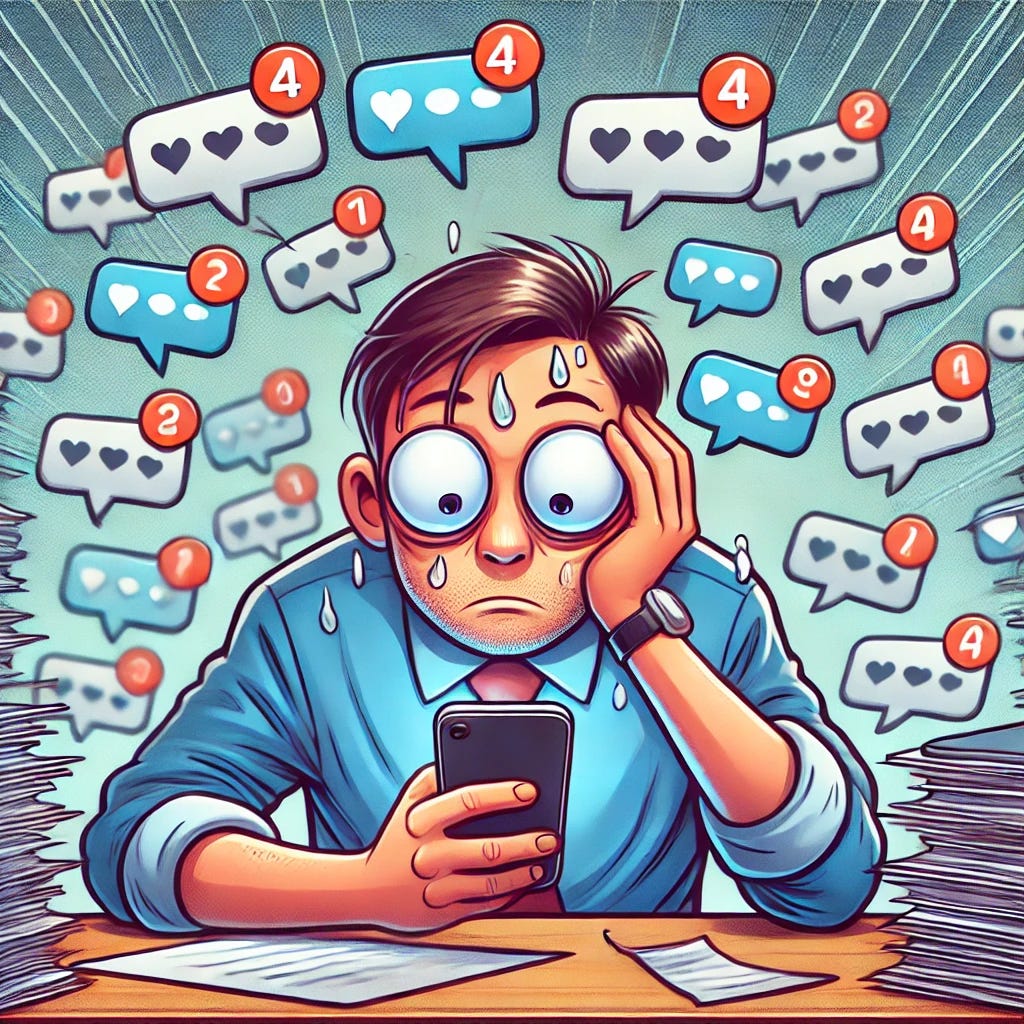
The real culprit may be task switching. A notification is not neutral, it is a demand that human brain re-orient. Even if people do not open it, community have been pulled out of their current task. Multiply that by dozens of times a day, and society get a lifestyle built around micro-interruptions. This is a stark contrast to the deep focus required for sustainable innovation and complex problem-solving.
Reclaiming Focus
The good news is that attention is trainable. Reclaiming it often starts with small, structural changes, disabling non-essential notifications, keeping the phone out of reach during deep work, or creating phone-free spaces at home. These constraints restore the one crucial condition for focus, silence not just around us, but inside the mind.
The Future of Focus
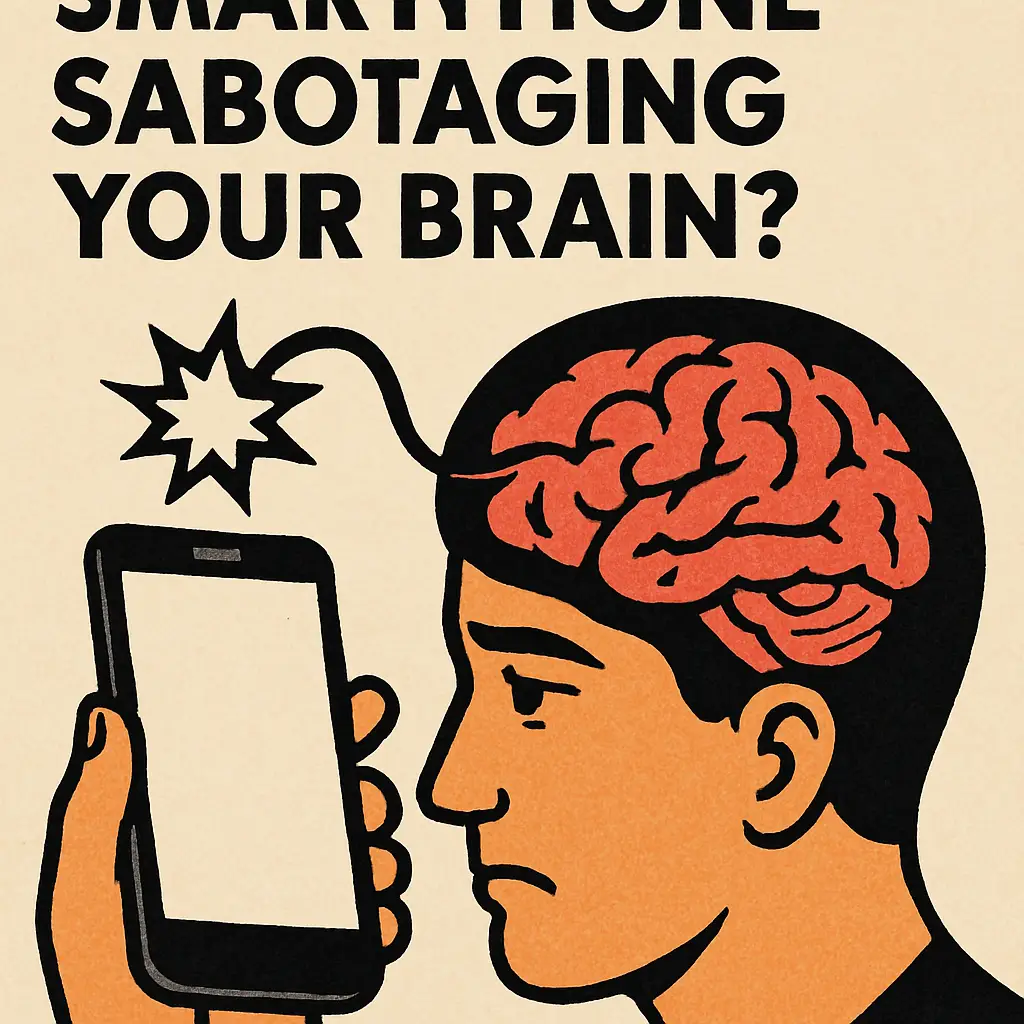
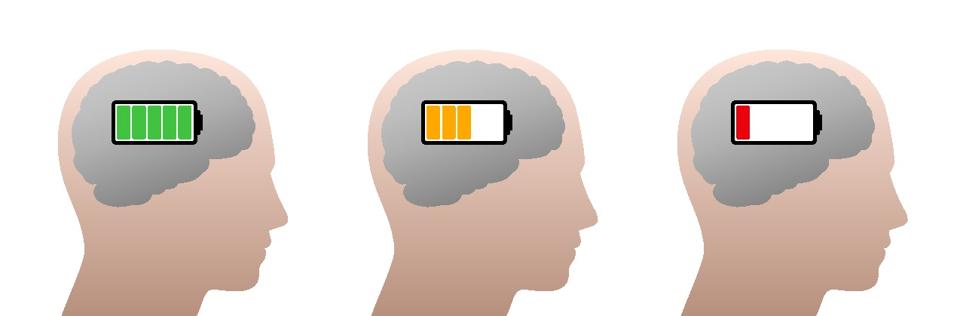
Ultimately, this is not about blaming phones, it is about noticing what they do daily. If people attention feels shorter, means the way apps are built makes quick switching feel “normal”. The fix does not have to be dramatic, fewer notifications, clearer no-phone moments, and a bit more friction.
