
Crossing Borders for Care: The Rise of Medical Tourism in Europe

From affordable cosmetic surgery in Turkey to high-quality recovery treatments in Spain and evolving healthcare travel patterns in Poland, medical tourism is reshaping how patients access healthcare across Europe.
The Global Growth of Medical Tourism
Traveling abroad for medical treatment, often called medical tourism, has become increasingly common in recent years. As healthcare costs rise and waiting lists grow longer in many countries, more patients are looking beyond their borders to find faster, cheaper, or more specialized care.
The development of international travel and the easy availability of information online have strengthened this trend. Today, patients can compare clinics, prices, and treatment options across different countries with only a few clicks. As a result, millions of people every year choose to travel abroad for procedures ranging from dental treatments to complex surgeries.
Within Europe and nearby regions, Turkey, Spain, and Poland have become important destinations in this expanding healthcare market. Although they belong to the same industry, each country attracts patients for different reasons, including price, quality of care, and specialized treatments.
Why Patients Travel Abroad for Treatment
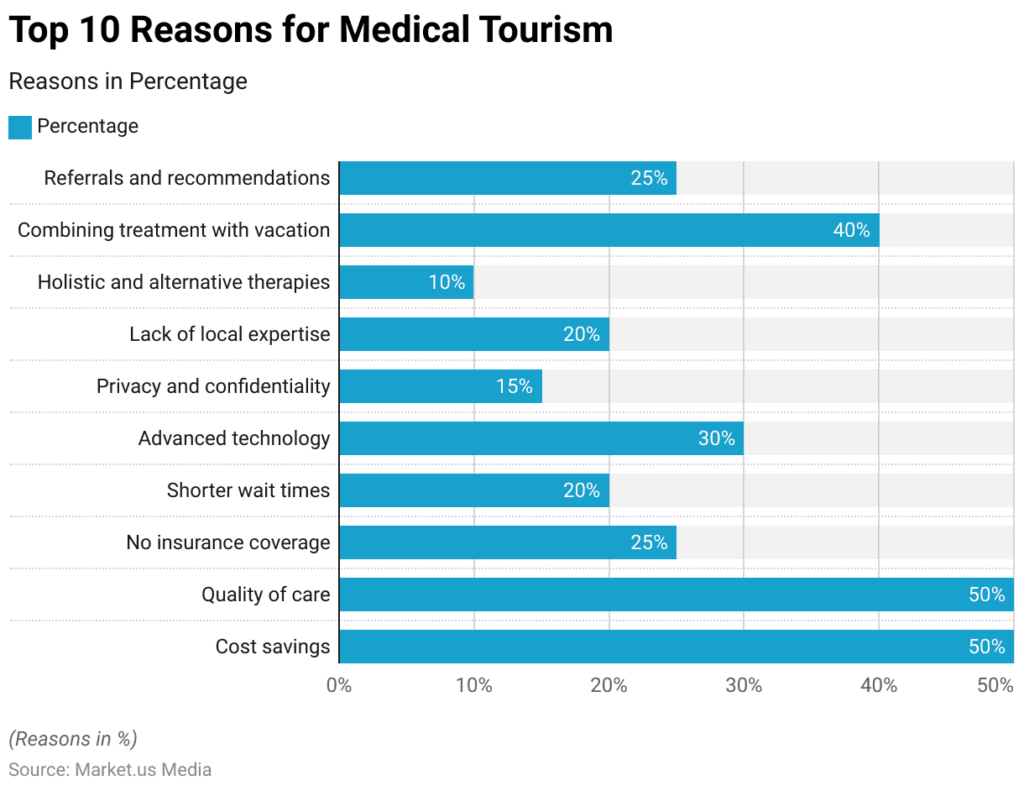
Experts explain that medical tourism is driven by a combination of economic, medical, and legal factors. For many patients, the most obvious reason is financial. Receiving treatment abroad can often cost significantly less while maintaining a similar or sometimes even higher standard of care. For people facing expensive procedures or limited insurance coverage, traveling abroad may become the most realistic option.
Another important factor is access to healthcare. In some countries, patients must wait months or even years for certain surgeries or specialist appointments. For those dealing with pain or serious health conditions, traveling abroad can provide a much faster solution.
Legal restrictions also play a role in medical travel. Procedures such as abortion or IVF are not fully legalized in some countries, leading patients to travel to places where those treatments are permitted. Similarly, some individuals seek innovative treatments or experimental therapies that are available only in specialized clinics abroad.
Medical travel has also become easier thanks to organized treatment packages. Many clinics now offer fixed-price services that include consultation, surgery, accommodation, and post-operative care. In Europe, the EU Cross-Border Healthcare Directive has further supported this trend by allowing EU citizens to receive treatment in another member state and request reimbursement if the service is covered by their national health insurance.
Turkey: A Global Hub for Cosmetic and Specialized Treatments
Turkey has established itself as one of the most prominent destinations in the global medical tourism industry. Over the past decade, cities such as Istanbul have become internationally known for attracting patients seeking affordable medical procedures.
The country is especially famous for hair transplants, cosmetic surgery, dental treatments, and eye surgery. In particular, hair transplantation clinics in Istanbul have gained worldwide recognition, with thousands of international patients visiting every year.
For example, many clinics offer comprehensive packages that include airport transfers, hotel accommodation, and post-operative follow-up care. One of the main reasons behind Turkey’s popularity is price. Medical procedures can often cost a fraction of what patients would pay in Western Europe or North America.
At the same time, many hospitals are internationally accredited and equipped with modern medical technology, which helps maintain confidence among international patients. Government policies have also supported this growth through international promotion and investment in healthcare infrastructure.
Spain: Healthcare Quality and Recovery Tourism
Spain represents a slightly different model within the medical tourism sector. Rather than focusing primarily on low-cost treatments, the country attracts international patients through its reputation for high-quality healthcare and modern hospital systems.
Spanish healthcare professionals are widely respected, and the country has invested heavily in advanced medical technology. Private clinics play a particularly important role in attracting international patients by offering specialized services, multilingual staff, and treatment programs designed for foreign visitors.
In addition, another factor that draws patients to Spain is the opportunity to combine treatment with recovery in a comfortable environment. Spain’s mild climate, coastal destinations, and developed tourism infrastructure have contributed to the rise of recovery tourism. Patients can undergo medical procedures and then spend time recovering in relaxing surroundings.
However, the country is particularly known for fertility treatments, orthopedic procedures, rehabilitation programs, and advanced diagnostics, making it attractive for European patients who prioritize both quality of care and comfort during recovery.
Poland: Affordable Medical Care in Central Europe
Furthermore, poland has also developed a strong position in the European medical tourism market. Many patients travel there because procedures are often significantly cheaper than in Western Europe while still maintaining high professional standards.
Dental care is one of the most common reasons patients visit Poland. Dental implants, cosmetic dentistry, and complex dental procedures can cost far less than in countries such as Germany, the United Kingdom, or Scandinavia.
The country’s central location and growing network of low-cost flights have also made it easier for patients from across Europe to travel for treatment.
The Evolution of Medical Travel in Poland
The medical tourism sector in Poland has changed significantly over the past two decades. While Poland was once the primary destination for Western Europeans seeking much cheaper procedures, the landscape is gradually shifting.
Historically, many Poles living abroad returned to their native country specifically for high-quality and accessible treatments, particularly in the field of dental tourism. However, as Poland’s economy has grown and local healthcare services have become more expensive, some patients have started looking for even more competitive alternatives abroad.
Turkey has emerged as a dominant destination for procedures such as hair transplants and aesthetic surgery, while countries like Egypt are becoming increasingly popular for lower-cost treatments.
Regional travel remains a key element of this market. Many patients travel to nearby countries such as Germany, Lithuania, or the Czech Republic due to cultural similarities and ease of transport. For specialized procedures such as organ transplants, patients often look to highly advanced healthcare systems like those in the Netherlands.
To meet this demand, specialized agencies such as Meditravel have emerged. These organizations connect patients with qualified specialists while also providing travel planning, language support, and post-operative care.
A Growing Global Healthcare Industry
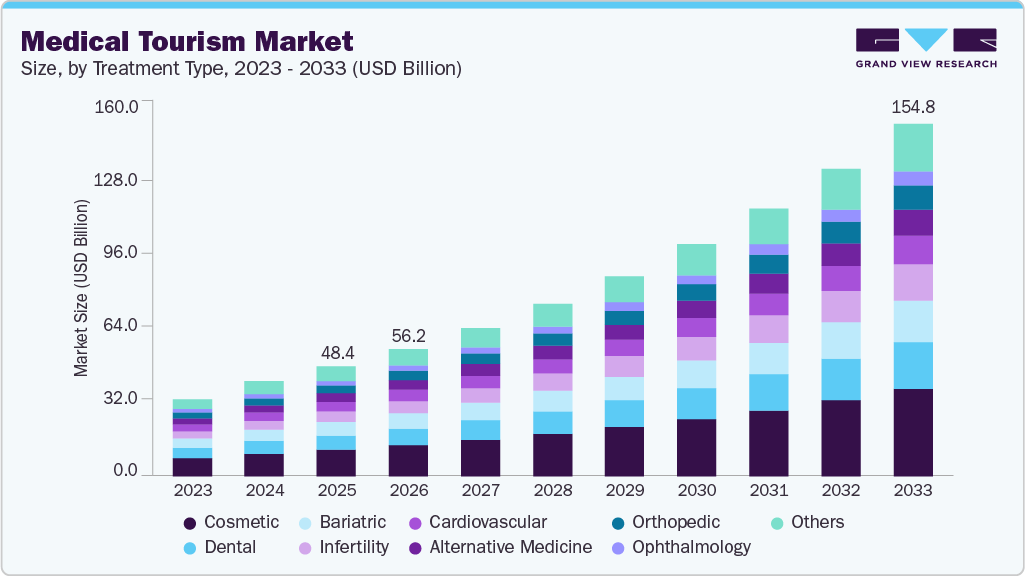
Medical tourism continues to expand as patients search for better healthcare options beyond their national borders.
Turkey has built a strong reputation for affordable cosmetic and elective procedures, Spain attracts patients through high-quality healthcare and recovery tourism, and Poland remains an important destination for dental and specialized treatments in Europe.
As healthcare mobility continues to increase, medical tourism is expected to remain an important part of both the healthcare and tourism industries in the years ahead.
According to the European Commission, cross-border healthcare is increasingly important in the EU.
